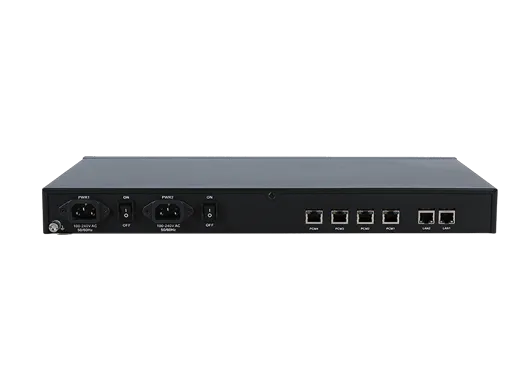
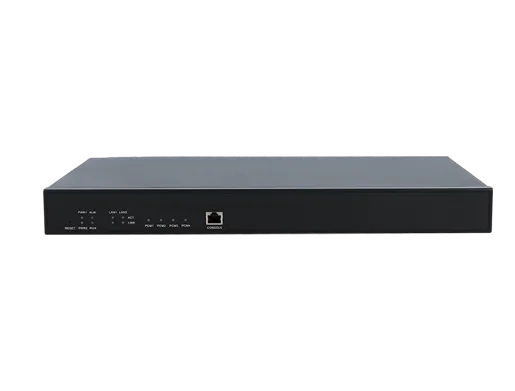

貝克Becke IPGA-2E1中繼閘道器,專為專業語音環境中需要穩定2E1數位中繼連接的機構設計。它適用於整合傳統電信接入與SIP架構通訊,協助企業建構更彈性、可擴展且易於管理的語音架構,用於IP PBX互聯、高話務量運作與多據點部署。對於需在邁向現代IP通訊的同時,保留既有E1資源價值的企業,IPGA-2E1可做為傳統基礎設施與當前SIP平台之間,實務且易部署的橋接設備。
多數企業專案中,通訊系統不會一次性完成升級。數位中繼、電信端E1接入、內部PBX資源與新型SIP系統,在擴容或現代化過程中往往需並行運作。IPGA-2E1正是針對此類環境打造,可協助企業簡化互聯、提升路由彈性,並建構更統一的語音網路,無須全面替換既有電信資產。
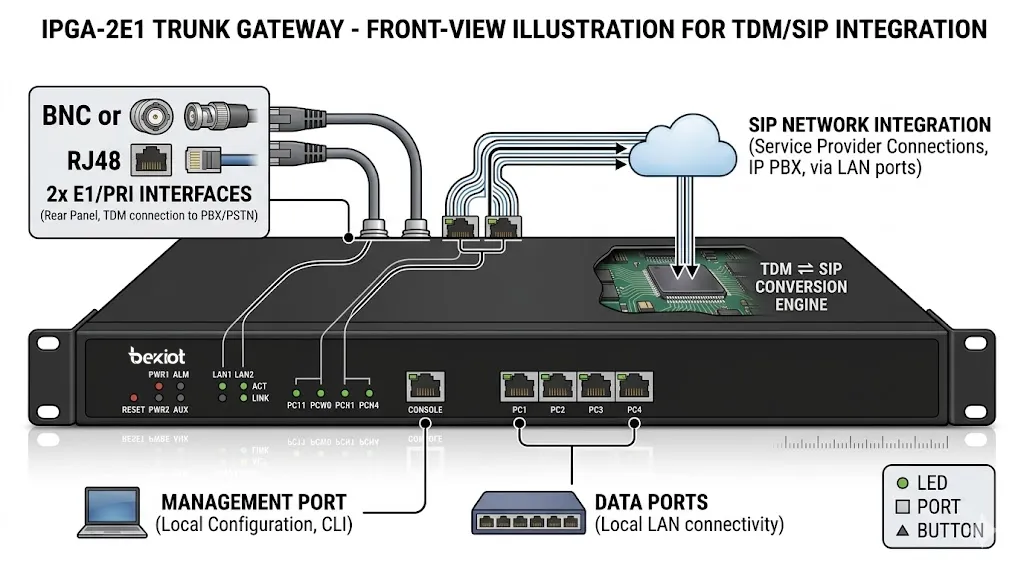
IPGA-2E1針對需要高於入門級數位中繼容量的商務環境定位,搭載2E1接入規格,適合需要更穩定中繼頻寬的組織,滿足日常通訊、客服流程、部門協作與企業語音系統擴展需求。這一容量優勢,讓它更適用於穩定併發通話、可靠中繼利用率對營運連續性至關重要的場景。
相較於低容量閘道方案,2E1平台具備更強的擴展空間,可更好地支撐高通訊量環境。無論是分點擴建、大型辦公室語音系統或服務類話務場景,IPGA-2E1都能為專業部署提供更堅實的基礎。
本閘道器可做為既有數位中繼資源與現代SIP通訊平台之間的穩定橋樑,協助企業在保留高價值語音基礎設施的同時,導入集中管控、彈性路由策略與更簡便的IP系統整合。它無需強制執行具干擾性的一次性移轉,而是提供更可控、更具成本效益的轉換路徑。
對多數機構而言,語音現代化不只是硬體替換,更包含提升管理性、支援未來擴容,以及讓傳統接入方式對接全新企業通訊策略。IPGA-2E1透過建構傳統電信接入與SIP環境之間的可靠互通層,實現這一目標。
IPGA-2E1採用機架式結構、嵌入式作業系統與穩定運行導向的硬體平台,適合需要專業中繼閘道器以持續商務運作的客戶,而非僅作簡單連接設備。其產品定位明確面向企業與系統整合商專案,重視部署穩定性與長期服務價值。
因此它適用於機房、通訊機櫃與規範化企業IT環境,這類場景對穩定運行與標準化安裝有明確要求。對於建構長期語音平台的客戶,本閘道器相較基礎轉換設備,具備更專業的部署屬性。
2E1中繼閘道器的優勢不僅在於容量,更在於能否有效支撐企業穩定互聯、路由彈性與語音系統長期演進。
IPGA-2E1支援傳統中繼網路與IP平台之間的通話路由,企業可依自身營運架構分配話務。同時支援號碼轉換,包含位元刪除、前綴與後綴添加,可更高效對接企業編號規劃、分點撥號規則與電信商要求。
這在需協調多據點、內部分機規劃或混合進出線話務策略的專案中尤為實用。透過自適應號碼處理與路由匹配,閘道器可降低整合阻力,提升不同商務場景下的部署彈性。
本閘道器支援基於RFC3261之SIP V1.0與V2.0,同時兼容SS7相關信令、ISDN用戶端/網路端模式、SS1信令等數位中繼信令選項,讓傳統電信系統與現代SIP平台可無多餘複雜度地協同運作,簡化部署。
實務場景中,相容性是閘道選型的核心因素。企業與系統整合商通常需要產品可適配不同網路條件、電信環境與PBX架構。IPGA-2E1透過更廣泛的互通基礎,降低部署與後續擴容的相容風險。
平台支援主流多種編解碼器,包含G.711A、G.711U、G.729、G.722、G.723、iLBC、AMR-NB、SILK、OPUS,同時支援多種DTMF處理方式與回音消除,提升不同語音系統間的媒體相容性與通話品質。這在SIP設備、PBX平台與電信網路媒體參數不一致的專案中尤為重要。
透過寬廣的編解碼支援與實用媒體處理功能,IPGA-2E1更適用於異構語音環境,協助企業在內部系統、電信端互聯與分散式企業網路中,維持更一致的通訊品質。
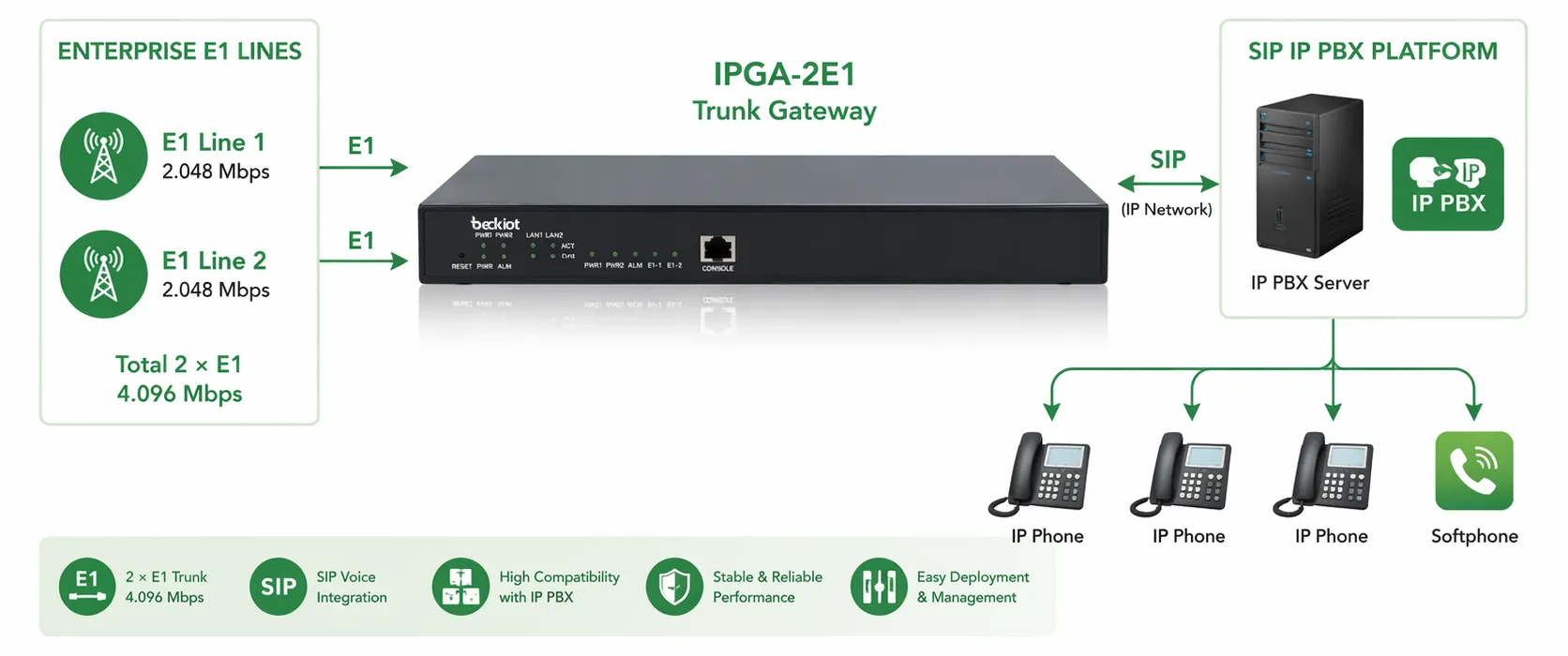
IPGA-2E1支援透過瀏覽器介面進行網頁式設定與軟體升級,讓偏好簡易管理工具的整合商、服務團隊與企業IT部門,提升部署與維護效率。瀏覽器操作模式可降低設定複雜度,縮短日常調整與服務變更的作業時間。
對管理多台通訊設備的機構而言,設定便捷性不只是便利性,更直接影響專案效率、維護成本與服務反應速度。IPGA-2E1針對技術團隊設計,簡化整體運作流程。
閘道器內建網頁式Ping與Tracert測試功能,便於在建置與運行中定位網路問題;同時支援Syslog錯誤、警告與資訊訊息紀錄,提升系統狀態可視化與故障排除效率。這些功能在初始部署與長期維護中均具實用價值。
在企業通訊環境中,服務中斷可能影響客戶聯繫、分點協作或內部業務流程,因此診斷可視化尤為重要。IPGA-2E1透過實用網路測試與紀錄功能,協助技術團隊快速定位問題,維持更佳服務連續性。
支援通用網路協定與IP設定功能,讓IPGA-2E1可更自然地融入規範化商務網路,提升其在企業部署中的適用性,滿足預測性運行、既有IT基礎設施簡易整合與集中通訊政策對接的需求。
實務部署中,閘道器不只需完成介面轉換,更需在整體IT與語音生態中順暢運作。IPGA-2E1透過企業通訊專案常需的實用網路相容性,勝任這一角色。
IPGA-2E1適合需要將數位中繼資源接入IP PBX環境的企業,透過連接傳統電信接入與SIP通話控制,建構更統一的語音架構,協助企業保留既有中繼資源,同時提升通訊平台的彈性與管理性。
特別適用於企業希望集中語音服務、標準化通話路由,或強化傳統電信接入與新型SIP系統互聯的專案。
對於進出線話務頻繁的機構,本閘道器具備高負載語音業務所需的中繼容量與路由彈性,適用於客服中心、技術支援櫃檯、聯絡團隊等高通訊量商務環境,這類場景對中繼穩定性有嚴格要求。
此類場景中,電信端與IP PBX端的穩定互通,直接影響服務連續性與通話處理效率,IPGA-2E1可完美對應這類實務營運需求。
在分散式組織中,IPGA-2E1可將數位中繼接入整合至整體企業語音網路,提升各據點一致性,同時支援集中化通話處理、路由政策管控與通訊資源管理。
對於總部與多分支機構的企業,此部署模式可簡化語音架構,支撐更統一的營運模式;也適用於不同據點需在共用IP平台下維持協調通訊能力的專案。
本閘道器也是企業從傳統語音基礎設施升級至SIP通訊的實務選擇,可讓既有E1中繼資源持續發揮價值,同時實現更彈性現代的服務架構,降低移轉壓力,並在轉換過程中保留既有電信投資。
無需一次性替換成熟語音資源,IPGA-2E1支援階段式現代化路徑,對邁向IP通訊的企業而言,是更務實、兼顧成本的策略。
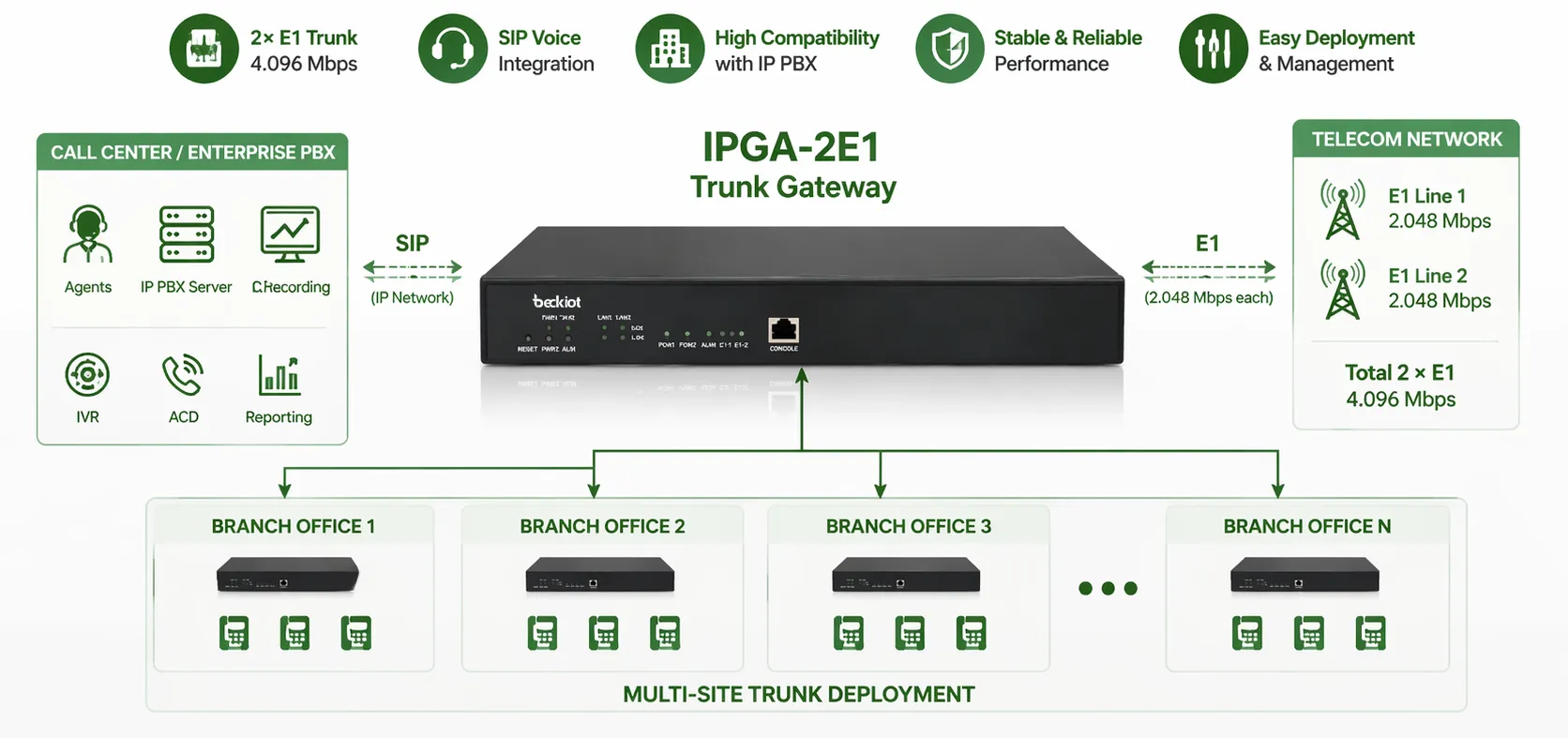
貝克IPGA-2E1將2E1中繼接入、SIP互通、路由彈性、號碼轉換、廣泛編解碼支援與瀏覽器管理整合於單一專業平台。對於需要可靠、可擴展數位中繼閘道器的企業通訊採購方,它在部署價值、運行穩定性與長期整合潛力之間取得實務平衡。
無論目標是將企業E1線路接入IP PBX、擴充服務營運通話容量、支撐分支層級互聯,或現代化傳統電信環境,IPGA-2E1均提供以部署為導向、具明確商業價值的解決方案。它不僅用於網路連接,更協助企業建構更易管理、面向未來的語音基礎設施。
主要功能為連接2E1數位中繼資源與SIP架構通訊平台,讓企業語音互聯更彈性、可擴展且易於管理。
最適用於企業IP PBX部署、客服中心、客服場域、分支通訊專案,以及升級傳統語音網路的機構。
可以。它支援基於RFC3261的SIP V1.0與V2.0,適用於SIP架構IP電話平台與企業語音系統部署。
支援。本閘道器可實現數位中繼網路與IP網路之間的路由,同時提供位元刪除、前綴/後綴添加等號碼轉換功能。
支援SS7相關信令、ISDN用戶端/網路端模式、SS1信令與SIP信令,可在混合網路環境中彈性部署。
是的。支援網頁式管理、瀏覽器軟體升級、Ping/Tracert測試與Syslog輸出,簡化維護、監控與診斷作業。
多編解碼器支援、多種DTMF模式與回音消除功能,可提升不同電信與IP語音系統間的相容性與通話品質。
IPGA-2E1更適合話務需求高、中繼容量要求大、企業語音互聯穩定性需求高的環境,特別是客服中心、企業PBX與多據點部署場景。
| 項目 | 規格 |
|---|---|
| 語音介面 | E1/T1介面,1/2/4/8×RJ45埠 |
| Ethernet介面 | 2×10/100/1000Mbps RJ45埠 (10/100/1000 BASE-TX) |
| 支援協議 | SIP V1.0/2.0 (RFC3261), SS7 (TUP, ISUP), ISDN (使用者側,網路側), SS1 |
| 音訊編解碼器 | G.711A (64 kbps), G.711U (64 kbps), G.729A/B (8 kbps), G.723 (5.3/6.3 kbps), G.722 (64 kbps), AMR-NB (4.75/5.15/5.90/6.70/7.40/7.95/10.20/12.20 kbps), iLBC (13.3/15.2 kbps), SILK (16K/8K, 20 kbps), OPUS (16K/8K, 20 kbps) |
| 防雷等級 | 4級 |
| 產品尺寸 | 440×44×267 mm (L×H×D) |
| 工作溫度 | 0°C ~ 40°C |
| 儲存溫度 | -20°C ~ 85°C |
| 工作濕度 | 8% ~ 90% 無凝結 |
| 儲存濕度 | 8% ~ 90% 無凝結 |
| 串列埠 | 1×RS-232埠 (RJ45),鮑率:115200bps,資料位:8 bit,停止位:1 bit,同位檢查:無,流量控制:無 |
| 電源供應 | 輸入電壓:100~240V AC,最大功耗:≤12W |
| Ethernet功能 | 支援自動協商,支援Auto MDI/MDIX |
| 採樣率 | 8kHz |