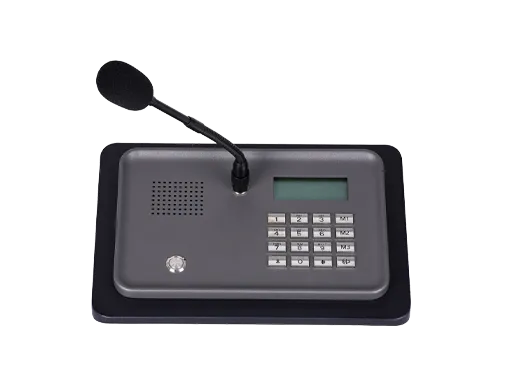
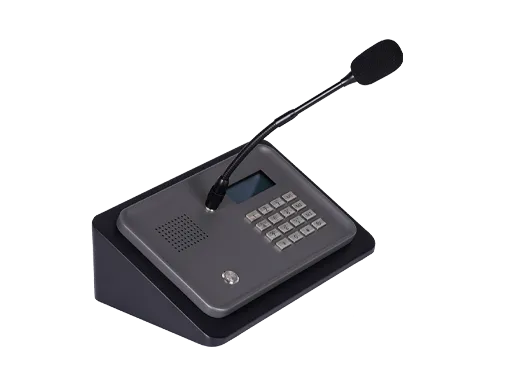
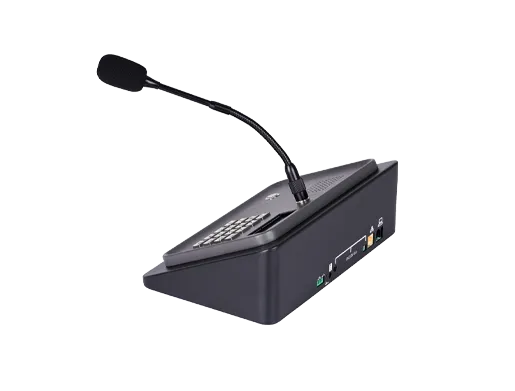

貝克Becke GP100搭載128×48背光單色點陣螢幕,採用桌上型設計,易於安裝在服務與管制崗位。本機專為對講廣播、即時廣播呼叫與快速語音回應所開發,提供操作人員實用的SIP終端設備,不僅日常操作簡便,還能順利融入現代IP通訊系統。
GP100並非複雜的調度控制台,而是聚焦於直接語音操作。它專為需在固定桌面崗位清晰發話、快速觸發廣播、管理例行對講與廣播任務的使用者設計。在學校、工廠、校園、接待中心、警衛室與公共設施中,這類終端通常比龐大的系統介面更實用,因為它讓通訊更即時、更直覺。
GP100系列提供兩種版本,對應不同專案需求。按鍵版搭載按鍵區與128×48背光單色點陣螢幕,適合需要直接輸入號碼、操作功能與可視化狀態交互的操作人員。無按鍵版則省略按鍵與128×48背光單色點陣螢幕,外觀更簡潔,適用於簡易廣播點、精簡操作崗位,或希望語音終端專注核心功能、不額外增加操作元件的專案。
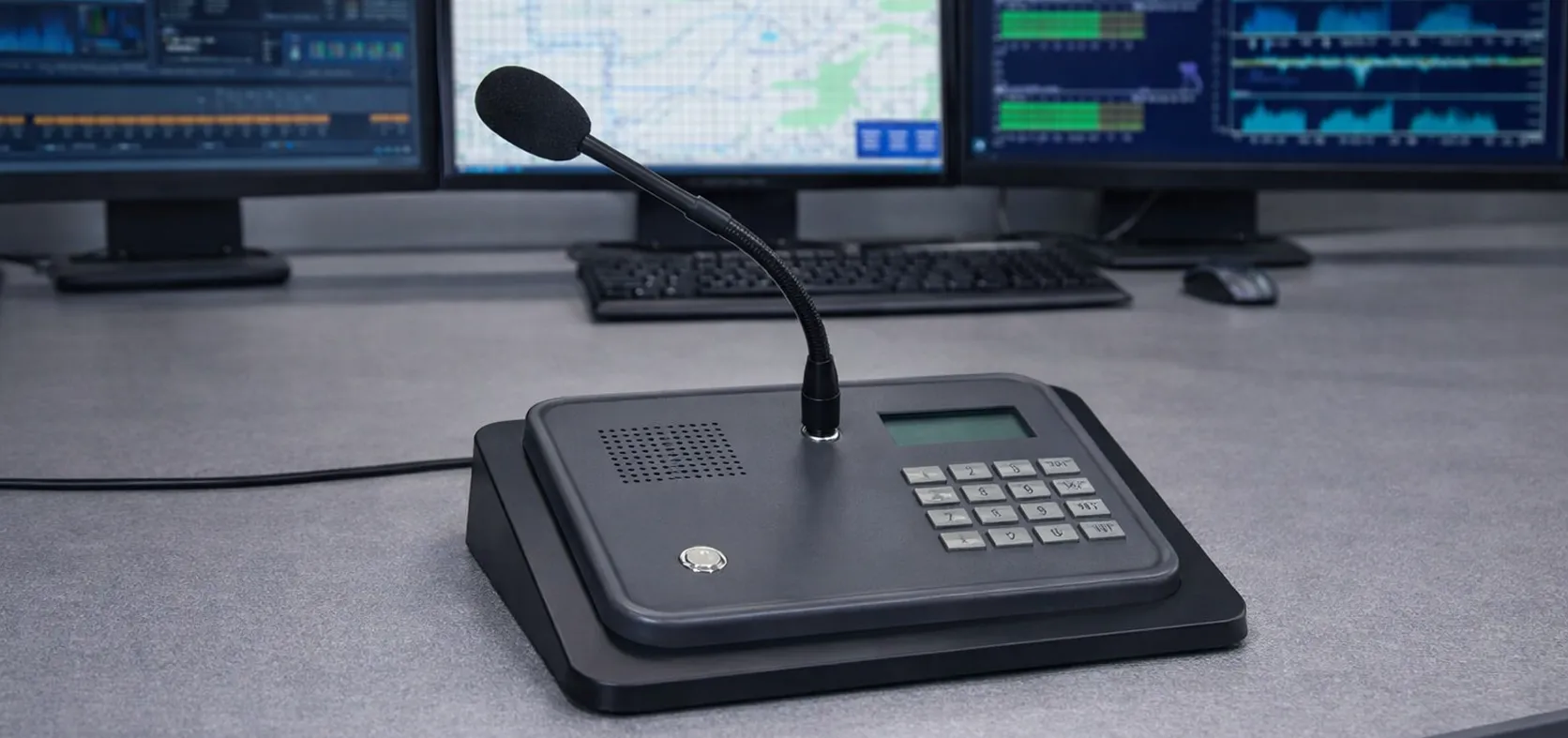
GP100的價值始於對真實工作場景的理解。多數廣播與對講環境中,人員不需要複雜介面,只需拿起麥克風、清晰發話、快速連線目標區域,即可繼續後續工作。GP100便是依此流程設計,桌上型機身易於擺放在前台、值班室、警衛崗、行政辦公室或管制點,操作邏輯也以快速語音動作為核心,而非繁瑣的選單操作。
按鍵版特別適合需要在本機直接控制的場景,支援更互動式的操作模式,用於通話處理、功能觸發與狀態可視化查詢。無按鍵版則適用於以簡單語音觸發與公告播放為主的場域,在維持核心網路通訊能力的同時,降低視覺複雜度。
對廣播麥克風而言,語音清晰度遠比裝飾性功能重要。GP100支援寬頻音訊,提供高品質語音通訊,讓日常指令更清晰易懂。這在對講廣播中尤為關鍵,即使是小幅的清晰度提升,也能大幅改善吵雜或音響條件不佳環境中的訊息理解度。
本機適用於例行公告、內部協調、分區廣播、桌對桌通訊與雙向回話等場景,具備自然收音與穩定音訊表現。同時也適合需在連接的喇叭、SIP終端或網路音訊設備間保持語音清晰的場所。
GP100專為語音操作打造:清晰收音、快速觸發,並在固定操作崗位提供可靠的對講廣播。
GP100的優勢之一,是可同時滿足基礎與結構化專案需求。在小型場域,可作為辦公公告、工廠現場通知或校園廣播的專用麥克風;在大型網路中,則可作為SIP系統的語音終端之一,與IP話機、喇叭、對講主機、閘道器及軟體控制平台協同運作。
這讓GP100對整合商與終端用戶都具吸引力,可從單一專用場景起步,並在通訊系統擴容後持續發揮價值。
GP100旨在支援快速語音流程,避免操作人員執行多餘步驟。日常使用中,可更快存取目標功能、輕鬆處理重複性通訊任務,並在例行或緊急事件中提供更直接的回應。對於接待團隊、警衛人員、行政與營運人員而言,這種簡潔性直接提升工作效率。
按鍵版的優勢更為明顯,可提供更完整的本機操作體驗,適合需經常在終端上管理即時廣播、快速操作與通話交互的使用者,支援更主動的控制模式。相對地,無按鍵版適用於系統設計以簡化操作、最小化本機控制為主的場景,例如固定公告點或標準化服務櫃檯。
GP100不只是具網路功能的桌面麥克風,更是SIP環境中的營運級語音終端。這意味著它能支援的通訊任務,不僅限於對麥克風說話與接收回音。實際部署時,可深度參與廣播邏輯、對講流程、公告排程與關聯語音操作。
其設計特別適用於語音需與外部動作、本地擴音或平台級通訊管理協同的專案。對於希望麥克風終端融入通訊流程、而非作為孤立配件的安裝人員與操作者而言,GP100是理想選擇。
相容性是GP100適用多種環境的原因之一。它可搭配主流SIP平台運作,無需搭建獨立語音架構,即可整合既有IP PBX與軟交換系統,降低整合阻力,也更容易在企業、教育、工業與公共服務專案中導入。
對系統建置商而言,本終端可導入已使用SIP話機、對講設備、網路喇叭或伺服器式通話基礎架構的環境。對終端用戶而言,GP100就像是整體通訊系統的自然一部分,而非需單獨管理的特殊設備。
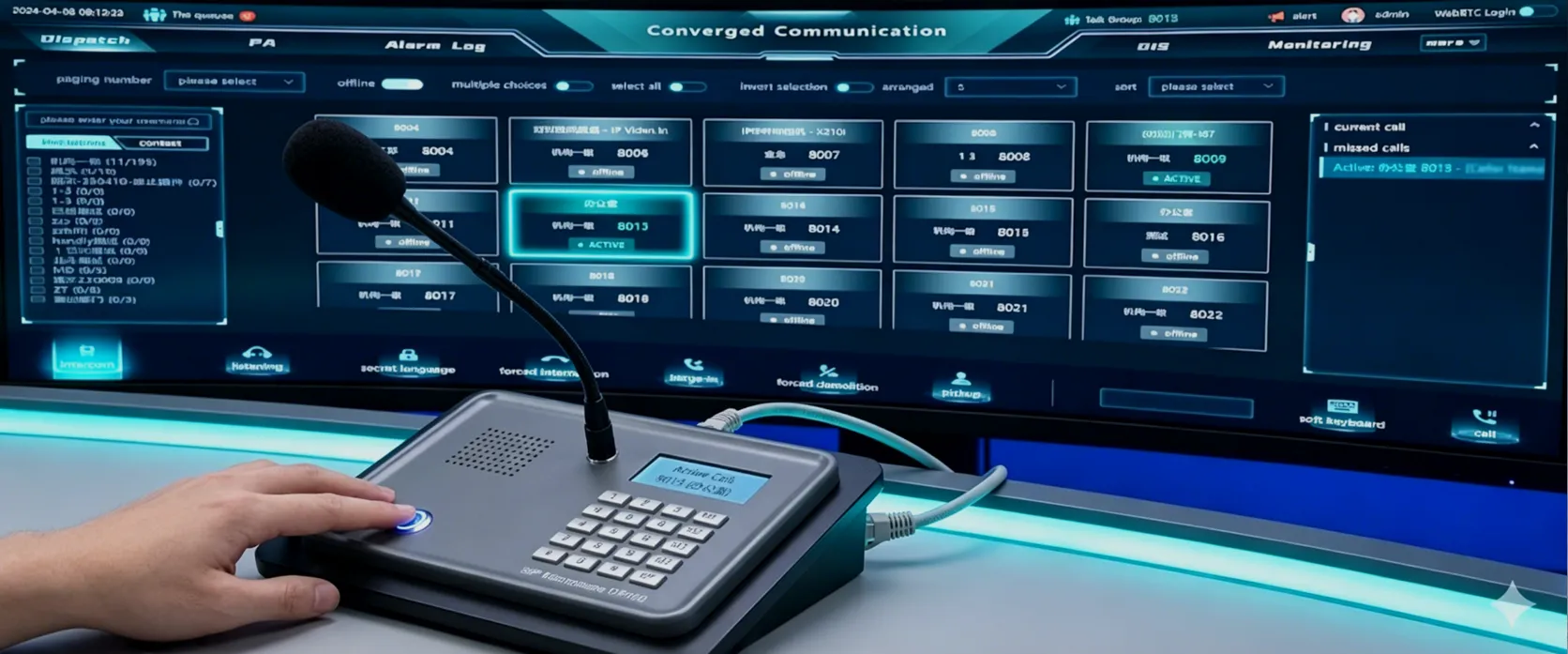
在教育與校園環境中,GP100適用於辦公室、接待櫃檯、警衛崗與廣播室,人員可快速發布即時公告、跨部門溝通或執行例行對講任務。按鍵版適合需要手動操作與可視化回饋的場景,無按鍵版則適用於操作邏輯簡單的標準化廣播點。
由於採用桌上型設計且易於擺放,安裝後不會讓操作區顯得擁擠或過度工程化,這在學校與行政建築中尤為重要,通訊設備需實用、可靠且易於非技術人員操作。
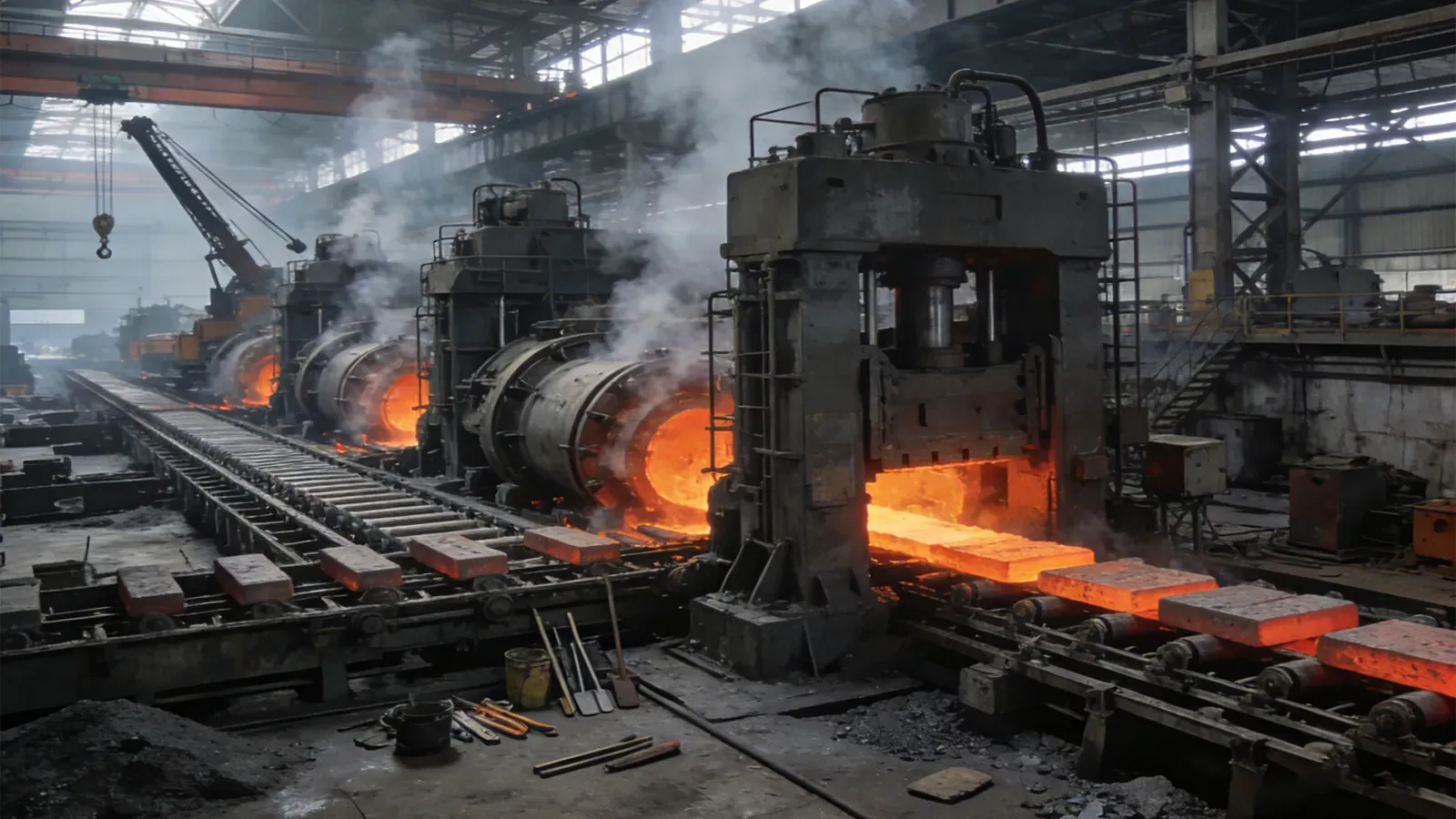
工業與物流環境通常需要快速語音通訊,卻不必在每個崗位設置完整調度工作站。GP100適用於生產辦公室、倉儲櫃檯、車間管制點、包裝站、門崗辦公室與營運櫃檯,人員可透過SIP網路發布公告、團隊協調或維持即時語音聯繫。
此類場景中,設備價值在於速度與穩定性,操作人員可將其作為日常生產協調、換班通知、裝卸公告與內部求助呼叫的可靠語音工具。搭配網路喇叭或其他SIP終端,GP100可打造更連結、更靈敏的廠區語音環境。
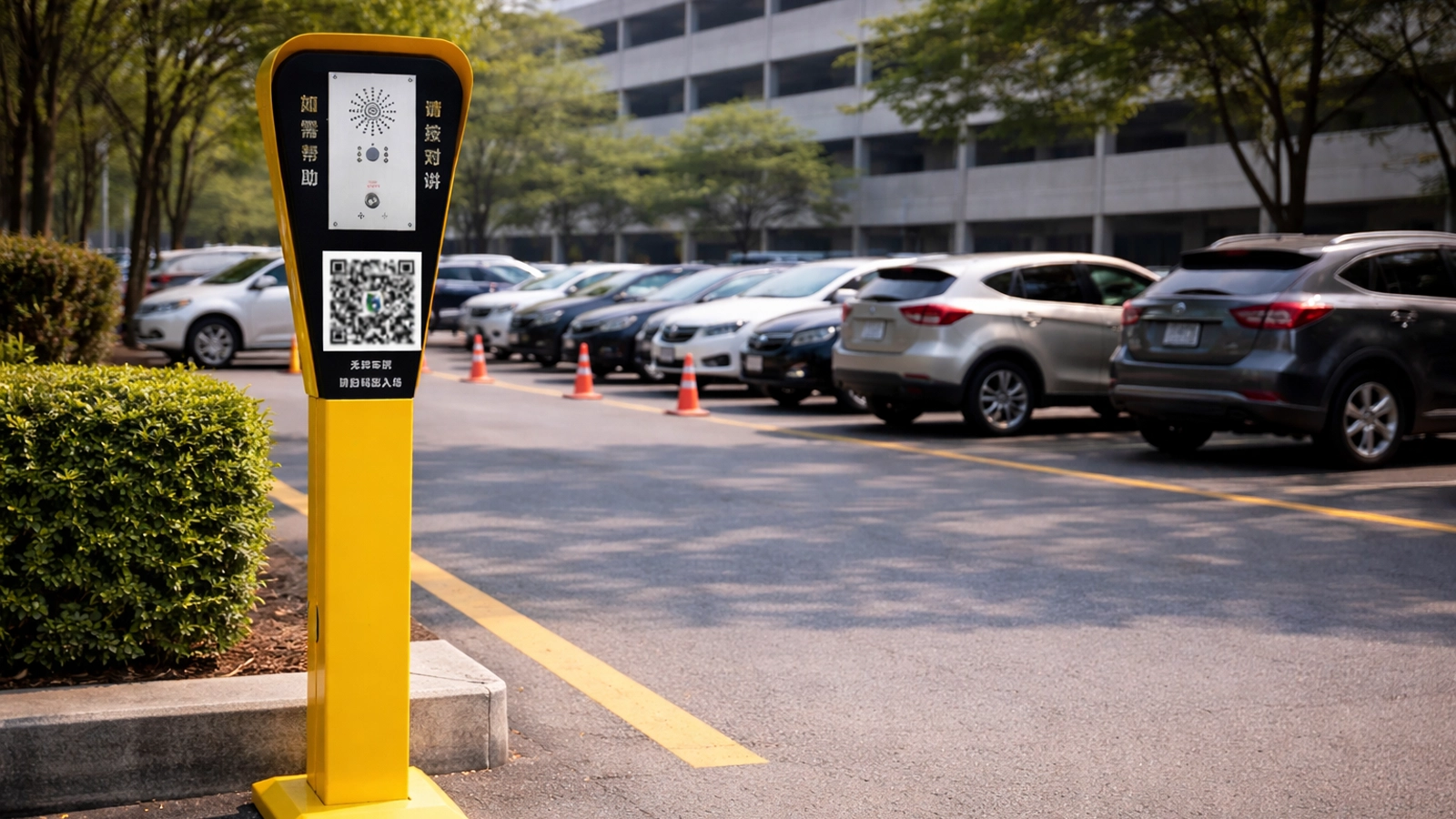
在醫院、服務大廳、接待區與公共機構中,語音通訊需專業、清晰且即時。GP100可作為護理站、服務台、入口櫃檯、訪客區與行政室的緊湊型廣播對講終端。桌上型設計方便坐姿人員使用,SIP部署模式則支援多點集中管理。
此類專案中,若場域希望以簡潔專用的終端執行語音公告與對講,無按鍵版尤具吸引力;若人員需本機撥號或功能操作,則按鍵版更合適。
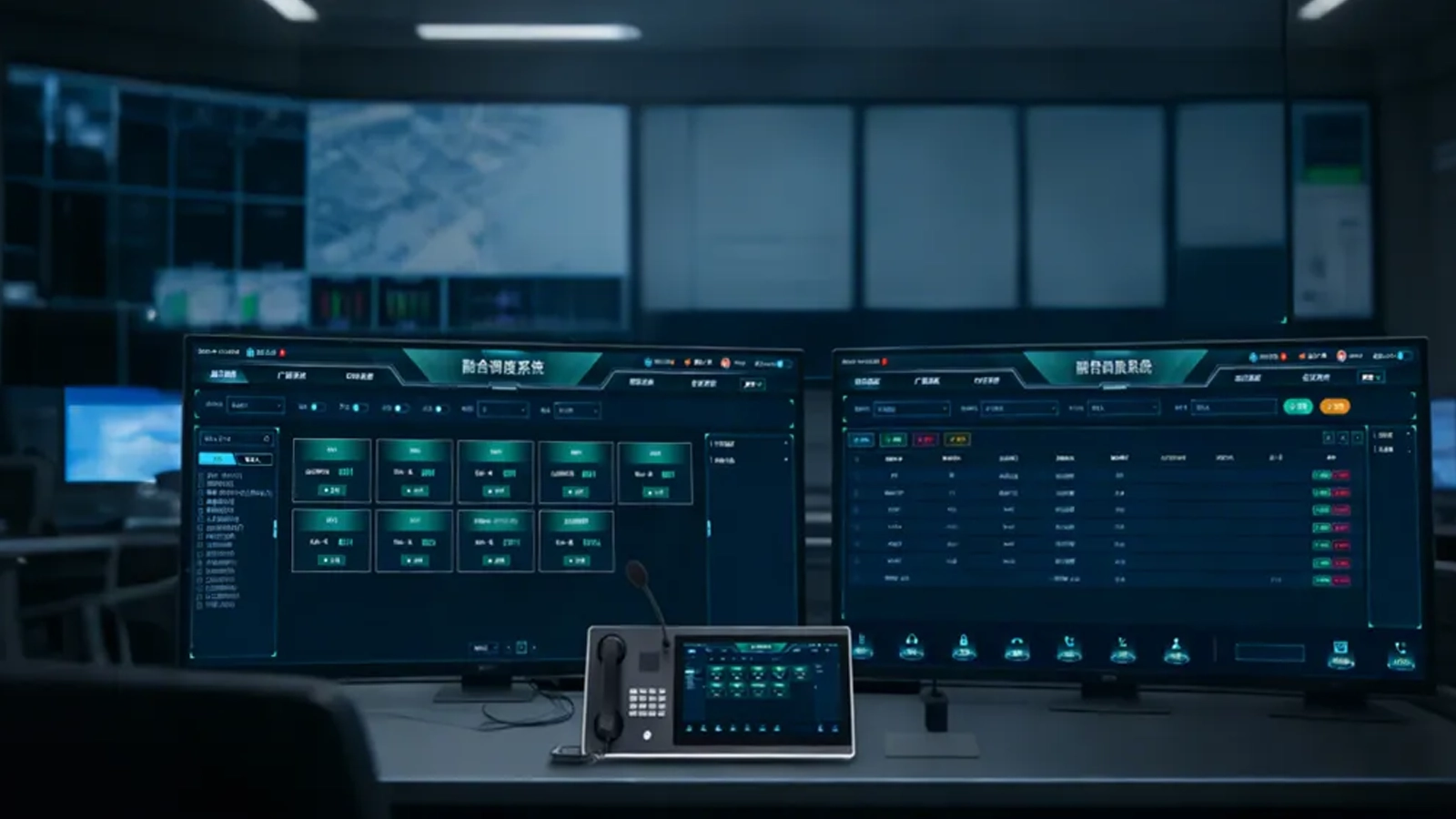
GP100也適用於保全與管制應用,人員可透過專用語音終端執行對講廣播、通話處理與定位協調。可用於監控室、門禁管制台、交通服務櫃檯、門崗與值班室,支援與內部團隊、現場人員或連線SIP終端的快速溝通。
此類環境中,使用者通常更看重可靠性、直接控制與快速反應,而非複雜的視覺介面。GP100以功能型語音操作為核心,同時相容現代網路化通訊架構,完美對應此類需求。
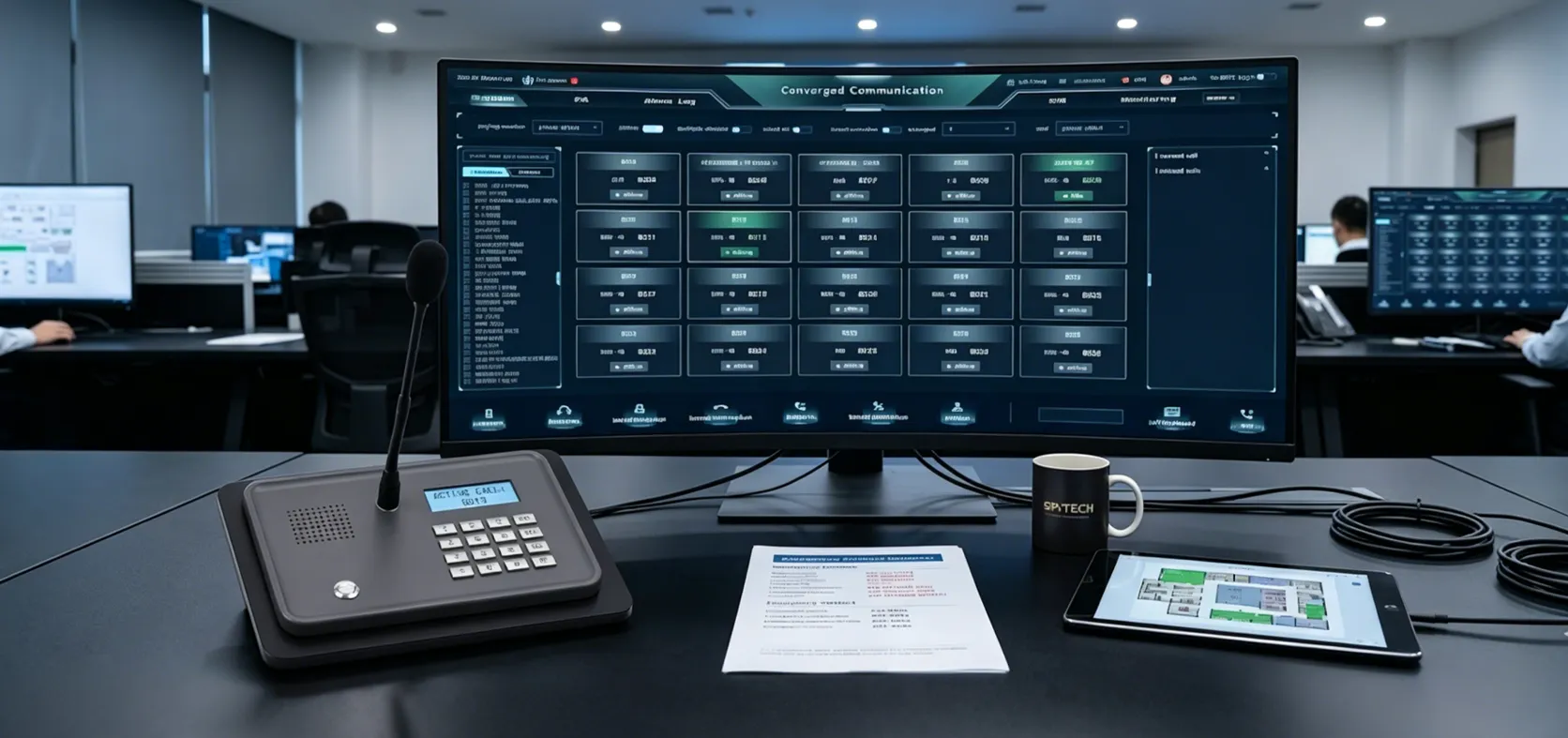
按鍵版適用於終端本身即為互動工作點的專案。搭載按鍵與128×48背光單色點陣螢幕,可提供更完整的操作體驗,滿足本機通話控制、設備資訊顯示與完整操作介面需求,是接待台、值班室或全日頻繁處理語音任務櫃檯的理想選擇。
無按鍵版移除按鍵與128×48背光單色點陣螢幕,更適合簡易對講廣播崗位。當優先需求為直覺式即時語音、簡潔外觀與低本機複雜度時,這是務實選擇。對於大規模部署標準化廣播點的專案,可在維持整體產品定位的同時,保持操作直覺性。
兩種版本,同一通訊目標:為各場域打造直接控制與精簡語音操作的最佳平衡。
GP100是一款緊扣實際對講廣播需求的SIP麥克風終端,專為追求快速語音存取、穩定日常表現與順利整合整體SIP通訊系統的操作者設計。它不過度強調規格,而是在核心價值面提供實力:易用性、清晰語音表現、部署彈性,以及對多樣真實工作環境的適用性。
憑藉按鍵與無按鍵雙版本,GP100可適應不同專案樣態,同時維持其作為廣播、公告與對講通訊桌面語音終端的核心定位。對於學校、工廠、醫院、辦公室與營運設施而言,若需專用SIP麥克風解決方案,GP100兼具易用性、功能性與部署適配性,是極佳選擇。
按鍵版搭載按鍵與128×48背光單色點陣螢幕,適合需要較多本機交互的場域。無按鍵版不具備按鍵與128×48背光單色點陣螢幕,更適合簡易語音崗位與精簡型廣播點。
適用。GP100非常適合學校、校園與行政大樓,人員可使用這款實用桌面終端執行即時公告、對講通訊與例行語音協調。
可以。GP100設計用於SIP部署環境,可作為大型系統一部分,與IP PBX平台、對講設備、喇叭及其他網路通訊終端協同使用。
簡易廣播點或標準化廣播站台,通常適合選擇無按鍵版,可讓設備更專注、更好操作。需要主動控制的櫃檯則建議選擇按鍵版。
| 項目 | 規格 |
|---|---|
| 產品型號 | GP100SIP麥克風 |
| 顯示器 | 2.28吋(128×48)黑白點陣螢幕帶背光 |
| 實體按鍵 | 17個實體按鍵:12個撥號鍵(0~9,*,#),1個免持鍵,3個可程式鍵,1個快速撥號鍵 |
| 網路介面 | 2×RJ45介面(1×網路,1×PC,支援網橋模式);WAN埠支援PoE供電(IEEE802.3af,class3) |
| 電源介面 | 1×DC電源介面,輸入:DC12V/1A;介面規格:5.5mmDC電源插孔(Φ5.5×2.1×10mm) |
| 狀態指示燈 | 1×綠色指示燈(用於SIP狀態和網路狀態) |
| 音頻輸出介面 | 1×3.5mm標準3段音頻介面,最大輸出1.2Vpp(音量可調),用於連接主動式揚聲器 |
| 乾接點介面 | 1通道短路輸入/輸出介面(帶繼電器);繼電器規格:MAXDC24V/1A,AC120V/1A;介面類型:可插拔3.5mm鳳凰端子 |
| 外殼材質 | 鋁合金外殼 |
| 安裝方式 | 桌面擺放 |
| 顏色 | 黑色+白色 |
| 工作溫度 | -30℃~60℃ |
| 儲存溫度 | -30℃~60℃ |
| 相對濕度 | 10%~95% |
| 語音編解碼器 | G.711A/U,G.729A/B,iLBC,G.723,G.726-32K,G.722 |
| 回聲消除 | 全雙工通訊帶AEC演算法,免持模式下最大消除96ms回聲延遲 |
| 音頻增強技術 | VAD(語音活動檢測),CNG(舒適雜訊生成),BNE(背景雜訊消除),PLC(封包遺失補償) |
| DTMF傳輸模式 | 帶內,帶外(RFC2833/SIPINFO) |
| SIP線路 | 2線路 |
| 麥克風配置 | 配備鵝頸麥克風,拾音性能卓越 |
| 時間管理 | 支援預定本地週期性任務 |
| 遠端管理 | 支援基於網頁的遠端音量調整 |
| 時間同步 | 支援網路時間同步 |
| 語音對講 | 支援 |
| 快速撥號 | 支援(透過快速撥號鍵一鍵啟動) |
| 自動應答 | 支援(可為個別線路配置) |
| 語音信箱 | 支援(需要伺服器支援) |
| 本地三方會議通話 | 支援 |