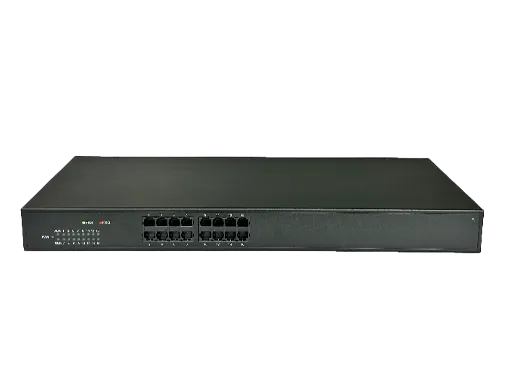

Becke IPGA-16S FXS 閘道器專為需要在現代 SIP 語音環境中實現高密度類比終端連接的機構設計。搭載 16 個 FXS 埠,可將類比電話機與傳統 PBX 資源接入 IP 電話系統,同時兼顧部署的實用性、穩定性與易管理性。對多數企業而言,類比語音終端仍廣泛應用於辦公室、服務櫃檯、飯店、校園、工廠、宿舍與分支據點。IPGA-16S 可讓這類設備在全新的 SIP 通訊架構中持續運作,協助機構延長既有終端的使用週期,同時提升整體網路彈性。
在實際移轉專案中,類比設備的替換往往無法一蹴可幾。許多企業仍保有大量可正常使用的類比電話、傳真介面或傳統分機設備,支撐日常通訊作業。一次性全面替換不僅會增加成本、拉長部署時程,還會造成不必要的營運中斷。IPGA-16S 作為類比終端與現代 SIP 平台之間的穩定橋樑,提供更務實的解決方案,協助企業階段式推動現代化、保留既有投資,並建構更集中化的語音系統,同時維持營運不中斷。
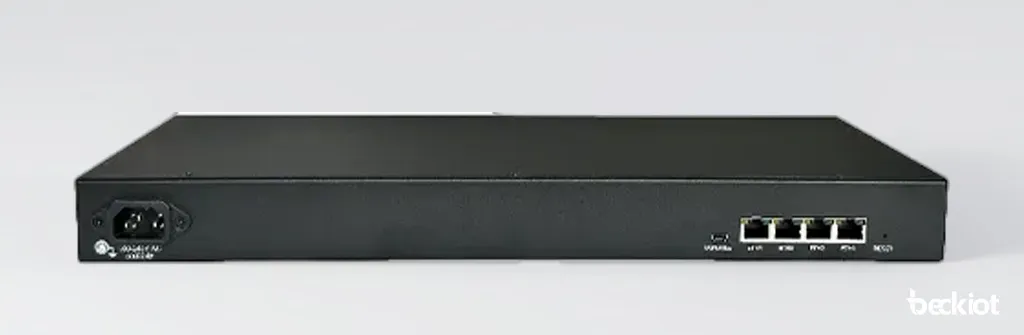
IPGA-16S 最大的產品優勢在於 16 埠 FXS 容量,可滿足超越入門級閘道器的類比分機接入需求,同時維持部署的緊湊型與成本效益。16 埠設計特別適用於需集中連接多台類比電話的場域,例如分支辦公室、客服團隊、接待區、服務台、宿舍樓層、飯店區域或分散式行政部門。
相較於低密度機型,需保留多條類比線路時,16 埠 FXS 閘道器具備更佳的部署效率,可減少設備數量、簡化結構化安裝,並在大範圍 SIP 網路中實現更整潔的類比接入方案。對於追求埠數與管理規模平衡的採購方,IPGA-16S 定位為實用的中密度解決方案,而非迷你型或過度大型的平台。
本閘道器支援標準 SIP 協定,可相容主流 IMS、NGN、軟交換機、IP PBX 與 SIP 電話平台,讓系統整合商與企業用戶在建構跨廠商語音系統時具備更高彈性。在既有設備、電信商平台與全新語音應用需在穩定通訊架構下協同運作的專案中,互通性至關重要。
這類相容性也提升部署自由度,用戶無需受限於單一廠商生態系,可將 IPGA-16S 整合至各類商業語音環境,包含集中式 PBX 系統、託管式語音部署、分散式分支架構與企業移轉專案。這讓產品不僅是硬體終端橋接設備,更能成為長期整體通訊策略的一環。
對多數機構而言,類比設備在日常通訊中仍扮演重要角色。IPGA-16S 可在保留這類資源的同時,將其導入更具彈性的 IP 通訊架構,讓移轉過程更順暢、干擾更低。在需控管預算、採階段式上線,或類比終端仍穩定運作的營運環境中,這項優勢格外實用。
閘道器支援階段式轉型模式,無需強制各據點一次性全面更換終端。企業可在必要場域維持類比設備運作,同時將通話控制、SIP 註冊與語音服務導向更集中、更現代的平台。這種階段式方式通常可降低專案風險,讓語音現代化更容易在多部門或多據點落地執行。
優異的 16 埠 FXS 閘道器不僅要擴增類比容量,更要協助企業現代化通訊,無需一次性替換所有可用終端。
IPGA-16S 支援彈性撥號計畫與通話路由,協助企業依分機架構、分支通話需求、內部通訊流程與整體 SIP 部署策略調整系統,提升實務商務環境的易用性。用戶無需遵循固定僵化的編號模式,可打造符合自身營運模式的通話行為。
彈性路由對擁有多部門、分支據點或不同類比終端的企業尤為重要,透過支援可調適的撥號行為與路由邏輯,閘道器能更自然地契合企業編號規劃、辦公室架構或區域部署要求,不再只是單純的類比介面設備,更成為協助整體語音網路順暢運作的邏輯層一環。
閘道器搭載完整商用語音功能,包含通話等候、通話轉接、通話轉播、快速撥號、請勿打擾、群組巡迴、語音信箱、待機音樂、語音訊息提示(MWI)與三方會議。這些功能讓設備不僅能實現基礎類比接入,更能讓經由閘道器連接的類比終端順利融入現代辦公通訊流程。
在多數商務場景中,類比設備不僅作為緊急備援終端,更需支撐日常生產力。接待櫃檯需要轉接功能、共享辦公人員需群組巡迴、分支用戶依賴轉播、服務團隊需流暢的來電處理。IPGA-16S 結合類比接入與豐富電話功能,滿足實際營運需求,提升終端用戶的實用價值。
平台支援 TLS 與 SRTP 實現安全信令與媒體傳輸,同時搭載嵌入式系統設計、電信級穩定性與主/備 SIP 伺服器故障轉移功能。這些優勢可強化專業語音環境的服務連續性與部署信心。對企業網路而言,安全通訊與穩定服務表現往往與埠密度同等重要。
當閘道器應用於分支辦公室、客戶對應場域或日常商務營運,語音中斷可能影響生產力與回應效率,此時穩定性尤為關鍵。IPGA-16S 結合安全協定與專業通訊部署等級的平台架構,確保更可靠的運作表現,更適合正式商務使用,而非僅作為臨時類比轉換用途。
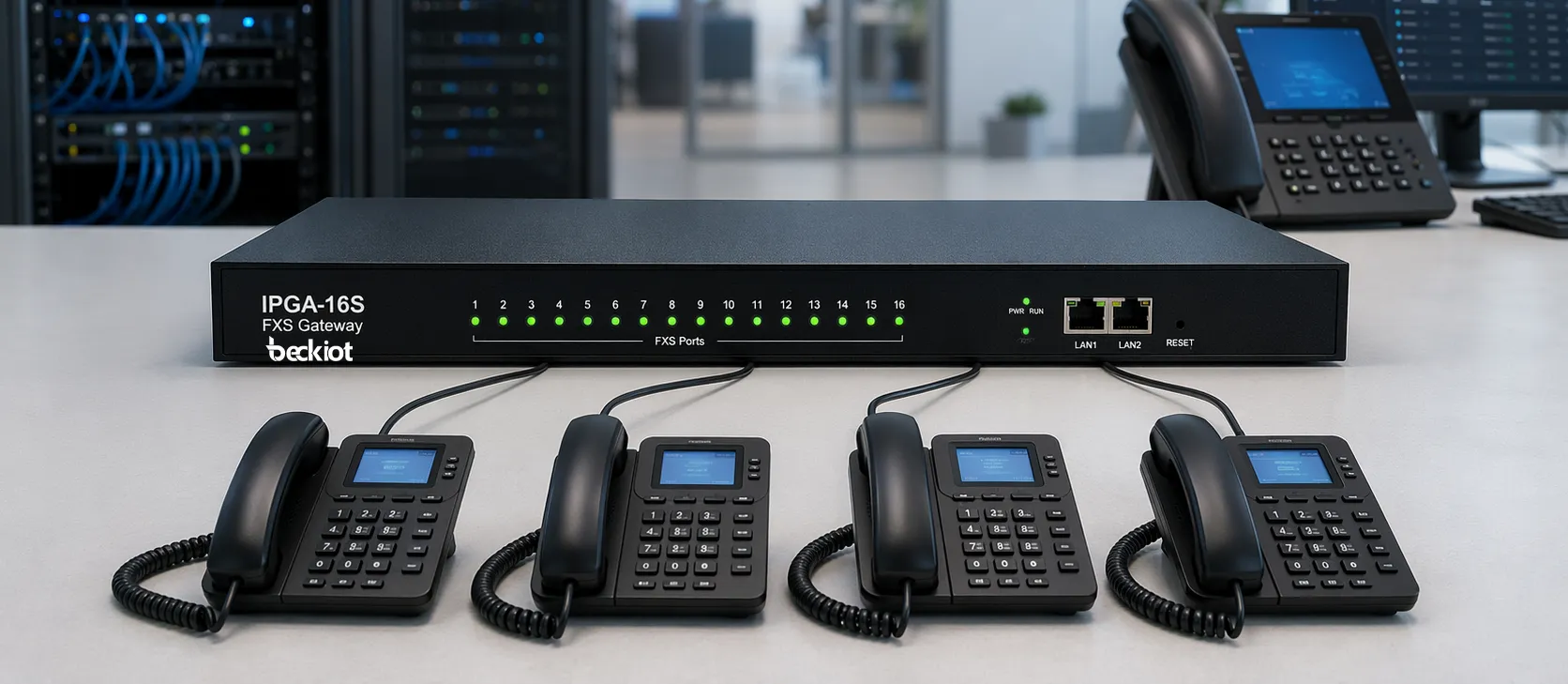
IPGA-16S 搭載直覺式網頁管理介面與快速安裝指引,讓安裝人員、經銷商與 IT 團隊更輕鬆完成設定與日常管理,縮短部署時程並降低後續維護成本。在技術團隊需快速存取設備設定、無需依賴複雜管理工具的專案中,瀏覽器式介面格外實用。
簡化設定也有利長期服務,當閘道器部署於多個辦公室或客戶環境時,簡易設定可減少錯誤、加速佈建,並提升專案週期內的維護效率。對整合商與服務供應商而言,可降低營運摩擦,優化安裝與售後支援體驗。
支援 SNMP、TR-069、自動佈建、設定備份還原與雲端管理,讓閘道器更容易在分支辦公室與分散式據點部署維護,對需管理多據點的服務商與企業格外實用。隨著語音系統遍及辦公室、零售門市、宿舍大樓、行政設施與區域分支,遠端支援的價值日益提升。
這類環境中,每次調整都派技術人員現場處理會增加成本、拖慢服務回應。IPGA-16S 支援集中化與遠端導向的管理方式,減輕這類負擔,對需在廣大地理範圍內維持穩定類比接入、同時兼顧高效可擴展維護的機構極具吸引力。
支援 IPv4、IPv6、QoS 與 VLAN 標籤,更容易整合至重視網路分段、流量優先權與穩定語音表現的企業與電信商管理型網路。這讓 IPGA-16S 能自然融入管理式 IT 環境,而非作為孤立的類比邊緣設備運作。
企業部署中,語音品質往往取決於設備在整體網路中的表現。QoS 與 VLAN 支援等功能可提升與管理型交換器、分段流量環境與商務網路政策的整合穩定性,讓 IT 團隊在兼顧網路規範與服務穩定性的前提下,安心實現類比語音接入。
IPGA-16S 非常適合需保留類比電話,同時將通話控制與語音服務導入 SIP 平台的中小企業用戶,在埠密度、功能支援與部署效率間取得實用平衡。許多中小企業希望現代化電話系統,卻仍依賴日常可用的類比桌機、類比佈線或既有分機使用習慣。
此類情境下,閘道器提供務實的移轉途徑,協助中小企業將熟悉的類比終端接入現代平台,避免轉換成本過高或營運干擾。在仍使用類比電話的辦公室、零售門市、在地服務業、診所、學校與行政工作場域格外實用。
在客服中心或服務導向場域,閘道器可提供日常營運所需的充足類比分機容量,同時支援整合依賴通話處理、會議與穩定通訊的整體語音系統。適用於核心通話平台採 SIP 架構,而團隊、櫃檯或支援人員仍使用類比話機的環境。
這類場域的價值不僅在於類比埠的可用性,更在於將這些埠導入結構化語音流程的能力。轉接、轉播、通話等候與群組巡迴等功能,讓閘道器更適合重視回應效率與連續性的客戶對應通話任務。
IPGA-16S 也適用於需本地類比終端連接,同時隸屬整體企業通訊策略的分支辦公室與遠端據點。許多分支環境仍以類比電話服務行政櫃檯、內部服務崗位或本地營運,同時需連回中央 SIP 平台實現統一管理。
作為 SIP 架構內的本地類比接入點,閘道器可協助分支據點維持易用性,同時融入企業整體通訊框架。對希望集中管控語音政策與平台,又無需同步全面標準化所有終端的分散式企業格外實用。
對擁有多據點的企業而言,閘道器可在整體 SIP 通訊架構中標準化類比接入,輕鬆擴展語音部署,無需同步更換所有類比終端。大型企業中,語音移轉往往依地區、部門與設施進度不一,部分據點可全面導入 IP 電話,部分仍依賴類比終端。
IPGA-16S 支援這類混合部署現況,讓企業以更標準化的方式連接與管理類比接入,同時推動整體系統朝向 SIP 通訊發展,成為階段式現代化、多據點治理與長期企業語音規劃的實用元件。
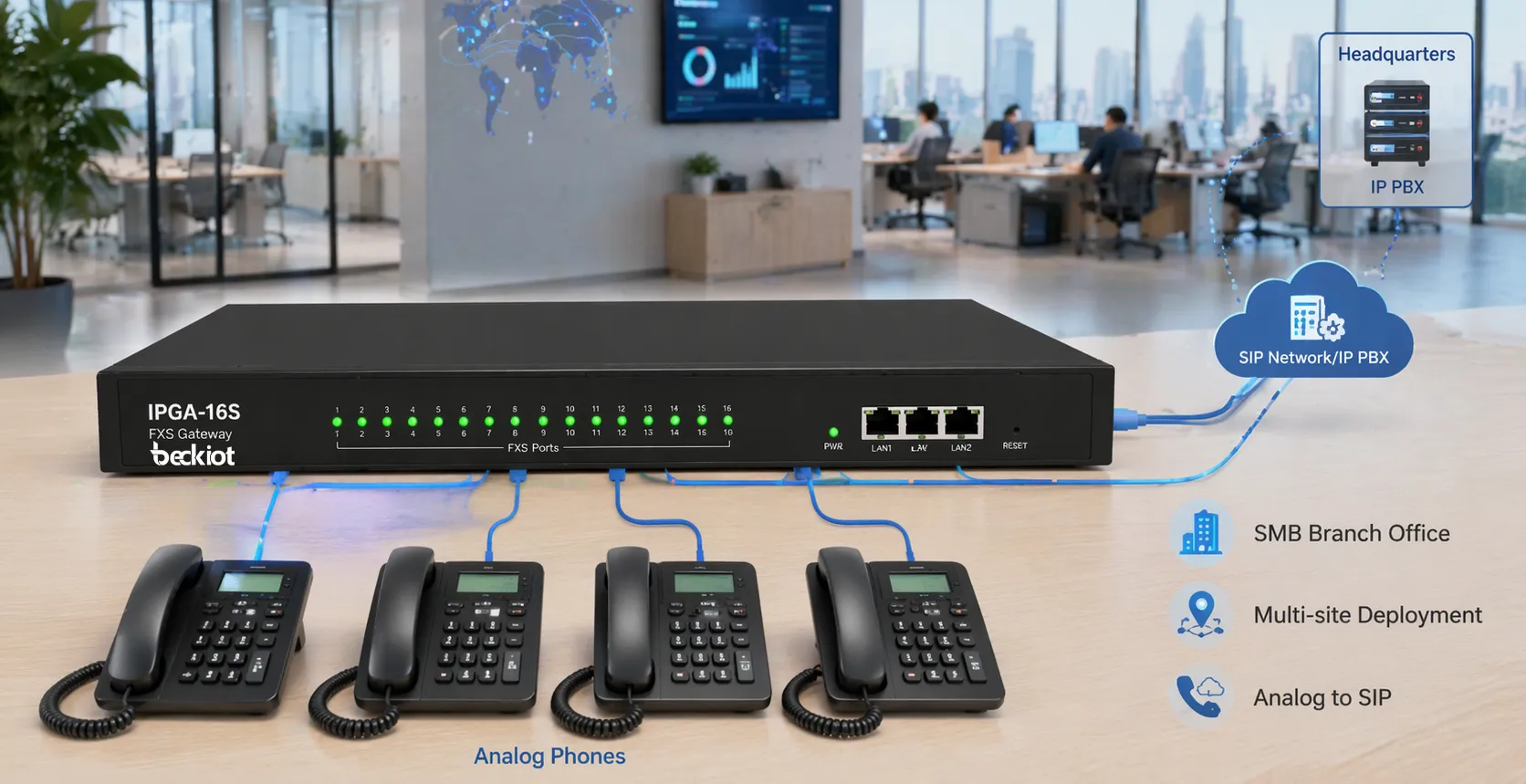
Becke IPGA-16S 以單一平台整合 16 個 FXS 類比接入埠、優異 SIP 互通性、彈性撥號計畫、實用商用電話功能、安全語音支援與易管理部署,脫穎而出。對需要可擴展類比閘道器、無需多餘複雜性的採購方,它在現行營運需求與長期移轉價值間取得絕佳平衡。
特別適用於不僅需保留類比設備的專案。IPGA-16S 協助機構持續使用既有終端、整合至現代語音平台、支援多據點營運,並精準掌控部署與維護。對需要可靠 16 埠類比轉 SIP 閘道器的企業、整合商與服務供應商,它以明確的部署定位,帶來務實的商業價值。
核心價值在於提供 16 個 FXS 埠連接類比電話與傳統語音設備,並以實用、可擴展、易管理的方式整合至 SIP 與 IMS 通訊環境。
適用於仍使用類比終端的中小企業、客服中心、分支辦公室、遠端據點與多據點企業。
可以。產品設計相容主流 IMS、NGN、軟交換機、IP PBX 與 SIP 電話系統,適用於跨廠商與企業部署環境。
支援。彈性撥號計畫與路由是核心優勢之一,適用於分支、多據點、混合語音與類比轉 IP 移轉部署。
適合。支援 TLS 與 SRTP,可保護專業語音網路的信令與媒體流量,提升企業通訊環境適用性。
簡便。網頁式管理、SNMP、TR-069、自動佈建、備份還原與雲端管理支援,讓多據點部署與維護更輕鬆。
可以。適合需要本地類比終端接入,同時連接整體 SIP 通訊系統與集中式語音策略的分支辦公室。
當據點需要更大的類比分機容量、更易擴展、更少獨立設備、更集中的管控,又無需升級至大型機箱時,16 埠 FXS 閘道器是更佳選擇。
| 項目 | 規格 |
|---|---|
| 產品型號 | IPGA-16SFXS閘道器 |
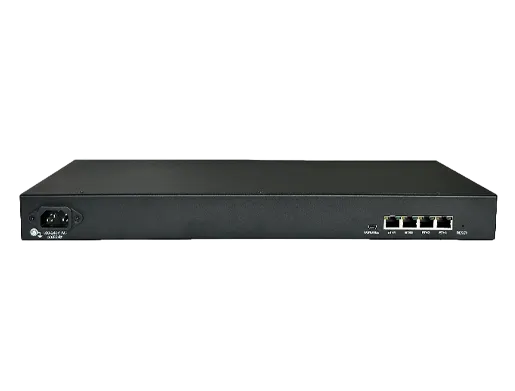
| 語音介面 | 16×FXS埠(RJ11×16) |
| 乙太網路介面 | 4×RJ45埠10/100/1000Mbps |
| USB介面 | 1×MiniUSB埠 |
| 並行通話數 | 16通道 |
| 支援協定 | SIP/IMS,DHCP,TCP/UDP,HTTP/HTTPS,TLS,ARP/RARP,DNS,NTP,TFTP,SRTP,TELNET,STUN,TR-069,SNMP |
| 音訊編解碼器 | G.711a/u,G.723,G.729A/B,iLBC,AMR |
| DTMF模式 | 帶內,RFC2833,SIPINFO |
| 回聲消除 | 硬體AEC |
| IP模式 | IPv4/IPv6 |
| VPN | 支援VPN客戶端 |
| 防雷保護 | 第4級 |
| 重置按鈕 | 長按8秒恢復出廠設定 |
| 狀態指示燈 | PWR(電源),RUN,ALM(告警),網路埠,FXS通道狀態 |
| 產品尺寸 | 440×44×202mm |
| 淨重 | 2.7kg |
| 工作溫度 | 0°C~45°C |
| 儲存溫度 | -20°C~85°C |
| 工作濕度 | 8%~90%無凝結 |
| 儲存濕度 | 8%~90%無凝結 |