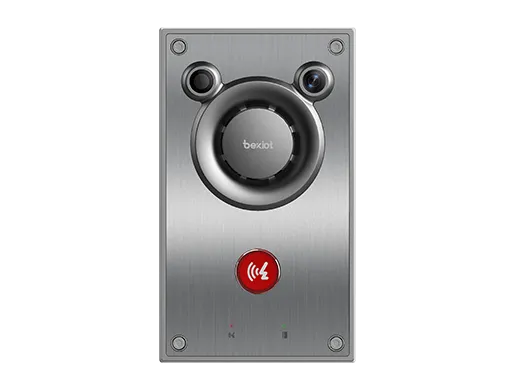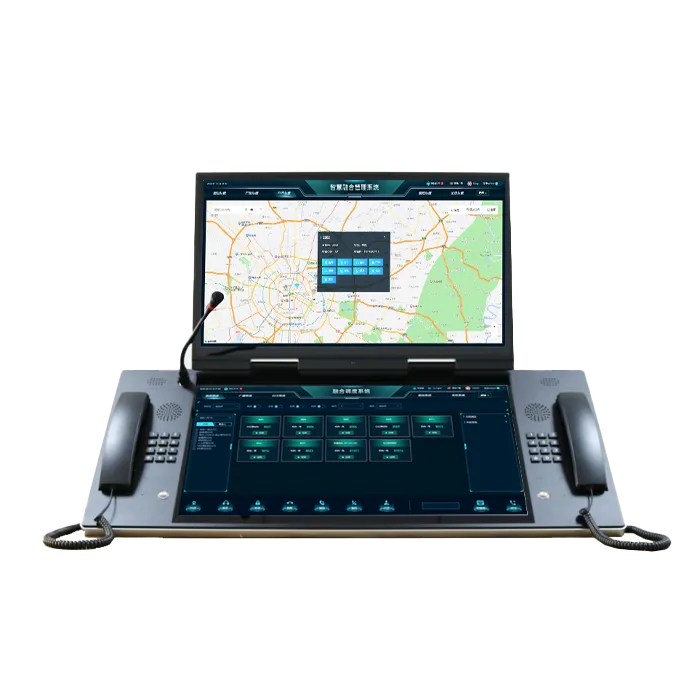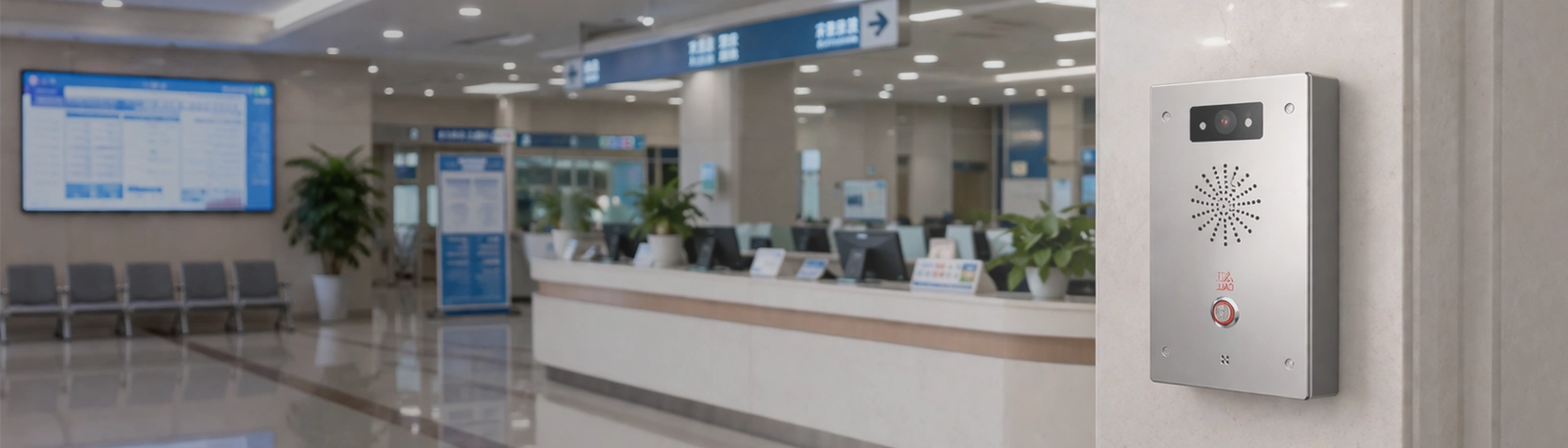
A panic button and duress alarm system is designed to help people request immediate assistance when they face threats, violence, medical emergencies, or other high-risk situations. Unlike a standard alarm device that only sends a simple alert, a modern solution connects emergency buttons, silent duress triggers, intercom or phone devices, alarm notifications, and centralized dispatch into one coordinated response system.
For many organizations, the real challenge is not just sending an alarm. It is making sure the right people receive the alert at once, understand exactly where it happened, verify the situation quickly, and respond through a structured process. That is why panic button and duress alarm projects are increasingly built as part of a broader emergency communication architecture rather than as stand-alone devices.
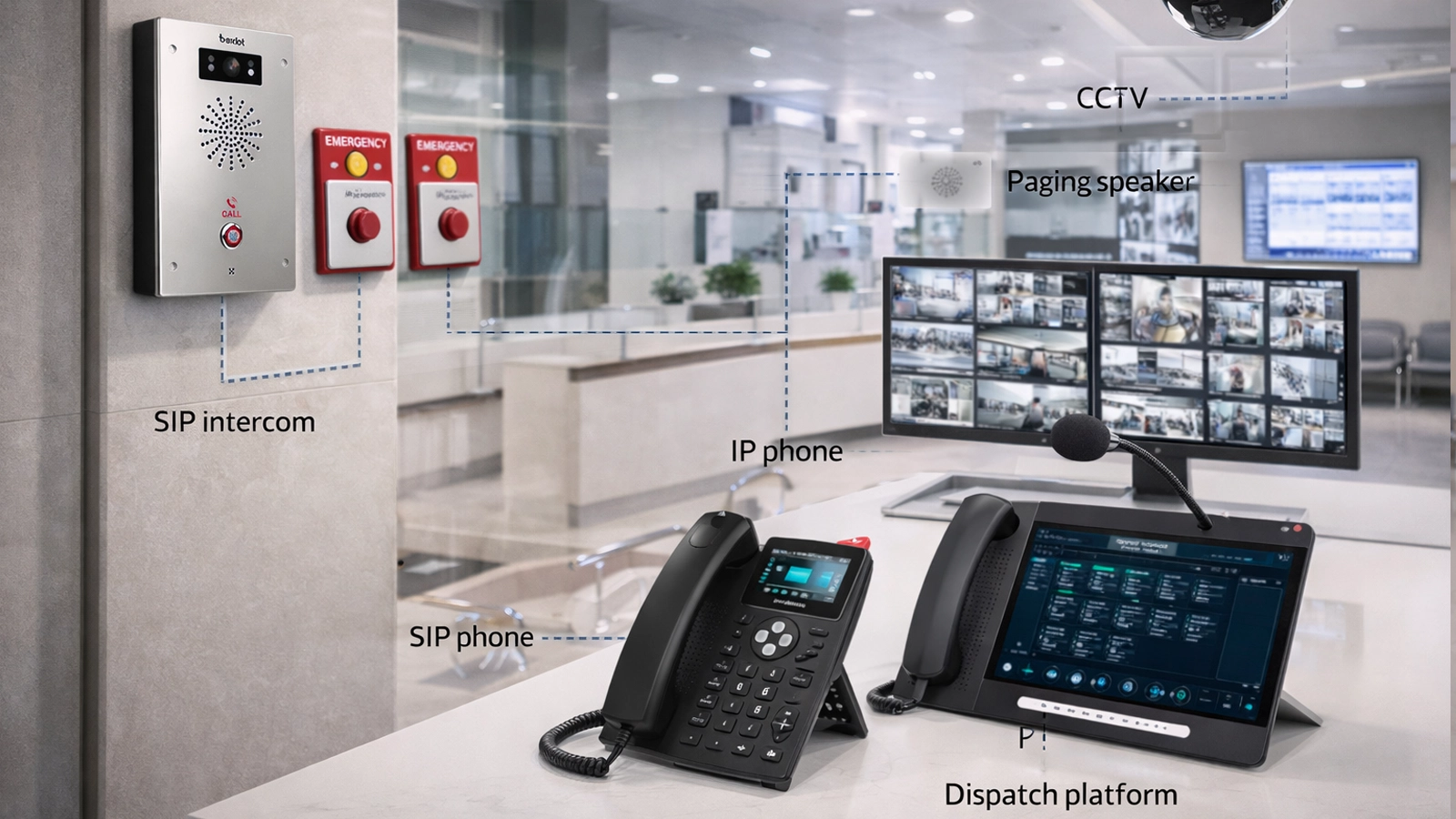
Becke Telcom provides a practical approach that combines panic buttons, duress alarms, SIP intercom terminals, IP phones, local sound and light alarms, video linkage, paging, and dispatch management. The result is a faster, clearer, and more reliable emergency response workflow for public facilities, commercial environments, and critical operations.
In many incidents, a person under threat cannot make a normal phone call or openly ask for help. A receptionist facing an aggressive visitor, a cashier under robbery risk, a nurse in a violent ward, or a lone worker in a remote area may need a simple way to trigger assistance without escalating the situation. In these cases, a silent duress alarm becomes especially important.
A dedicated panic button or hidden duress trigger reduces the response time between incident detection and action. Instead of relying on verbal reporting, the user can trigger a pre-defined emergency workflow with a single press. Security personnel, supervisors, or response teams receive the alert immediately, and the platform can begin coordinated follow-up actions at once.
Many conventional systems only generate a local sound or send a basic notification. They do not provide audio confirmation, event classification, location visibility, or structured escalation. This can create delays, confusion, or misjudgment during real incidents, especially across large facilities or multi-site organizations.
A more effective solution links alarms with communication and management functions. Once the alarm is activated, the system should identify the alarm point, show the zone or room, notify assigned personnel, open voice communication if needed, and support linkage with CCTV, paging, or dispatch consoles. This makes the response both faster and more accurate.
A panic button is not just a trigger device. In a well-designed system, it becomes the first step of a complete emergency response process that includes alerting, verification, coordination, and incident handling.
A panic button and duress alarm system is an emergency alerting solution used to protect staff, visitors, patients, students, customers, or field personnel in situations that require urgent assistance. It supports both visible emergency call points and discreet silent alarm mechanisms, allowing organizations to respond to overt emergencies and hidden threats through one unified platform.
The system is commonly deployed in hospitals, schools, banks, retail stores, public service counters, government offices, warehouses, transportation hubs, and industrial facilities. Its purpose is not only to raise an alarm, but also to support rapid communication, incident localization, and coordinated response.

When a panic button or duress alarm is activated, the system sends an alert to the control platform. The platform identifies the device, user, zone, or room associated with that alarm point and pushes the event to designated operators, security teams, or mobile responders. Depending on the scenario, it can also trigger local sirens or beacons, start call-out logic, activate voice communication, display CCTV feeds, and issue broadcast announcements.
This workflow allows the organization to move from simple alarm notification to managed emergency response. The platform can record the event, keep an operational log, and support escalation rules if the first responders do not acknowledge the alarm within the required time window.
The most essential function of the system is immediate alarm activation. A standard panic button is typically used when open assistance is appropriate, while a duress alarm is intended for situations where the user must avoid drawing attention. Both options can be configured according to site risk, workflow, and user role.
Alarm points can be installed under counters, beside reception desks, inside treatment rooms, in staff areas, at gates, inside offices, near production zones, or on portable devices for mobile personnel. Different alarm types can also be assigned different priorities so that the platform can distinguish between a medical emergency, a violence threat, a robbery event, or a staff assistance request.
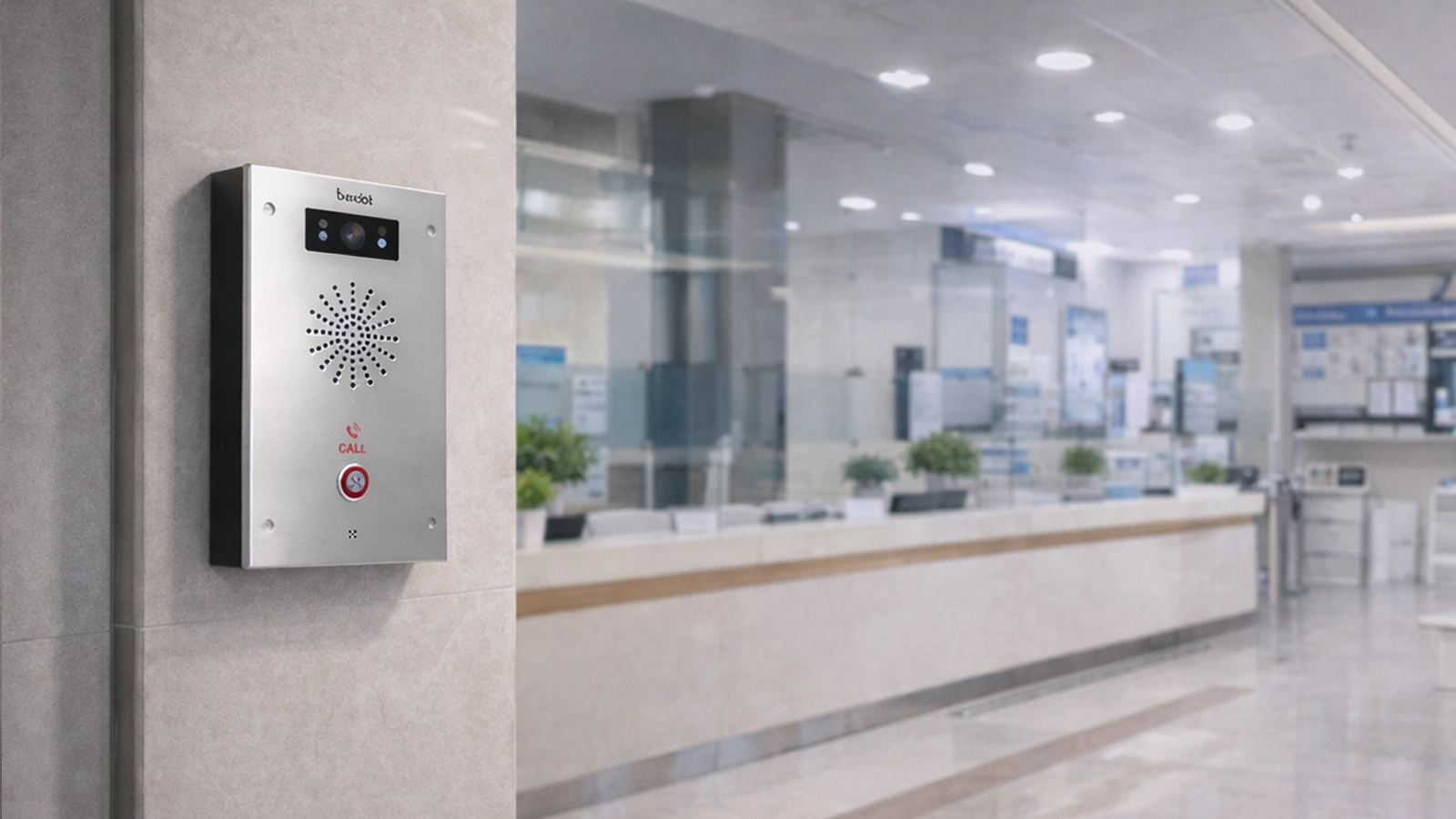
In many cases, the fastest way to understand what is happening is to open live audio communication. By integrating SIP intercom terminals, IP phones, or emergency communication endpoints, the platform can establish two-way voice with the alarm point or nearby location. This helps operators confirm the situation, calm the person involved, and guide immediate actions.
Voice verification is especially useful in healthcare, education, public buildings, and industrial environments where the incident type may not be obvious from the alarm signal alone. It also helps reduce false dispatches while improving confidence in the response process.
A strong solution should not force operators to guess where the event occurred. Each alarm point should be associated with a defined room, corridor, counter, workstation, outdoor zone, or site area. The platform can display this information on the dispatch screen so that responders receive accurate location context without delay.
For larger projects, the system can group alarm devices by building, floor, department, area, or operational zone. This makes it easier to manage alarm priorities, route notifications, and coordinate response across multiple locations.
Emergency response is rarely a single action. It usually involves multiple people and multiple systems. That is why a panic button and duress alarm solution should support notification logic, escalation rules, event acknowledgement, operator notes, recording, and post-incident review.
When connected to dispatch or security software, the system can issue alerts to control rooms, supervisors, guards, mobile apps, and designated duty groups. If the first assigned person does not respond in time, the event can automatically escalate to the next level. This improves accountability and helps ensure that critical alarms are not overlooked.
The value of the system comes from coordinated response. Alarm activation, location visibility, voice verification, video linkage, and dispatch management must work together to create a reliable emergency workflow.

In larger buildings or critical sites, local alarms may not be enough. Integration with paging or public address systems allows supervisors or security personnel to issue zone-based instructions, emergency announcements, or evacuation guidance. This is useful in hospitals, campuses, transport hubs, and industrial operations where staff must respond in a coordinated way.
When the panic alarm is linked with paging, the organization can decide whether to keep the response discreet or issue audible notifications by zone, by building, or site-wide, depending on the event type. This flexibility is important because not every alarm should trigger the same public response.
CCTV integration helps operators verify the alarm and understand the immediate environment around the incident point. When a panic button is triggered, the system can automatically call up associated cameras, helping security teams assess risk, identify nearby personnel, and support a more informed dispatch decision.
This is especially valuable in banks, retail stores, public counters, schools, and government service areas where visual confirmation supports both response and investigation.
For organizations with multiple buildings or distributed operations, centralized management is a major advantage. A unified platform can monitor alarms from different sites, apply common policies, assign role-based permissions, and maintain a consistent response model across the network.
Becke Telcom can integrate emergency buttons, SIP devices, alarm endpoints, and dispatch functions into one communication framework. This approach helps customers avoid fragmented systems and makes future expansion easier as more devices, locations, and workflows are added.
Hospitals and clinics use panic buttons and duress alarms in nurse stations, reception desks, treatment rooms, psychiatric wards, pharmacies, and emergency departments where staff may face aggression or urgent assistance situations. Schools and campuses use them in administrative offices, classrooms, dormitories, entrances, and security points to improve incident reporting and staff protection.
Banks, government offices, and public service counters often require discreet alarm activation because the person under threat may need to request help without alarming the aggressor. Silent duress buttons under desks or counters are a common deployment model in these environments.
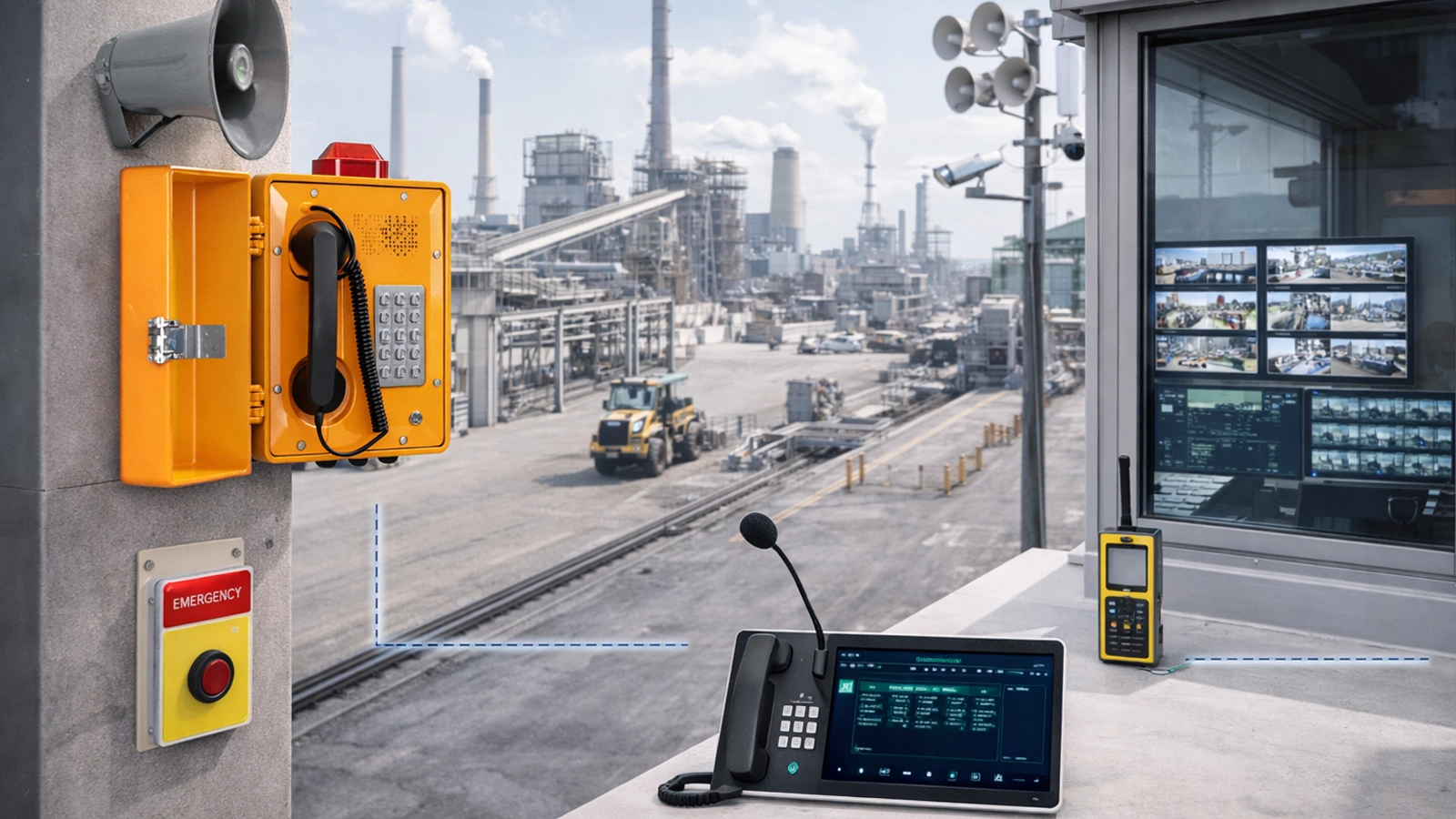
Retail stores and shopping centers use panic alarms for cashier stations, service counters, control rooms, and back offices. Warehouses and logistics facilities may combine panic buttons with intercoms and mobile notification to support staff protection across large operational areas. Industrial plants can use the system in control rooms, maintenance points, perimeter access areas, and remote work zones.
For lone workers or small teams operating in isolated sections of a site, the solution can be part of a broader safety framework that includes voice communication, zone identification, event logging, and escalation to supervisors or control centers.

A well-designed panic button and duress alarm system reduces reporting delays, improves situational visibility, and helps teams respond with greater confidence. It supports personnel safety by giving people a clear and easy way to request help, even in stressful or dangerous situations.
From an operational perspective, the solution also improves event traceability. Alarm records, acknowledgements, operator actions, and linked communication logs can all be preserved for review, training, compliance, and process improvement.
Different sites have different risk profiles. A hospital may need room-level alerting and fast internal security coordination. A bank may require discreet under-counter duress triggers. A warehouse may need a mix of panic buttons, intercom stations, and paging support across a large footprint. A multi-site enterprise may need centralized dispatch and standardized workflows.
Because of this diversity, the best solution is modular. Becke Telcom supports flexible integration with emergency buttons, SIP communication devices, alarm indicators, paging platforms, and dispatch systems, making it easier to tailor the design to each project while maintaining a unified operating model.
A panic button and duress alarm system is no longer just a simple emergency trigger. It is a practical safety solution that connects alarm initiation, voice communication, location awareness, event visualization, and coordinated dispatch. For organizations that need to protect staff and improve emergency handling, this kind of integrated design offers stronger operational value than isolated alarm devices.
By combining panic buttons, silent duress alarms, SIP intercom, IP telephony, CCTV linkage, paging, and dispatch management, Becke Telcom helps customers build a more responsive and more manageable emergency communication environment. The result is improved personnel safety, quicker incident handling, and a clearer path from alarm to action.
For projects that require discreet alerting, audio verification, multi-zone notification, or unified response coordination, a tailored panic button and duress alarm solution can provide a strong foundation for safer day-to-day operations.
A panic button is generally used for immediate emergency assistance and may be installed as a visible or standard emergency trigger. A duress alarm is usually intended for covert use in situations where the user cannot safely request help in an obvious way. In many systems, both functions are supported together.
Yes. A modern solution can integrate with SIP intercom terminals, IP phones, and related communication devices to provide two-way voice, call routing, and dispatch coordination after an alarm is triggered.
Yes. The platform can be configured to call up associated CCTV cameras, activate local sound and light alarms, and trigger paging or broadcast actions according to the type of event and the response policy of the site.
Common sectors include healthcare, education, banking, retail, government services, transportation, logistics, and industrial operations. Any environment where staff may face threats, aggression, or urgent assistance needs can benefit from this type of system.
Yes. With centralized software and network-based integration, organizations can monitor and manage alarms across multiple buildings or sites while maintaining unified response rules, event records, and operator visibility.