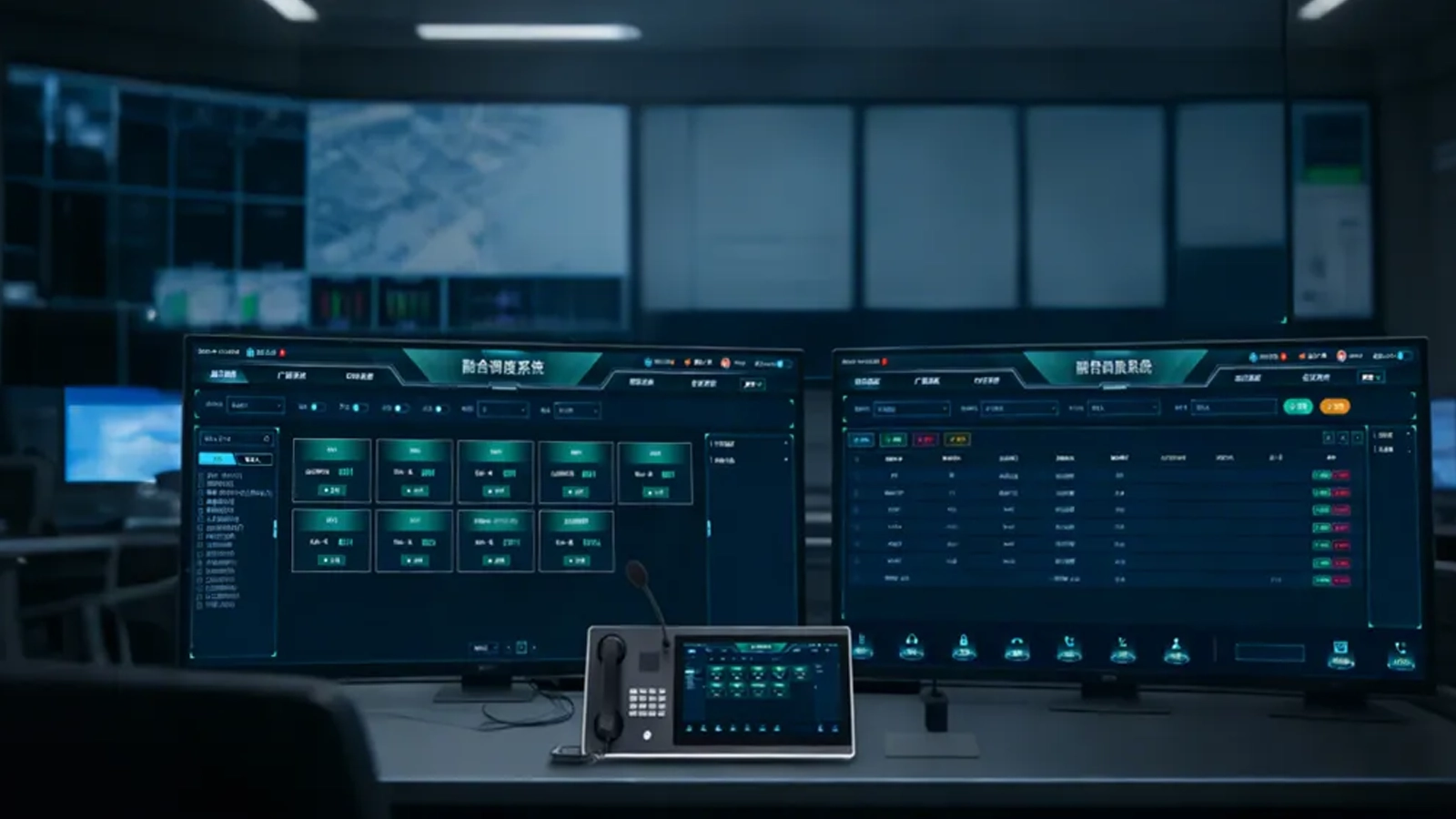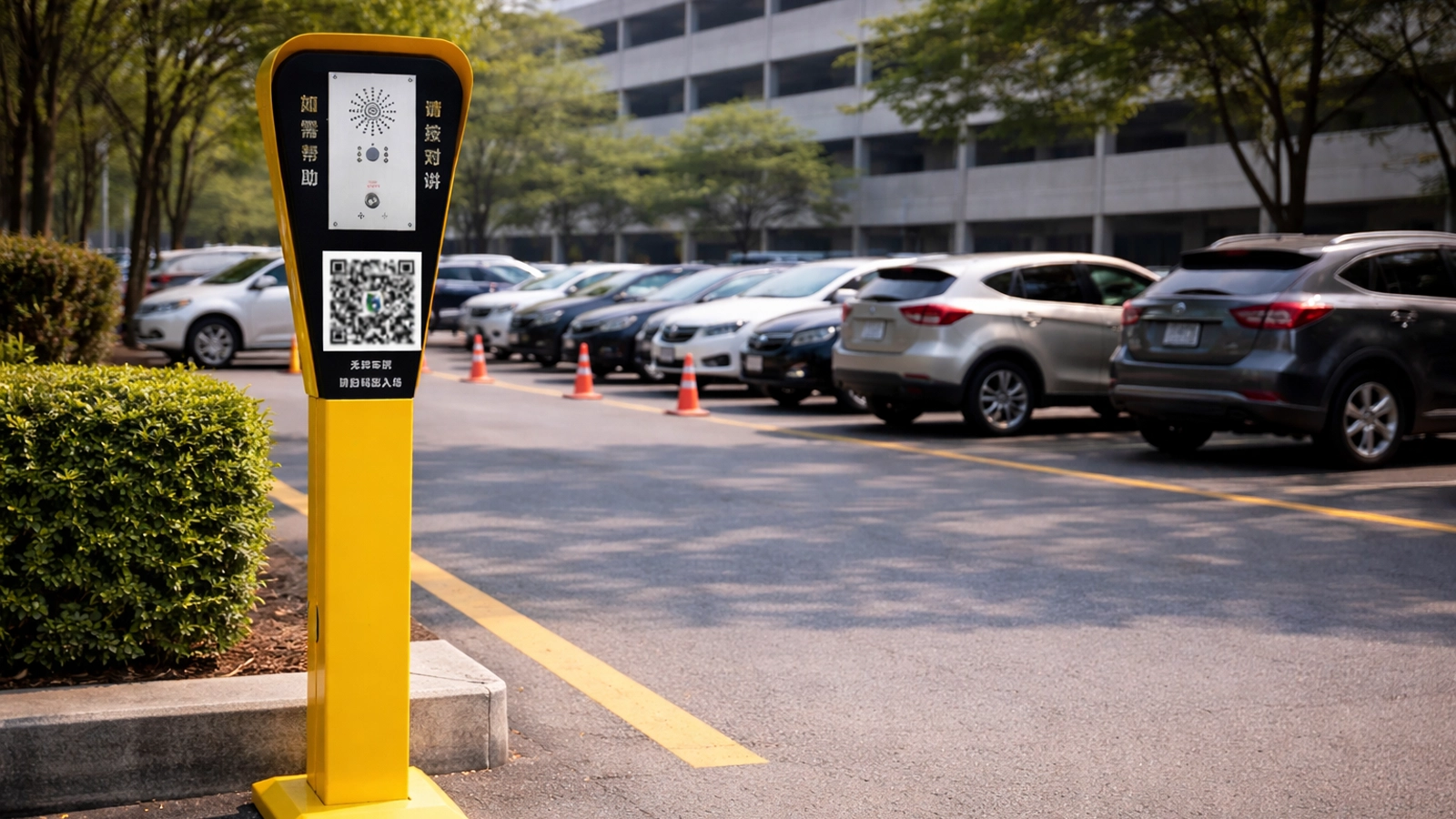

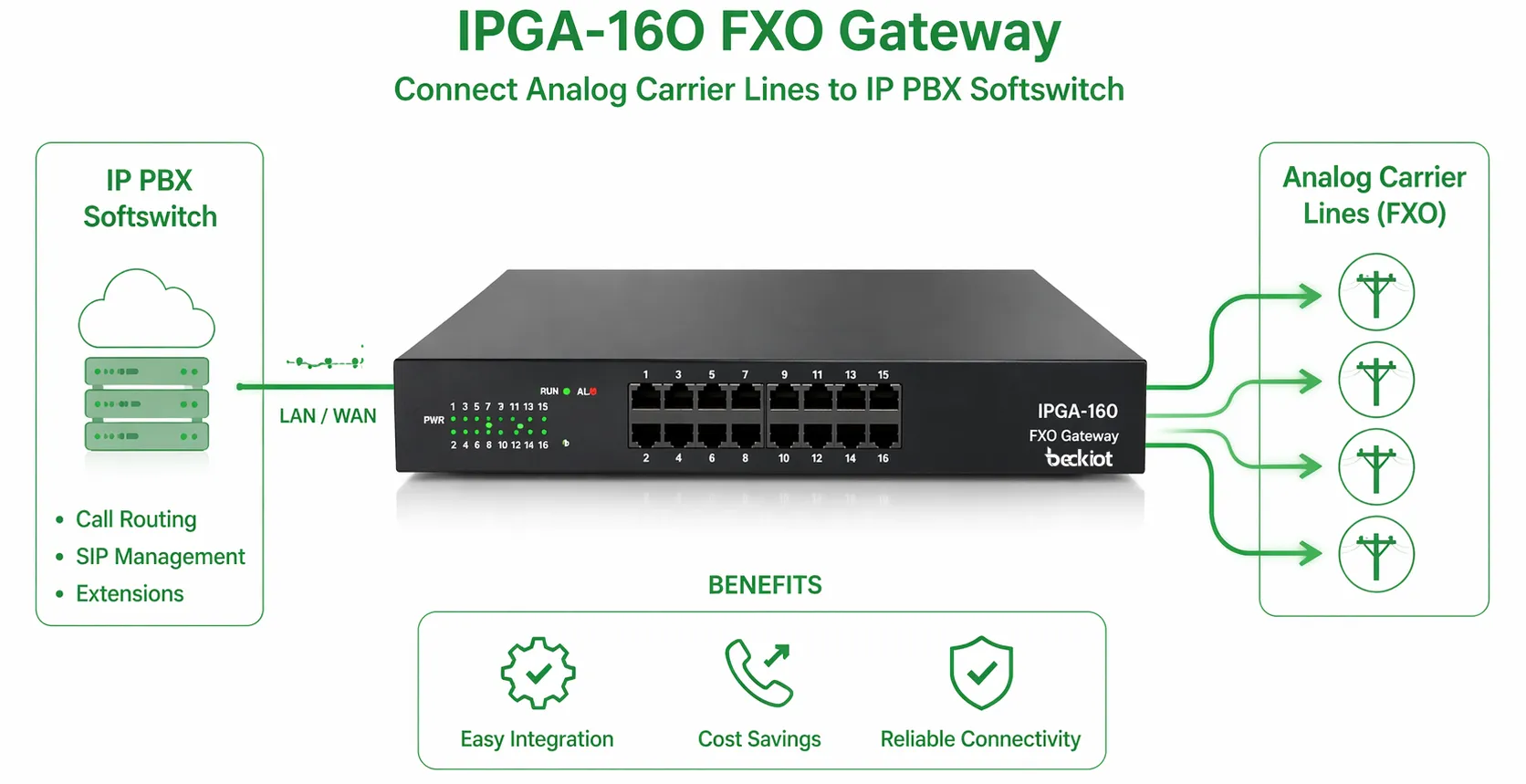
Becke IPGA-16O FXO 閘道器專為需要在現代 SIP 語音環境中取得穩定、高容量的類比中繼存取的組織所設計。具備 16 個 FXO 埠,非常適合將 PSTN 線路或類比 PBX 資源連接到 IP 電話平台,同時保持部署的實用性、擴展性與易於管理。
對於邁向混合通訊的企業,它提供了一種可靠的方式來保留現有的中繼資源,同時提升整體語音彈性。作為 Becke Telcom 的頂尖解決方案,此閘道器消除了傳統基礎架構升級時常見的障礙,提供清晰透徹的音質與企業級可靠度。
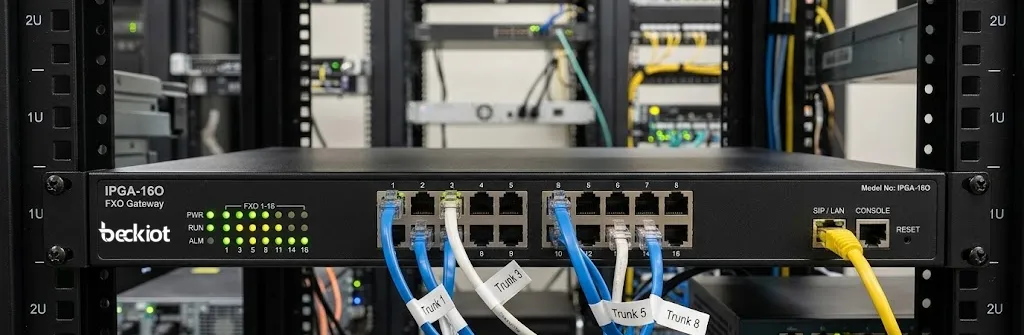
IPGA-16O 最大的產品優勢在於其 16 埠 FXO 容量。對於需要將更多電信線路或類比 PBX 中繼連接至 IP 語音系統,且不願轉換到更複雜平台的據點來說,它非常適用。這使得它極為適合不斷成長的企業與分散式通訊專案。
透過在單一可機架安裝的裝置中提供 16 個專屬埠,Becke Telcom 讓 IT 管理員能夠整合硬體。這減少了堆疊多台小型閘道器的需求,進而節省寶貴的機架空間,並簡化伺服器機房的纜線管理。
此外,這種高密度設計提供了內建的擴展性。組織可以從僅使用一小部分埠開始,隨著通話量與業務營運的擴展,無縫地啟用更多線路,確保投資的未來適用性。
此閘道器支援 SIP 與 IMS 環境,並設計為可與領先的軟體交換機、IP PBX 及 SIP 伺服器互通。這讓產品能更自然地融入多品牌語音部署,並讓系統整合商在設計混合通訊架構時擁有更大的彈性。
Becke Telcom 已針對包括 BroadSoft、3CX、Asterisk 和 FreePBX 在內的主流整合通訊平台,對 IPGA-16O 進行了嚴格的測試。這種有保障的相容性消除了複雜語音網路中常見的惱人協定轉換錯誤。
系統整合商從這種開放標準的做法中受益良多。它將企業從嚴格的供應商綁定中解放出來,使他們能選擇同級最佳的 IP PBX 軟體,同時仰賴 Becke 硬體來提供堅若磐石的實體中繼連線。
對許多組織而言,優先要務並非立即更換類比中繼資源,而是將這些資源更妥善地整合到現代語音網路中。IPGA-16O 透過協助保留運作中的 PSTN 存取,同時改善 SIP 端的路由、中央控制及擴展性,來支持此一目標。
它提供了一個極具成本效益的橋樑。企業可以在最大化其現有長期 PSTN 電信合約投資報酬率的同時,享受到次世代 VoIP 系統豐富的協作功能。
IT 部門可以隨著時間的推移,無縫地管理此過渡。與其冒險在一夕之間將整個電話系統「汰舊換新」,他們可以使用此閘道器,按照自己控制的步調,將分公司或部門遷移到 IP 電話系統。
一個強大的 16 埠 FXO 閘道器不僅應連接類比中繼。它還應幫助企業圍繞這些中繼,建立更靈活、更易於管理的通訊架構,確保無縫轉換,不會造成營運中斷。
IPGA-16O 支援彈性的路由與撥號計劃,使其更容易將閘道器適應於分公司通話需求、本地 PSTN 疏通、集中式通話政策以及多據點語音環境。這種彈性在實際部署中很重要,因為通話流程通常需要根據據點、成本或營運優先順序來最佳化。
管理員可以輕鬆地實作進階邏輯,例如基於時間的路由、來電號碼操控,以及基於前置碼的電信業者選擇。這確保了外撥通話會自動採用最符合成本效益的可用路由。
在 IP 網路中斷的情況下,這些智慧型路由規則將扮演關鍵的安全網角色。閘道器可設定為自動進行容錯移轉,並將內部流量透過本地銅線傳送出去,讓企業持續與外界保持聯繫。
此閘道器支援一套實用的商務通話功能,包括通話等待、通話轉接、來電轉駁、快速撥號、搜尋群組、勿擾模式、通話保留音樂、語音信箱指示以及三方通話。這些功能有助於產品作為完整商務電話工作流程的一部分運作,而不僅僅是一個簡單的存取裝置。
透過在硬體層級整合這些基本功能,IPGA-16O 確保了終端使用者能獲得順暢且熟悉的使用體驗。員工可以無縫地處理複雜的通話情境,提升整體工作場所的生產力與客戶服務品質。
在所有這些操作過程中,都能維持卓越的語音品質。憑藉先進的回音消除、動態抖動緩衝,以及對 G.729 等高壓縮語音編解碼器與標準 G.711 的支援,每通電話都保持清脆清晰。
此平台支援用於安全信令與媒體的 TLS 與 SRTP,以及電信級可靠度、嵌入式系統架構,和主/備 SIP 伺服器容錯移轉。這些能力使其成為需要可靠語音存取,以及在業務關鍵環境中具備更高營運韌性之組織的更佳選擇。
此外,本裝置配備了強大的內建防禦機制。這包括動態 IP 封鎖清單、反暴力破解攻擊防護,以及 SIP 存取控制,以保護您的內部網路免受惡意外部威脅。
冗餘是 Becke Telcom 的核心重點。此閘道器的架構會持續監控主 SIP 伺服器的健康狀態,並在偵測到異常時,立即將作用中的會話重新路由至備援伺服器,保證零中斷。
IPGA-16O 具備直覺的網頁管理介面,有助於降低設定複雜性,並提升日常管理效率。這讓安裝人員、經銷商及 IT 團隊能更輕鬆地完成部署,並維持一致的組態標準。
集中式儀表板提供連接埠狀態、通話中線路及硬體效能的即時監控。管理員無須瀏覽複雜的命令列介面,即可一目了然地掌握網路健康狀況。
韌體升級、紀錄匯出及組態修改皆可透過此安全圖形介面處理。多層級存取控制也允許組織將唯讀的故障排除權限指派給初級人員,同時將核心系統變更保留給資深工程師。
支援 SNMP、TR-069、自動化供裝、組態備份與還原,以及雲端式管理,可為管理多個據點的企業和服務供應商提升營運效率。這在分公司及多地點專案中尤其珍貴,因為遠端存取能節省時間並降低維護成本。
服務供應商可利用這些遠端功能進行零接觸大量部署。透過使用 TFTP、HTTP 或 HTTPS,數百台閘道器可在開機時,自動安全地從中央伺服器擷取其獨特的組態。
封包擷取和 syslog 整合等進階診斷工具,皆可完全透過遠端存取。當問題發生時,支援團隊可立即從總部隔離並解決問題,大幅減少昂貴的現場技術人員到訪。
藉由支援 IPv4、IPv6、QoS 及 VLAN 標記,此閘道器更容易部署在結構化的企業與電信業者網路中。它非常適合用於流量優先順序、邏輯分段和穩定語音品質為常規網路需求的環境。
語音流量優先順序 (QoS) 可確保進行中的通話絕不會受到同一網路上大量資料下載的影響。藉由嚴格排定 SIP 信令和 RTP 媒體串流的優先順序,延遲與抖動幾乎被消除。
雙堆疊 IPv4 與 IPv6 支援的納入,進一步突顯了此閘道器的現代化架構。隨著全球 IP 位址標準的演進,IPGA-16O 已做好萬全準備,無需任何硬體升級即可無縫轉換。
IPGA-16O 對於需要較大類比中繼容量,同時逐步轉向 SIP 通訊的中小企業用戶來說,是個絕佳選擇。它在埠密度、功能支援與易於管理的部署之間取得平衡,且沒有不必要的複雜性。
它讓成長中的公司能夠最大化其現有的 PSTN 投資。與其支付高昂費用來徹底改造外線,中小企業可以將其現有的銅線數位化,並有效率地將它們分配給辦公室各處的 IP 電話。
對於客服中心和客戶服務環境,此閘道器提供了可靠的類比中繼存取,同時能融入依賴路由彈性、會議功能和可靠通訊效能的更廣泛語音平台。
此閘道器可輕鬆處理大量同時進行的通話,而不會降低語音品質。它與基於 SIP 的 CRM 撥號器的緊密整合,使其成為對外行銷團隊和對內客服支援不可或缺的工具。
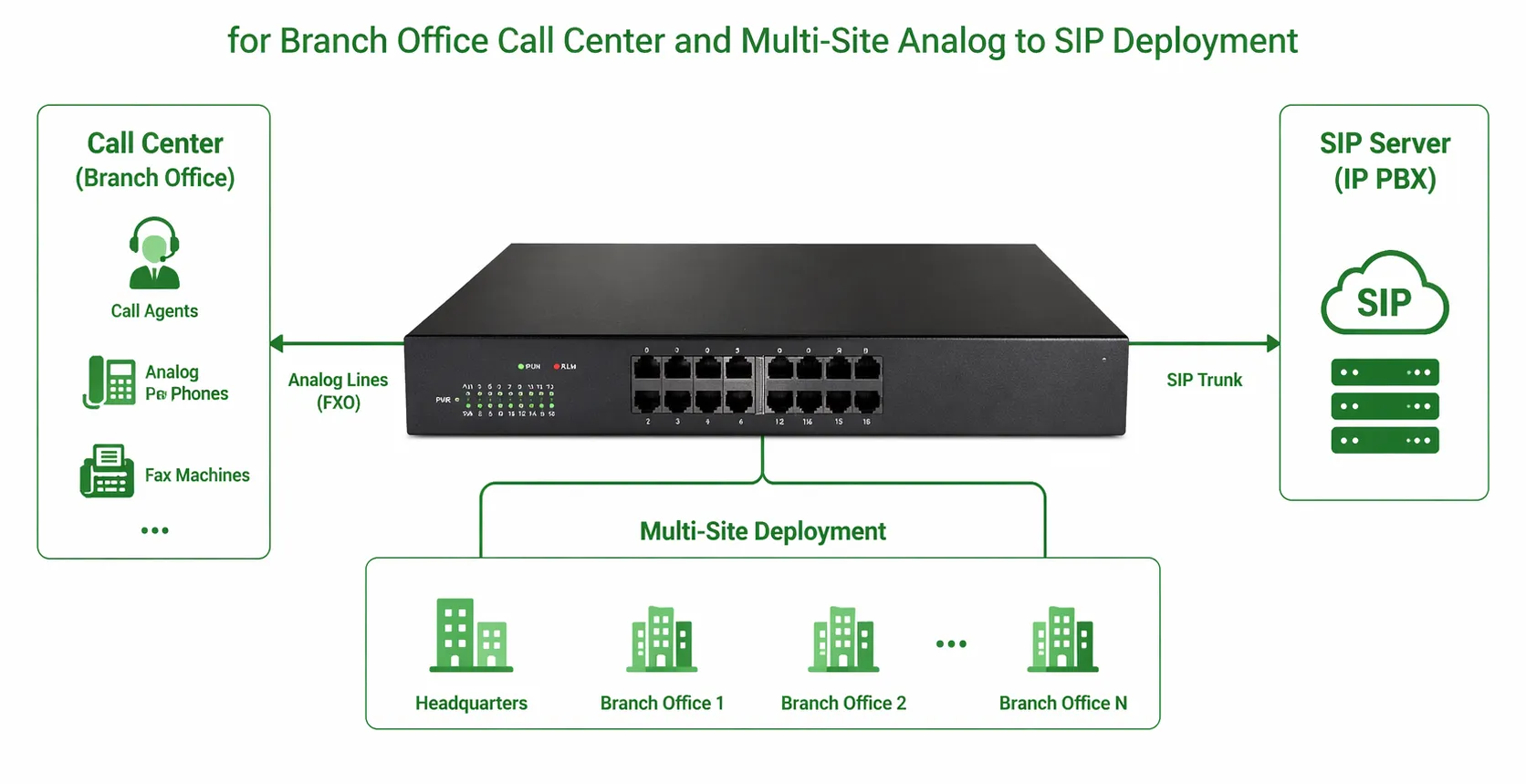
此閘道器非常適合需要本地 PSTN 存取,但仍希望保持與集中式 IP 語音架構連線的分公司和遠端據點。這有助於組織將本地存活能力與統一通訊控制相結合。
它保證了在最壞情況下的本地存活能力。如果通往公司總部的廣域網路 (WAN) 鏈路故障,分公司員工仍然可以利用連接到 IPGA-16O 的本地類比線路,撥打和接聽重要電話。
對於跨越多個分公司營運的企業,IPGA-16O 可透過將類比中繼資源引入更廣泛的 SIP 網路,來協助標準化混合語音存取。這使得擴展服務和維持一致性變得更容易,而無需強制立即更換仍能正常運作的線路基礎設施。
透過在 Becke IPGA-16O 上進行標準化,全球企業可以跨越地理界限強制執行統一的撥號計劃。分公司之間的內部通話可透過 IP 網路自由路由,而本地閘道器則管理當地 PSTN 疏導,以避免長途電話費用。
Becke Telcom 始終致力於提供企業級 VoIP 設備,以彌合傳統基礎架構與次世代整合通訊之間的鴻溝,為企業提供絕對的可靠度。
Becke IPGA-16O 的與眾不同之處,在於它將 16 個 FXO 類比中繼埠、強大的 SIP 互通性、彈性路由、實用的電話功能、安全的語音傳輸以及可擴展的遠端管理,全都整合在一個精巧的平台上。
對於需要更高中繼容量,卻不想增加不必要營運複雜性的買家而言,它在當前商業價值與長期遷移支援之間提供了絕佳平衡。選擇 Becke Telcom,組織即可確保擁有一台穩健、高效能的閘道器,能動態地適應現代企業通訊不斷演變的風貌。
其主要價值在於提供 16 個 FXO 埠用於類比中繼存取,同時將那些線路無縫整合到 SIP 和 IMS 通訊環境中。
這填補了傳統 PSTN 線路與現代 IP-PBX 系統之間的鴻溝,讓企業能在保留現有類比電信合約的同時,將內部電話網路升級至 VoIP。
它非常適合仍仰賴類比中繼資源的中小型企業、客服中心、分公司、遠端據點,以及擁有多個分公司的企業。
系統整合商和代管服務供應商也因其簡便的大量部署能力、高度相容性及強大的遠端管理工具,而認為它極為有益。
可以。它專為與領先的軟體交換機、IP PBX、SIP 伺服器,以及基於 IMS 或 NGN 的通訊系統互通所設計。
Becke Telcom 已確保與 BroadSoft、3CX、Asterisk 及各種開源 SIP 路由引擎等主要品牌的相容性,確保它能輕易融入幾乎任何網路拓樸。
是的。彈性路由和撥號計劃控制是其核心優勢之一,使其在混合、分公司及多據點語音部署中非常實用。
您可以設定基於前置碼的路由、依時段規則,以及備援路由參數,確保語音流量沿著最有效率且最具成本效益的可用路徑傳輸。
是的。它支援 TLS 和 SRTP,有助於在專業語音網路中保護信令與媒體流量。
此外,它還包含反 DDoS 功能、動態封鎖清單,以及嚴格的存取控制,以防止未經授權的存取,並抵禦常見的 VoIP 網路攻擊。
是的。網頁式管理、SNMP、TR-069、自動供裝、備份與還原,以及雲端管理支援,讓跨多個據點的部署和維護更為簡易。
這些工具讓 IT 管理員能自動地將組態推送至數百台裝置,最大限度地減少現場實體技術支援的需求,並降低營運負擔。
是的。對於需要本地 PSTN 存取,同時又與更廣泛的 SIP 通訊系統保持連線的分公司來說,這是一個實用的選擇。
它提供了至關重要的容錯移轉能力;若通往總公司的網際網路連線中斷,分公司仍可透過連接的 FXO 線路撥打緊急和本地通話。
當據點需要更高的類比中繼容量、更容易的擴展性,以及對多線路商務通訊情境的強大支援時,16 埠 FXO 閘道器是更合適的選擇。
堆疊多台較小的閘道器可能會導致纜線雜亂、耗電量增加及管理複雜。一台 16 埠的裝置整合了硬體,提供了更簡潔且專業的解決方案。
| 項目 | 規格 |
|---|---|
| 產品型號 | IPGA-16O FXO 閘道器 |
| 語音介面 | 16× FXO 埠 (RJ11×16) |
| 乙太網路介面 | 4× 10/100/1000Mbps RJ45 埠 |
| USB 介面 | 1× Mini USB 埠 |
| 同時通話數 | 16 線路 |
| 支援的通訊協定 | SIP/IMS、DHCP、TCP/UDP、HTTP/HTTPS、TLS、ARP/RARP、DNS、NTP、TFTP、SRTP、TELNET、STUN、TR-069、SNMP |
| 音訊編解碼器 | G.711a/u、G.723、G.729A/B、iLBC、AMR |
| DTMF 模式 | In-band、RFC2833、SIP INFO |
| 回音消除 | 硬體 AEC |
| IP 模式 | IPv4/IPv6 |
| VPN | 支援 VPN 用戶端 |
| 防雷保護 | 等級 4 |
| 重置按鈕 | 按住 8 秒可恢復原廠設定 |
| 狀態指示燈 | PWR、RUN、ALM、網路、FXO 線路狀態 |
| 產品尺寸 | 440×44×202 公釐 |
| 淨重 | 2.7 公斤 |
| 操作溫度 | 0°C ~ 45°C |
| 儲存溫度 | -20°C ~ 85°C |
| 操作濕度 | 8% ~ 90% 無凝結 |
| 儲存濕度 | 8% ~ 90% 無凝結 |