
IndustryInsights
Voice communication has moved far beyond the limits of traditional phone lines. A modern VoIP system allows businesses to place and receive calls over IP networks, while also supporting softphones, IP desk phones, mobile extensions, conferencing, routing, and integration with broader communication tools. Instead of treating voice as a separate utility, organizations can make it part of a more flexible digital infrastructure.
That shift matters because communication is no longer confined to one office, one wiring closet, or one carrier connection. Teams work across headquarters, branch offices, warehouses, campuses, control rooms, and remote locations. In that environment, a VoIP platform gives businesses a more scalable way to manage calls, users, and services without being tied to the limitations of legacy telephony.
A VoIP system is not just a replacement for old phone lines. It is the communication layer that connects people, devices, and business workflows across an IP network.
VoIP stands for Voice over Internet Protocol. A VoIP system converts voice into digital data packets and transmits them through an IP network rather than through the circuit-switched public telephone network used by traditional phone systems. In practical terms, this means your business calls can travel over the same network foundation that already supports data, video, and cloud applications.
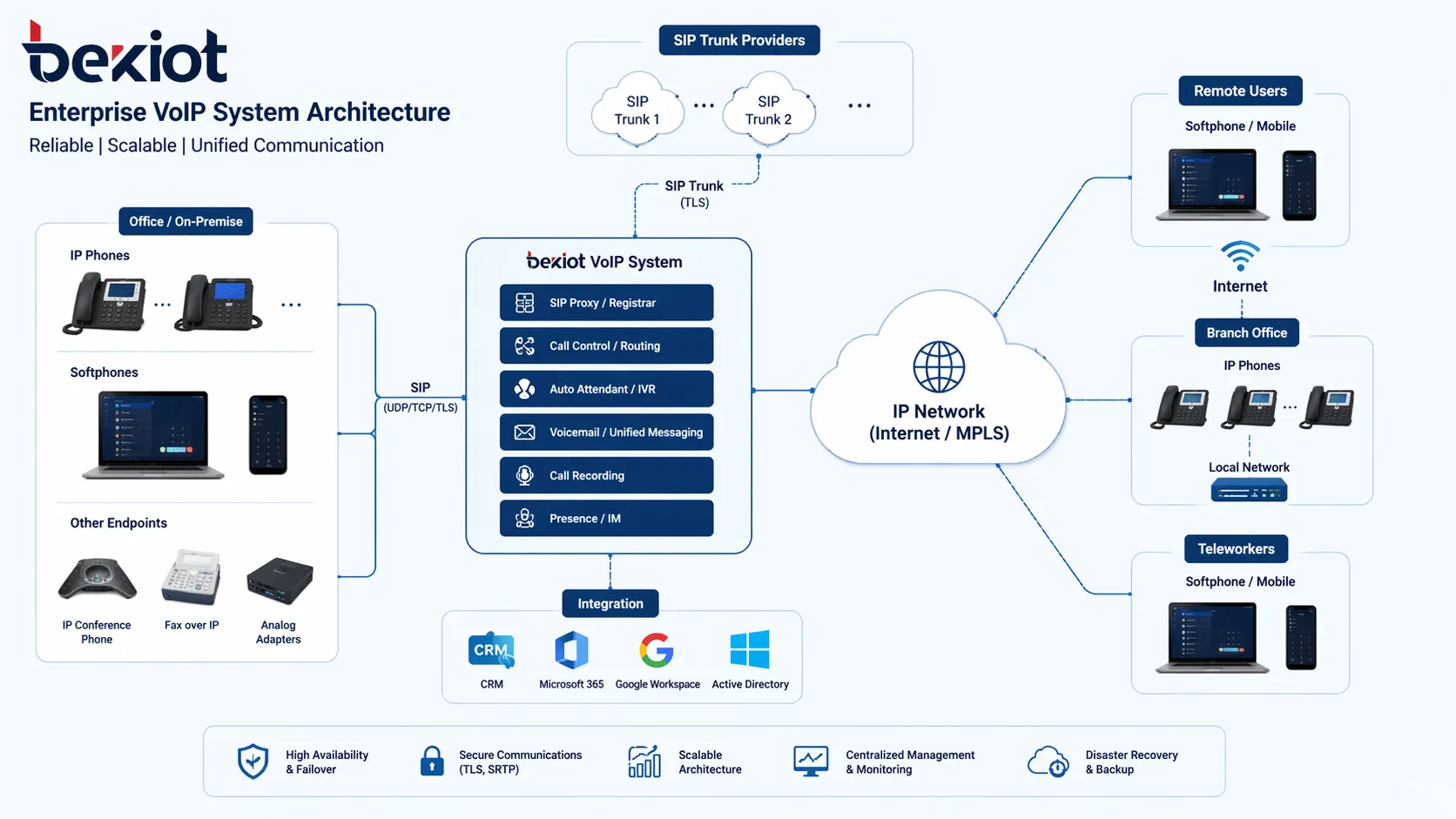
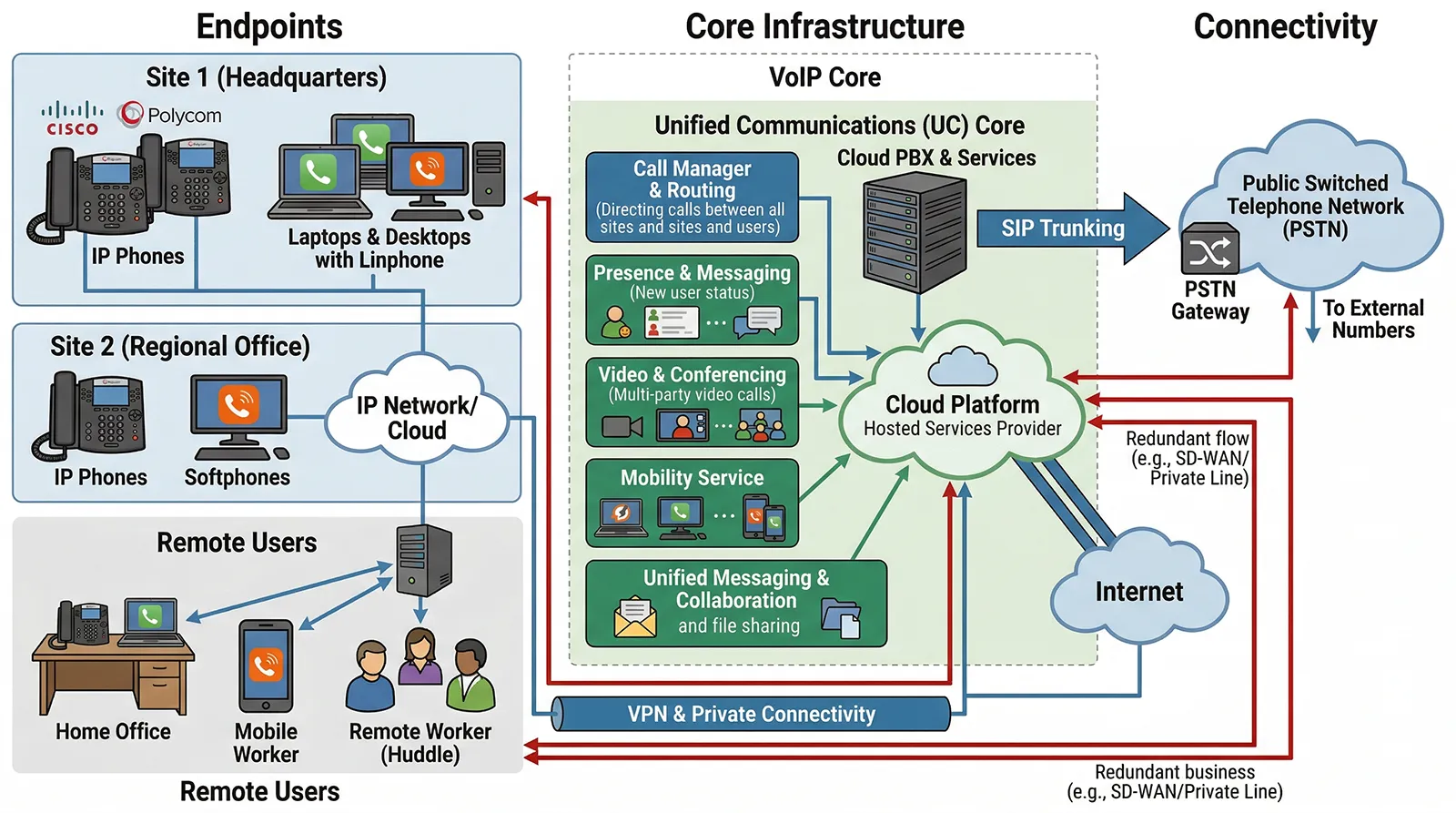
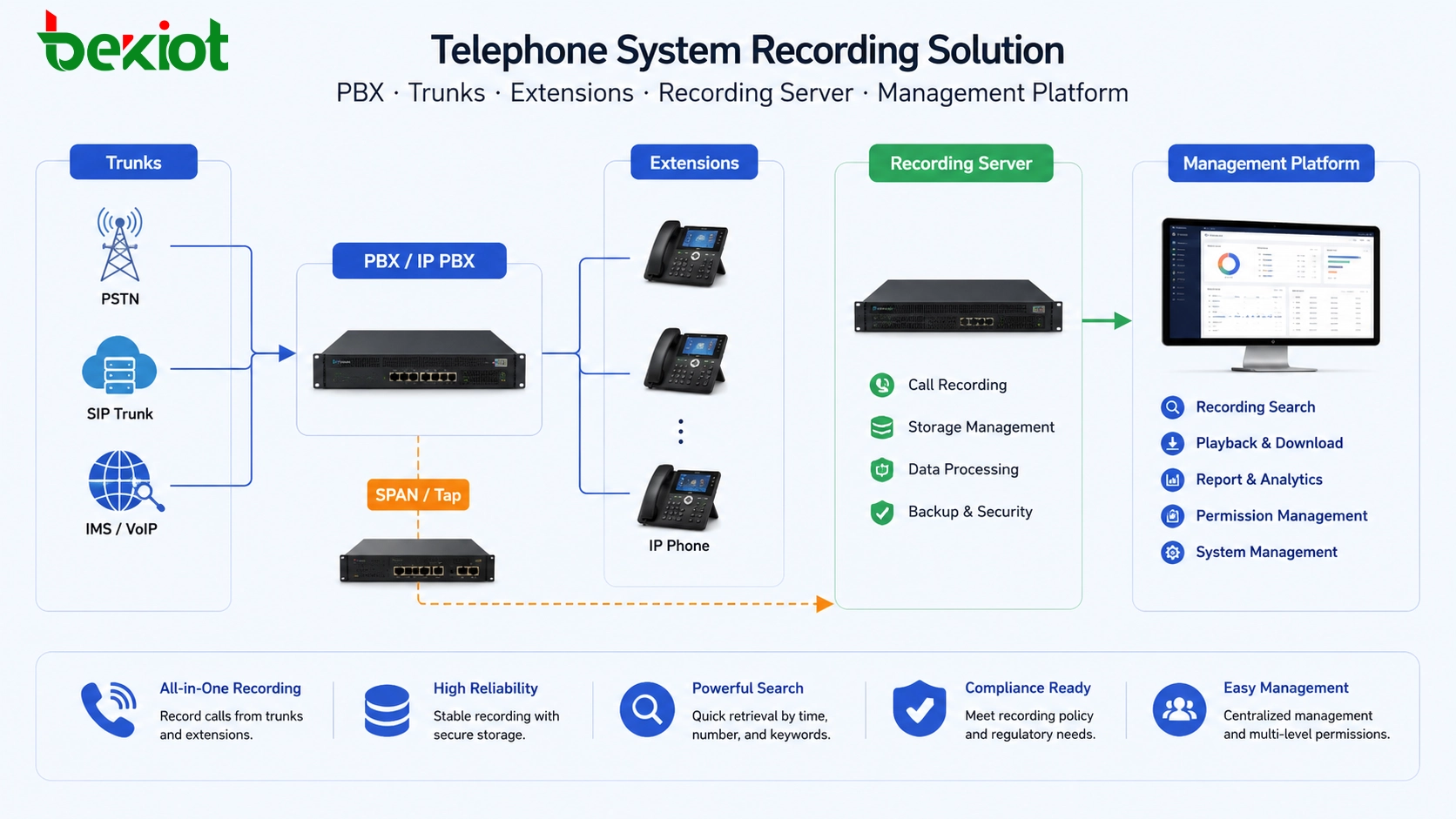
In a small deployment, that may simply mean a few IP phones connected to a broadband connection. In a more advanced environment, a VoIP system can include a call control platform, SIP trunks, remote users, mobile clients, gateways, conferencing, voicemail, call recording, paging, intercom, and integration with monitoring or dispatch tools. This broader architecture is one reason VoIP has become central to modern business communication design.

At a high level, a VoIP system takes a person’s voice, digitizes it, sends it through an IP network, and reconstructs it at the receiving end. The process sounds simple, but it depends on several coordinated functions working together in real time.
When a user speaks into an IP phone, headset, video phone, or softphone, the device captures the analog sound and converts it into digital audio. Audio codecs then compress the stream so that it can be transported efficiently while preserving usable call quality. Better codec selection can improve clarity and reduce bandwidth usage, especially in busy business environments.
Before a conversation can begin, the system has to register endpoints and establish the call path. In most business deployments, this is handled by SIP, the Session Initiation Protocol. SIP manages registration, call setup, ringing, answering, transfer behavior, and session teardown. Because SIP is widely supported, it also makes interoperability easier between phones, platforms, trunks, and integrated systems.
Once the session is established, the audio stream is broken into packets and sent across the IP network. Those packets may travel through a local office LAN, a private WAN, the internet, or a hybrid network design. The system does not need a dedicated physical line for each call in the way legacy telephony often did. Instead, it uses network resources dynamically.
At the other end, the receiving device collects the packets, places them in the right sequence, decodes the audio, and plays the sound back to the listener. To keep conversation natural, the system must manage jitter, delay, packet loss, and echo. This is why network quality and endpoint design still matter even though VoIP is software-driven.
Behind the conversation, a VoIP server or IP PBX controls the logic of the call. It decides which extension should ring, applies call rules, handles voicemail, manages call forwarding, and can support queues, conferencing, ring groups, and other features. In more advanced deployments, the same platform may also coordinate recording, paging, intercom, video, or external integrations.
VoIP works because voice becomes data, and once voice becomes data, it can be routed, managed, secured, and integrated much more flexibly than in a traditional phone environment.
IP desk phones remain common in offices, reception areas, control rooms, and shared workspaces. Softphones extend the same calling experience to laptops, tablets, and smartphones. Together, they let businesses support both fixed and mobile users under one communication model.
The VoIP server or IP PBX is the control core of the system. It manages user registrations, extension logic, call routing, feature policies, and service continuity. Depending on the design, it may be deployed on-premises, in a private cloud, or in a hosted environment.
SIP trunking connects the VoIP system to external calling networks. Instead of relying on legacy telephone lines, businesses can use SIP trunks to reach outside numbers, support inbound and outbound calling, and scale capacity more efficiently.
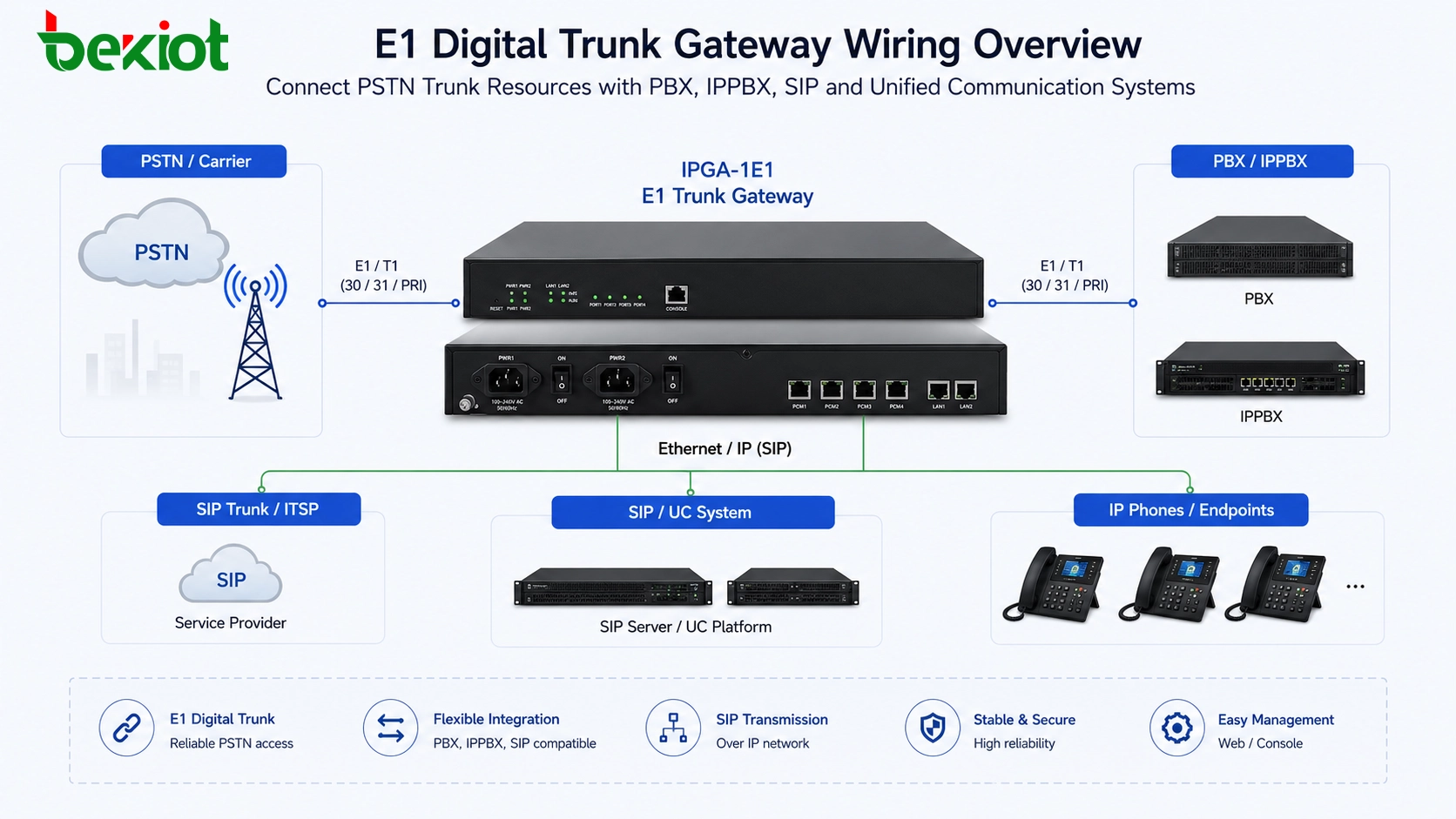
Many organizations still need to connect older systems, analog devices, or specialized communication platforms. Gateways make that possible. They can bridge VoIP platforms to PSTN lines, analog endpoints, radio systems, paging devices, or other infrastructure that still plays a role in daily operations.
No VoIP system performs well without a stable underlying network. Switches, routers, wireless coverage, bandwidth planning, and QoS policies all influence call performance. VoIP is flexible, but it is only as dependable as the network carrying the traffic.

Traditional phone systems often require dedicated circuits, specialized maintenance, and more rigid expansion planning. VoIP replaces that model with a network-based architecture that is easier to adapt as business needs change. For many organizations, that means simpler scaling and a cleaner migration path from older voice infrastructure.
Employees no longer all sit in one building. Some work at headquarters, some in branch offices, some in industrial or field environments, and some remotely. A VoIP system can keep those users on the same extension plan and communication framework, which improves reachability and business continuity.
Adding users to a legacy phone environment could require significant hardware changes or additional line provisioning. In a VoIP environment, businesses can usually add extensions, devices, or remote sites more quickly. That flexibility becomes especially important for growing organizations or multi-site operations.
Modern communication is not just about voice. Businesses increasingly want phone systems to interact with video, intercom, paging, CRM tools, contact center platforms, alarm workflows, or control applications. Because VoIP is based on IP and often on open SIP-based interoperability, it is better positioned to support these integrations than older isolated systems.
Administrators can often manage users, extensions, permissions, firmware, and service policies from a centralized interface. That reduces operational friction and helps IT teams maintain consistency across devices and locations. For larger businesses, centralized visibility is one of the strongest long-term advantages of VoIP.
The difference between VoIP and traditional telephony is not only about cost. It is also about architecture. Traditional systems are built around dedicated voice lines and tightly bound hardware models. VoIP systems are built around IP connectivity, software control, and flexible endpoint access.
In a traditional environment, adding capacity often means adding physical lines or dedicated cards. In a VoIP environment, expansion can be more software-led and network-led. Traditional systems can still make sense in some legacy scenarios, but for businesses that need mobility, multi-site communication, integration, or future scalability, VoIP is usually the more adaptable foundation.
For standard business office use, VoIP supports extension dialing, auto attendants, voicemail, conferencing, and day-to-day external calling. It is the most familiar use case and still one of the most important.
Companies with branch offices, regional teams, warehouses, or satellite locations often use VoIP to bring users into one dialing plan and one administrative framework. That creates a more unified experience across the business.
Softphones and mobile clients make it possible for staff to stay reachable without being tied to a desk phone. This helps remote employees maintain a professional business presence while remaining part of the company’s overall communication system.
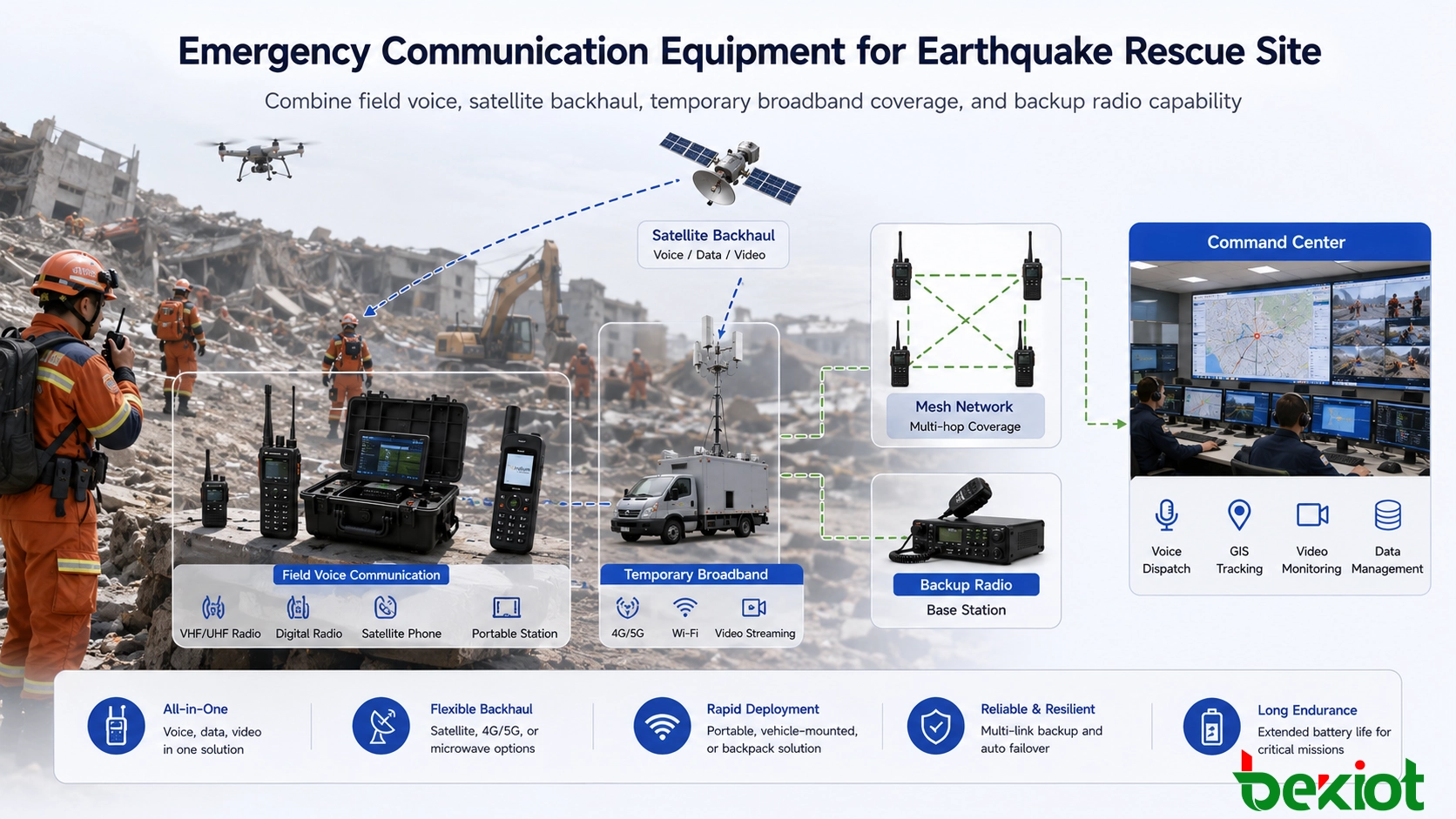
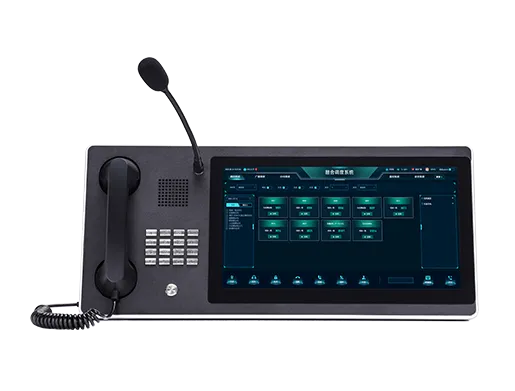
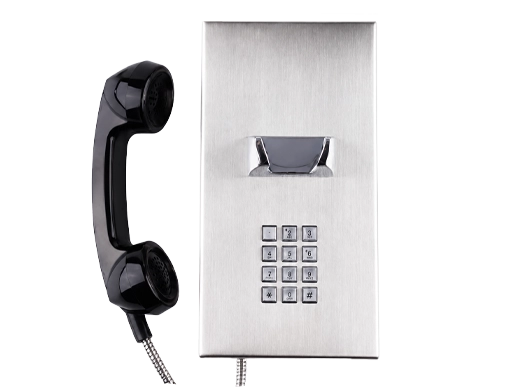
In more advanced deployments, VoIP can also support communication beyond the typical office. It can work alongside SIP intercom, IP paging, emergency help points, dispatch consoles, or integrated video communication. That makes it relevant not only to offices, but also to campuses, industrial facilities, transport sites, and service environments.

A SIP-based design makes it easier to connect phones, trunks, and third-party platforms. Businesses should pay close attention to whether a system is built on open standards or whether it creates unnecessary lock-in.
Call clarity remains essential. Look for support for wideband audio, echo cancellation, and noise reduction, especially in environments where background noise or hands-free calling are common.
Some businesses want an on-premises IP PBX. Others prefer private cloud or hosted deployment. Many need a hybrid design. A strong VoIP solution should fit the business model rather than force a one-size-fits-all architecture.
If the business expects to connect paging, intercom, video, mobile apps, gateways, or external software, the VoIP platform should support that direction from the start. Integration is often what separates a short-term phone replacement from a long-term communication platform.
The right system should be easy to maintain today and still capable of handling future expansion. That includes user growth, site growth, feature growth, and evolving workflow requirements.
The best VoIP system is not simply the one that makes calls. It is the one that fits how your business communicates now and how it expects to communicate next.
VoIP systems matter because they turn business telephony into a flexible, network-based service that can grow with the organization. They improve scalability, support remote work, simplify multi-site communication, and create better integration opportunities than traditional line-based phone systems.
For businesses evaluating communication infrastructure, understanding how VoIP works is the first step toward choosing a system that supports both present operations and future expansion. Whether the requirement is simple office calling or a broader unified communication environment, VoIP has become the foundation that many modern organizations build on.
A traditional phone system relies on dedicated telephone lines and circuit-switched infrastructure. A VoIP system sends voice as digital packets over an IP network, which makes it easier to scale, manage, and integrate with other communication tools.
Not always. A VoIP system requires an IP network, but that can be a local business network, a private WAN, or an internet-connected environment. External calling and remote connectivity often depend on internet or service-provider access, while internal calls can work within a local network design.
Common devices include IP desk phones, video phones, softphones on computers, mobile clients, and SIP-based communication endpoints. Some systems can also connect to analog devices or older telephony infrastructure through gateways.
No. VoIP is widely used in offices, but it can also support campuses, hospitality sites, industrial operations, transport environments, and other locations where network-based voice communication and system integration are important.
SIP is the signaling protocol used by many VoIP deployments to register devices, establish calls, and connect different systems. Because it is widely adopted, it helps improve interoperability and gives businesses more flexibility in system design.