
IndustryInsights
In security, facility management, transportation, and industrial communications, the terms call box, intercom, and emergency phone are often used as if they mean the same thing. They do not. While all three devices support two-way communication, they are designed for different users, different environments, and different operational goals.
A call box is typically installed where people may need immediate assistance in public or semi-public spaces. An intercom is commonly used where controlled communication and access management are required. An emergency phone is built for urgent, highly reliable communication in critical or high-risk environments, including transport infrastructure and industrial sites.
For consultants, integrators, and end users, understanding these distinctions matters. The right choice affects response time, user experience, maintenance expectations, integration design, and long-term system performance. This guide explains what each device is, where it fits best, and how to choose the right option for your application.
At first glance, the confusion is understandable. A wall-mounted call box, a door intercom, and an emergency telephone may all include a speaker, microphone, call button, and network connection. From a distance, they can look similar. In a specification sheet, they may even share some overlapping terms such as SIP communication, hands-free calling, or weather resistance.
The real difference lies in the purpose of the interaction. Who is using the device? Is the user requesting help, verifying identity, managing entry, reporting an incident, or initiating a priority emergency call? The answer determines whether the correct endpoint is a call box, an intercom, or an emergency phone.
The best communication device is not defined by appearance alone. It is defined by the urgency of the task, the environment in which it operates, and the workflow it must support.
A call box is a fixed communication point designed to let a person quickly reach security staff, customer service personnel, building management, or an emergency response team. It is usually placed in locations where a user may need assistance without prior training or system familiarity.
Call boxes are built around speed and simplicity. Many models use a single press-to-call button, clear audio, status indicators, and a highly visible form factor. In more advanced systems, a call box may also include a camera, integrated lighting, remote monitoring functions, and connectivity to recording or dispatch software.
The primary function of a call box is to provide a visible and intuitive point of contact. It serves people who may be under stress, unfamiliar with the site, or in need of immediate support. In many environments, the goal is not to navigate a menu or complete a complex interaction. The goal is to get help quickly.
That is why call boxes are common in parking facilities, campuses, roadside infrastructure, transit platforms, pedestrian walkways, and other public-facing environments. They are especially valuable where security presence is centralized and users need a reliable way to connect to it.
Depending on the application, a call box may support audio-only or audio-and-video communication. It may include a camera for visual verification, LED indicators for call status, and enclosure ratings suited to outdoor use. In some deployments, call boxes are paired with signage or beacon lighting so they can be located quickly in an emergency.
In an IP-based system, a modern call box can also integrate with CCTV, event logging, recording, dispatch consoles, and centralized monitoring platforms. This turns the device from a standalone help point into an active part of the broader security and response workflow.
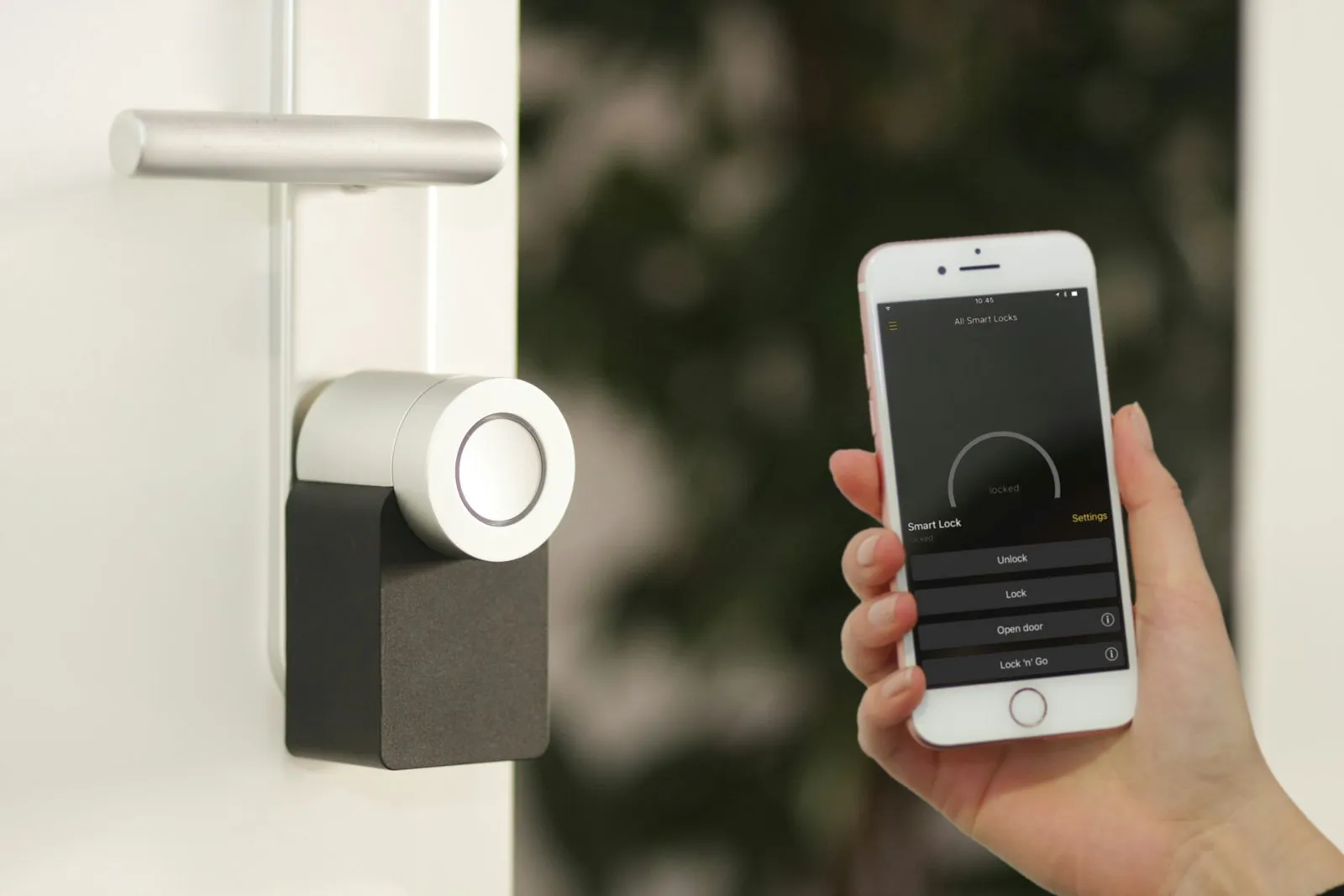
An intercom is a two-way communication device or system designed for controlled interaction between defined points. While it can be used for assistance, its most common role is managing communication at an entrance, gate, secure zone, or operational checkpoint.
Intercoms are widely used in commercial buildings, apartments, logistics facilities, schools, hospitals, industrial plants, and controlled-access environments. Unlike a general-purpose call box, an intercom is often part of a daily workflow rather than a device used only during unusual events.
The core function of an intercom is structured communication. In many installations, that means a visitor presses a button, speaks to a receptionist or occupant, and is either granted or denied access. In industrial and operational settings, it may mean direct voice communication between a field point and a control room.
Because of this, intercoms are often expected to do more than simply place a call. They may need to authenticate users, support video verification, trigger door release, connect to indoor monitors, and maintain clear records of communication events.
Intercoms perform best where communication is linked to access management, verification, and routine operations. Office entrances, apartment lobbies, school gates, warehouse entry points, and restricted technical rooms are all common examples. In these scenarios, the conversation itself is only part of the process. The larger function includes deciding who may enter and under what conditions.
This is why intercom systems are frequently integrated with access control, video surveillance, mobile apps, and building management workflows. Their value is not limited to audio communication. It lies in how effectively they support secure and accountable interaction.
An emergency phone is a dedicated communication endpoint designed for urgent, dependable contact in safety-critical situations. It is built to work when speed, clarity, and reliability matter most. In many projects, the emergency phone is not just another endpoint. It is part of the site’s core life-safety and incident response strategy.
Emergency phones are common in tunnels, highways, rail systems, factories, refineries, utility corridors, ports, and marine environments. They are also used in public infrastructure where communication must remain available under stress, noise, weather exposure, or other demanding conditions.
The defining characteristic of an emergency phone is direct access to help during a critical event. The user is not typically trying to manage entry, request routine service, or engage in general communication. The purpose is immediate contact with a control room, dispatcher, security team, or emergency response unit.
In many designs, the interaction is intentionally simplified. A handset, a hotline button, or an auto-dial function reduces delay and removes unnecessary steps. This simplicity is an advantage in high-pressure environments where every second matters.
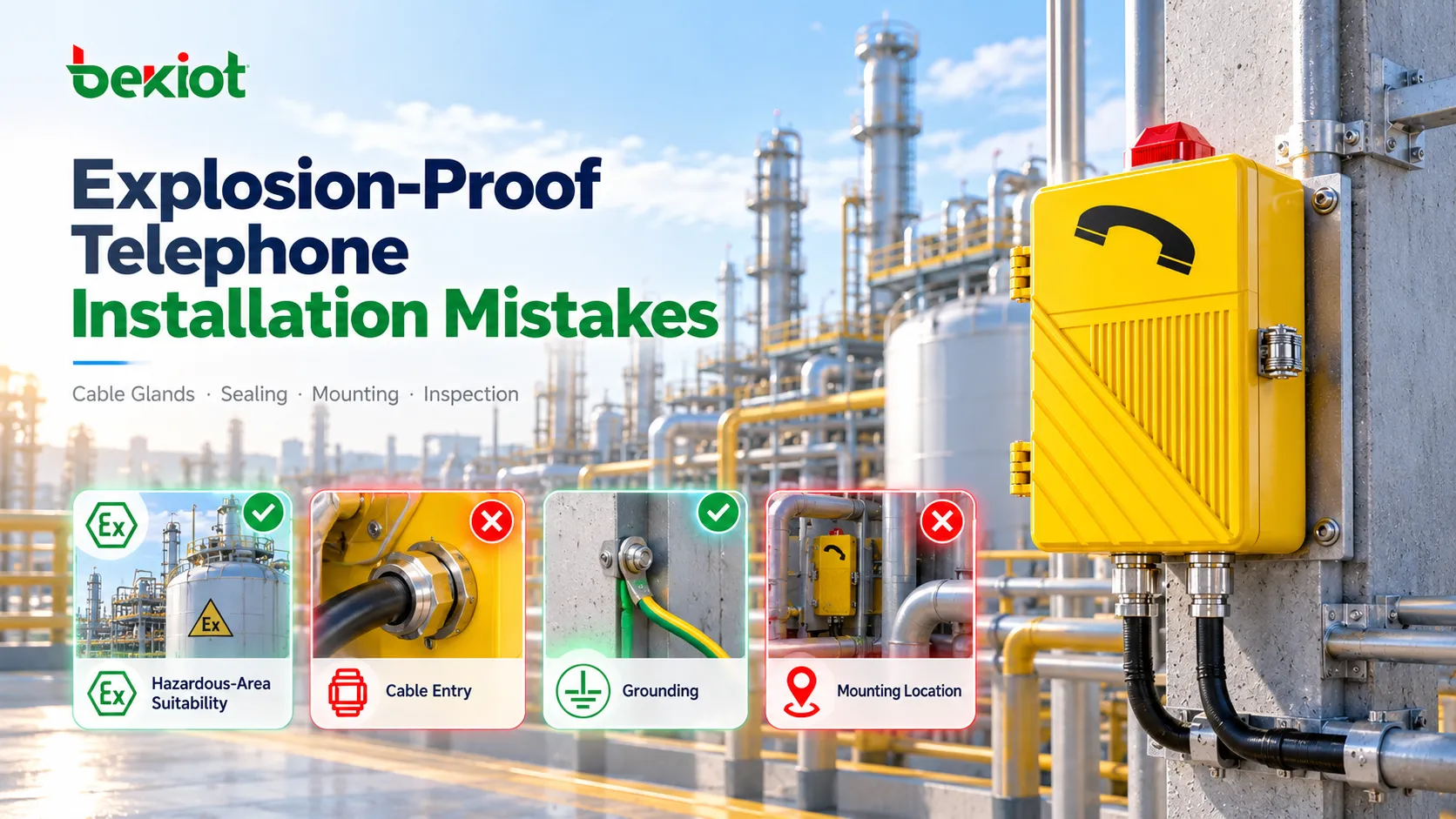
Emergency phones are often specified for harsh environments where consumer-grade or standard commercial devices would not survive. They may need high ingress protection, corrosion resistance, impact resistance, loud acoustic performance, and compatibility with high-noise areas. In hazardous industries, explosion-proof versions may also be required.
As a result, emergency phones are usually selected not for convenience features, but for survivability and dependable operation. Their design priorities are closer to industrial communications engineering than to standard building entry communications.
A call box is primarily used by someone who needs assistance. An intercom is typically used by someone who needs to communicate with a controlled destination, often to request access or verify identity. An emergency phone is used by someone facing a potentially urgent or hazardous situation that requires immediate communication.
This distinction is fundamental. The user of a parking lot help point behaves differently from a visitor at a secure building entrance, and both behave differently from a worker reporting an emergency in a tunnel or processing area.
Call boxes are most common in open or public-facing environments. Intercoms are typically deployed at entry points, control points, and managed facilities. Emergency phones are most often found in transport, industrial, infrastructure, and hazardous environments where reliability under adverse conditions is essential.
Although there can be overlap, the surrounding conditions usually point clearly toward one device type. A university walkway, an apartment lobby, and an offshore platform do not have the same communication requirements, even if all three require voice contact.
A call box generally feeds into a help, security, or response workflow. An intercom feeds into a communication-and-access workflow. An emergency phone feeds into an alarm, dispatch, or incident response workflow. That difference affects everything from call routing logic to interface design and operator training.
When specifying a system, this workflow perspective is often more useful than a purely hardware-based comparison. The device should support the operational process, not force the process to adapt to the device.
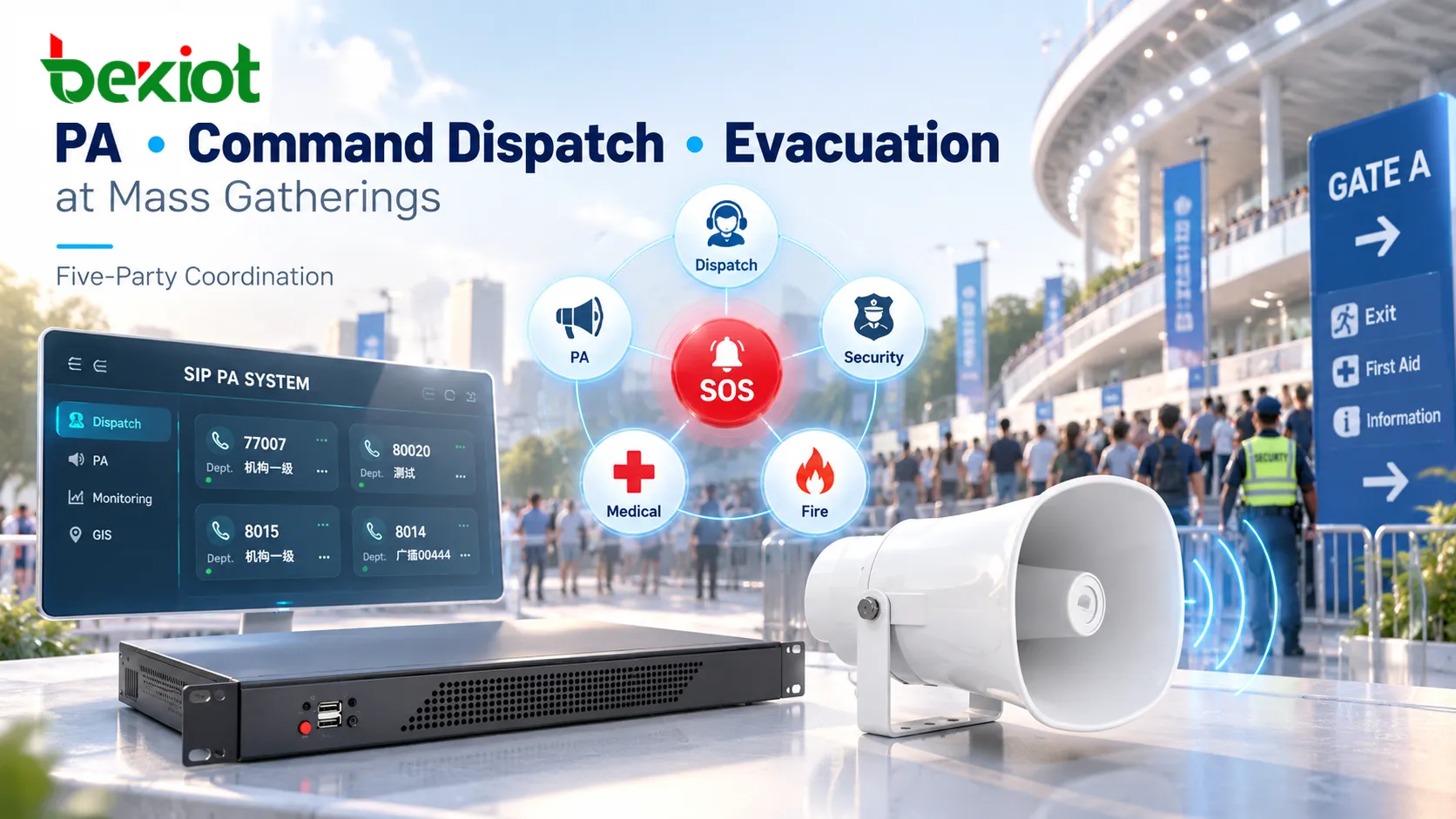
Intercoms are commonly integrated with access control, video, indoor stations, and mobile credentials. Call boxes are often linked with security monitoring, CCTV, event recording, and incident management. Emergency phones are frequently tied to dispatch consoles, public address systems, radio interoperability, alarm workflows, and centralized command functions.
All three can operate on SIP and IP networks, but the surrounding ecosystem differs. Successful integration depends on understanding which operational systems the endpoint must support.
Call boxes prioritize visibility and ease of use. Intercoms prioritize interaction quality and entry management. Emergency phones prioritize robust performance, direct communication, and resilience in difficult conditions.
That is why these products should not be treated as interchangeable. Even when two devices share a similar enclosure style, their design philosophy may be entirely different.
| Category | Call Box | Intercom | Emergency Phone |
|---|---|---|---|
| Primary purpose | Public or user assistance | Controlled two-way communication | Urgent and safety-critical communication |
| Typical users | Visitors, drivers, passengers, public users | Visitors, staff, residents, operators | Workers, responders, public users in emergencies |
| Typical environment | Campus, parking, roadside, station, public zone | Entrances, gates, secure areas, managed buildings | Industrial, tunnel, transport, marine, hazardous sites |
| Integration focus | Security monitoring, CCTV, dispatch | Access control, video verification, remote unlock | Dispatch, PA, alarms, emergency workflows |
| Design priority | Simplicity and visibility | Interaction and access management | Reliability and durability |
If the device will be used by students, visitors, passengers, drivers, or members of the public, a call box is often the right choice. It works well where the user may need help quickly and cannot be expected to navigate a complex interface. Parking garages, campuses, public walkways, transportation facilities, and open commercial sites are typical examples.
It is also the right fit when visibility matters. In many security strategies, the presence of call boxes improves both response capability and user confidence because assistance points are clearly identified across the site.
If the communication point is tied to a gate, lobby, reception area, secure entrance, loading zone, or controlled room, an intercom is usually the correct solution. In these cases, the interaction is not simply about asking for help. It is about managing identity, permission, and access.
Intercoms are especially valuable where video verification, remote unlock, call transfer, or mobile access workflows are required. They support day-to-day operations as much as they support security.
If the location is noisy, remote, exposed, industrial, or hazardous, an emergency phone is often the best choice. This is particularly true where the device must remain available during incidents, operate in difficult conditions, and connect users directly to trained response personnel.
For tunnels, process plants, utility sites, offshore platforms, railway infrastructure, and heavy industrial facilities, emergency phones provide a level of ruggedness and communications assurance that standard intercom or public call box products may not deliver.
Absolutely. In fact, many of the best-designed communication systems do exactly that. A campus may use call boxes along pedestrian paths, intercoms at residence hall entrances, and emergency phones in utility or service areas. A transportation hub may use help points in public zones, intercoms at restricted doors, and emergency telephones in operational corridors or tunnels.
This layered approach reflects how real sites function. Different spaces have different users, risks, and workflows. A one-device-fits-all strategy usually creates compromises. A multi-endpoint strategy, built on a unified SIP or IP platform, produces better usability and stronger operational coverage.
While the endpoints are different, modern communication projects increasingly bring them together under one architecture. This is where integrated IP communication design becomes important. Instead of deploying isolated systems, organizations can connect call boxes, intercoms, emergency phones, CCTV, paging, alarms, and dispatch software through a centralized platform.
This approach improves visibility, simplifies management, and creates more consistent incident handling. Operators can receive calls, view associated video, broadcast instructions, escalate alarms, and coordinate response actions from a single interface. The result is not just better communication, but better operational control.
A well-designed communication system does more than connect one person to another. It connects field events to decisions, decisions to response teams, and response teams to the wider operational environment.
For organizations that need a more unified approach, Becke Telcom provides integrated communication solutions that bring together SIP call boxes, IP intercoms, industrial emergency phones, paging systems, dispatch consoles, and centralized monitoring platforms.
This makes it possible to support different communication needs across one site or across multiple facilities without fragmenting the overall architecture. Public help points, controlled entry communication, and rugged emergency communications can all be managed as part of the same system strategy.
For campuses, parking environments, transport infrastructure, industrial operations, tunnels, utilities, and other critical sites, this converged model offers a practical path toward faster response, stronger visibility, and better long-term scalability.
Call boxes, intercoms, and emergency phones all support two-way communication, but they are not interchangeable. A call box is best suited for accessible help points in public or semi-public spaces. An intercom is best suited for managed communication where access control and verification are part of the workflow. An emergency phone is best suited for urgent communication in demanding or safety-critical environments.
The right choice depends on who will use the device, what they need to accomplish, how quickly communication must occur, and what conditions the device must withstand. In many modern projects, the strongest solution is not choosing only one type, but combining all three where appropriate under a single integrated platform.
No. A call box is primarily intended to let users request help quickly, usually in public or semi-public spaces. An intercom is typically used for controlled communication, especially where visitor management or access control is involved.
Yes, an intercom can support emergency communication in some scenarios, especially in managed buildings. However, that does not automatically make it a substitute for a dedicated emergency phone in harsh, remote, or safety-critical environments.
An emergency phone is designed around reliability, direct access, and performance in urgent situations. It is often more rugged, simpler to operate, and better suited to demanding environmental conditions than general-purpose communication endpoints.
Call boxes are commonly installed in parking facilities, campuses, roadside areas, rail platforms, pedestrian routes, and other locations where people may need quick access to assistance.
Yes. Many modern IP and SIP communication solutions use all three device types together. This allows each area of a site to use the most appropriate endpoint while still remaining connected to one centralized monitoring and response platform.