资源简介
 Encyclopedia

Mission-Critical Communications (MCC) refers to communication systems that are essential for operations where failure or delay could result in serious consequences, including safety risks, operational disruption, or financial loss.
These systems are designed to provide highly reliable, real-time communication in environments such as emergency services, industrial facilities, transportation systems, and security operations.
In mission-critical environments, communication must be immediate, stable, and always available. Any interruption can directly impact safety and operational continuity.
MCC ensures that teams can coordinate effectively, respond quickly, and maintain control in high-pressure situations.
Mission-Critical Communications ensure that essential operations continue without interruption, even in the most demanding conditions.
MCC systems provide instant voice communication with minimal latency, ensuring that information is delivered without delay.
This is crucial in emergency response scenarios where every second matters.
These systems are designed with redundancy, failover mechanisms, and robust infrastructure to ensure continuous operation.
They often operate independently of public networks to avoid external disruptions.
MCC systems support priority-based communication, allowing critical calls to override less important traffic.
This ensures that urgent messages are always delivered first.
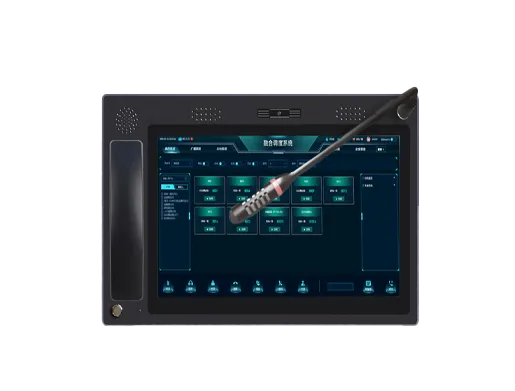
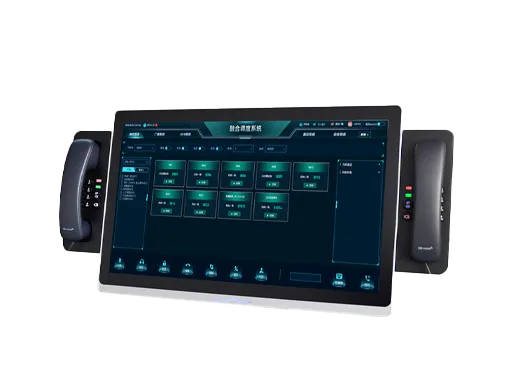
They support group calling, broadcasting, and dispatch functions for coordinated team communication.
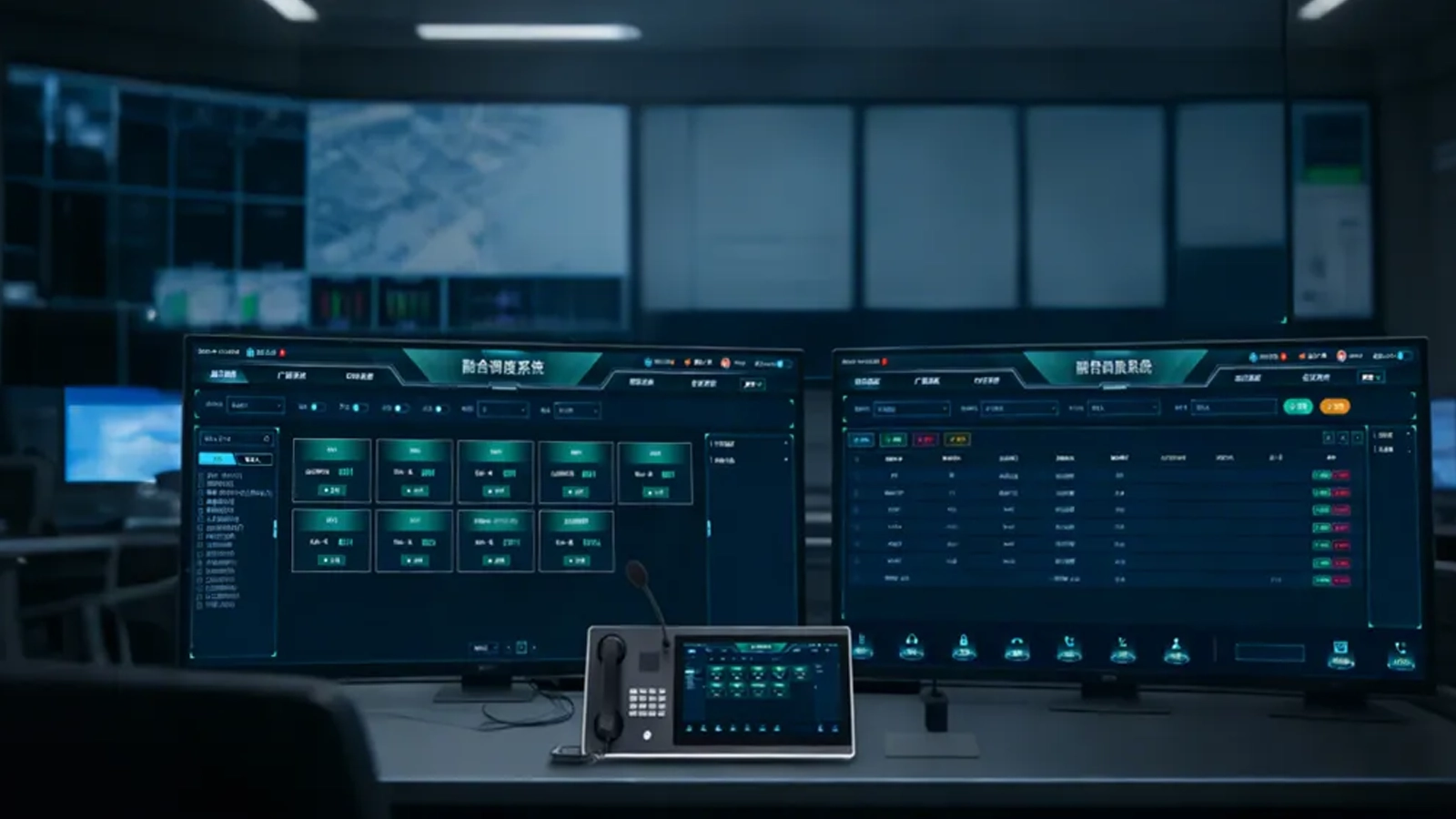
This is widely used in control rooms and command centers.

MCC systems play a vital role in protecting personnel and assets by enabling fast and reliable communication.
They are widely used in emergency services, mining, oil and gas, and industrial operations.
By ensuring uninterrupted communication, MCC systems help maintain continuous operations even under extreme conditions.
This is critical for industries that cannot afford downtime.
MCC enables seamless coordination between teams, departments, and locations.
This improves efficiency and reduces response times.
Modern MCC systems integrate with IP networks, SIP communication, and unified communication platforms.
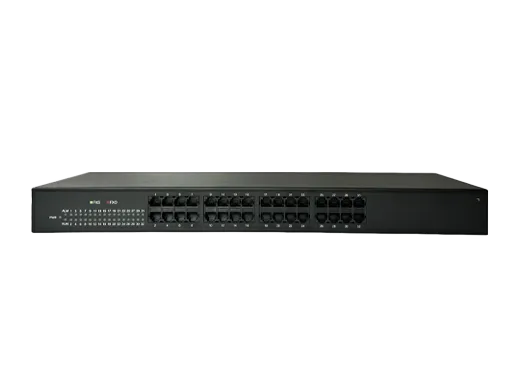
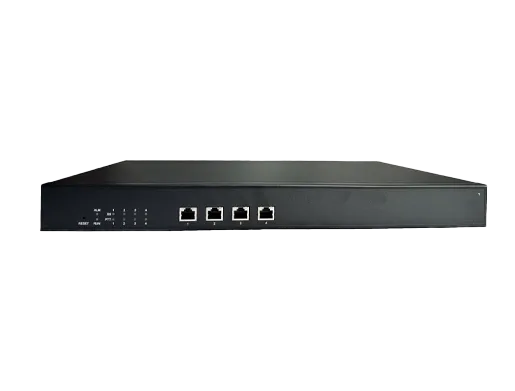
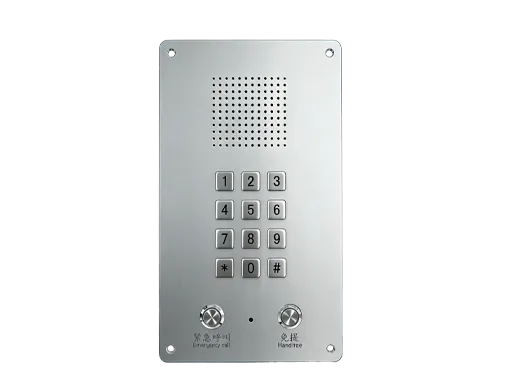
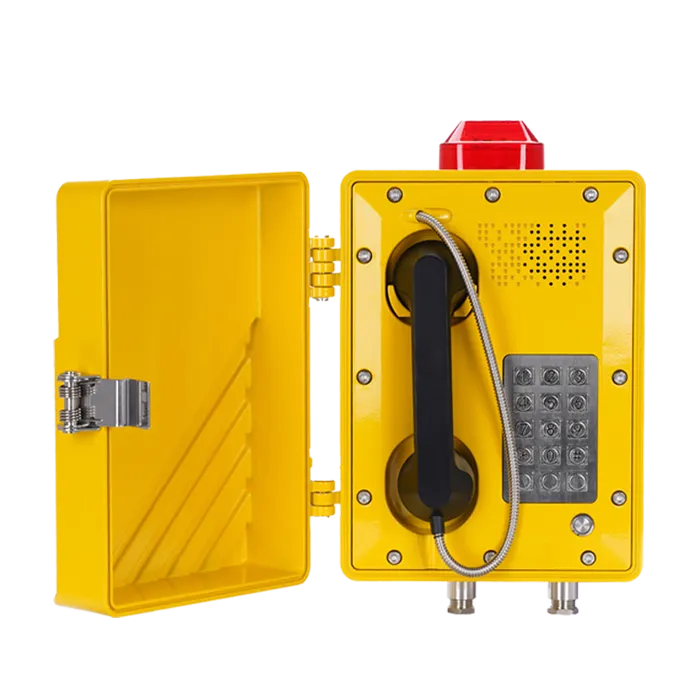
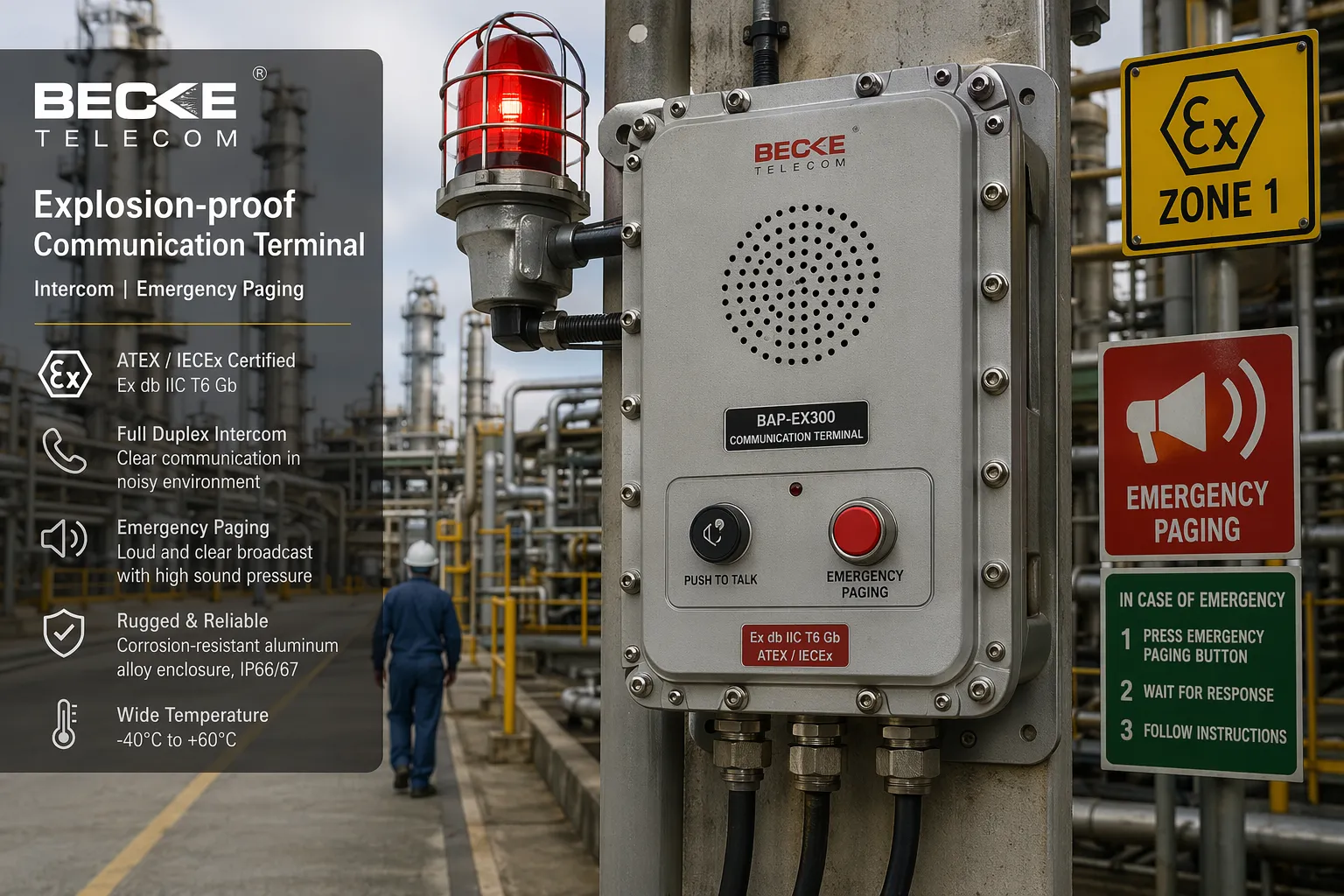
Solutions from providers like Becke Telcom combine MCC capabilities with VoIP, dispatch systems, and industrial communication terminals.

Police, fire departments, and medical emergency teams rely on MCC systems for real-time coordination and response.
Reliable communication is essential in life-saving operations.
Industries such as oil and gas, mining, and manufacturing use MCC for safety communication and operational control.
These environments require rugged and highly reliable communication solutions.
Railways, airports, and ports use MCC for traffic control, coordination, and passenger safety announcements.
It ensures smooth and secure operations.
Military and security organizations depend on MCC for secure and reliable communication.
These systems are designed to operate in extreme and high-risk conditions.

It refers to communication that must always work reliably because failure could result in serious consequences.
Yes, MCC systems are designed with higher reliability, priority control, and redundancy compared to standard systems.
Yes, modern MCC systems often integrate with SIP and IP-based communication platforms.
底部简介