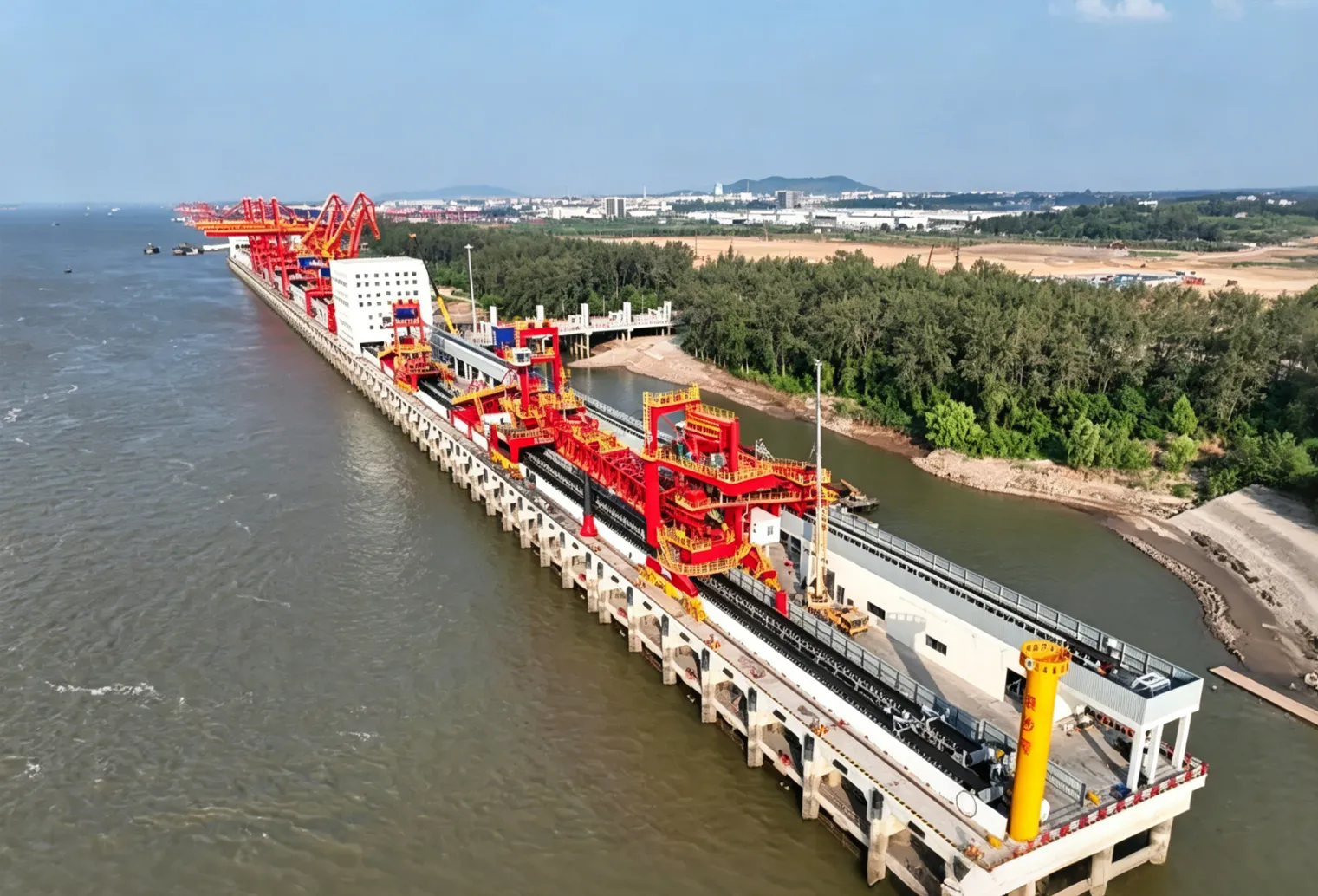
Jiujiang Yinshawan Comprehensive Terminal is located in Liusi Town, Hukou County, Jiujiang, Jiangxi Province, on the right bank at the entrance section of the northeast straight waterway in the middle and lower reaches of the Yangtze River (116.391100°E, 29.846803°N). It is a key comprehensive hub port being developed by Jiangxi Province and serves as the core bulk cargo functional area in Jiujiang’s “one port, five zones” layout.
With a total investment of RMB 2.681 billion, the terminal covers a land area of 613.3 mu, with a planned shoreline length of 820 meters. It includes six 5,000-ton bulk cargo berths, while the hydraulic structure is also designed to accommodate 10,000-ton vessels. The terminal has a designed annual throughput capacity of 22.8 million tons and mainly handles the loading, unloading, and transshipment of bulk cargo such as coal and ore. It is of great importance for optimizing the regional multimodal transport structure integrating waterway, highway, and railway transport.
The core objective of this project is to ensure “zero interruption and zero delay” in the terminal’s communication network when major emergencies occur, such as severe convective weather, vessel collisions, fires, and bulk cargo leakage. The system is designed to enable unified command and precise dispatch across multiple departments and management levels, ensuring safe port operations and highly coordinated emergency rescue. Located along a key shipping channel in the middle reaches of the Yangtze River, the terminal operates in a fast-paced and complex environment. Extreme conditions such as high water levels during the flood season, high temperature and humidity in summer, salt spray corrosion, obstruction caused by large bulk cargo piles, and frequent vessel traffic place stringent demands on the stability, anti-interference capability, and durability of communication equipment.
Becke Telcom’s new-generation port emergency command and dispatch system integrates voice dispatching, visual conferencing, GIS positioning, and data sharing into one platform. Horizontally, it connects collaborative units including port and shipping authorities, maritime administration, emergency management, fire services, medical services, and public security. Vertically, it links with national, provincial, municipal, and county-level emergency response centers, enabling seamless switching between routine safety supervision in peacetime and incident response in emergency situations, and building a solid communication safety line for hub ports in the middle reaches of the Yangtze River.
Current Communication Infrastructure and Risk Assessment
-
Wireless Communication: The existing digital trunking intercom system covers 90% of the shoreline, but signal blind spots remain in areas such as bulk cargo yards and conveyor trestles. The current 4G/5G public network uses a macro base station architecture, which is vulnerable during severe convective weather, heavy rain, and strong winds, with risks such as base station outages and tower tilting, making it unable to guarantee continuity of emergency communications.
-
Other Communications: Emergency communication support capability is relatively weak. The existing communication equipment can only satisfy part of the basic voice communication requirements and cannot support critical needs such as high-definition video backhaul from emergency sites or multi-party conferencing.
Detailed Communication Requirements
-
Internal Requirements: Twelve production units, including the dispatch room, pilotage, tallying, gantry crane operation, yard management, tank area monitoring, safety and environmental supervision, and mechanical maintenance support, require 24/7 two-way communication. Four independent channels must be established for command, operations, security, and emergency response, with no mutual interference. The system must also support temporary and dynamic regrouping of talk groups based on operating scenarios, adapting to diverse tasks such as bulk cargo loading and unloading and vessel berthing and departure.
-
External Requirements: One-touch direct call links must be established with units such as the Jiujiang Port Maritime Office, the Waterborne Fire Brigade of the Jiujiang Branch of the Yangtze River Shipping Public Security Bureau, Hukou County People’s Hospital, customs, and border inspection authorities, with support for hierarchical video conferencing. Audio and video interfaces should also be reserved for connection with the command vehicle of the Jiangxi Provincial Department of Emergency Management and the Yangtze Maritime Safety Administration VTS system, ensuring smooth cross-regional emergency coordination.
Detailed Design of the Emergency Communication System
Primary Communication System: Building a Strong Core Communication Foundation
-
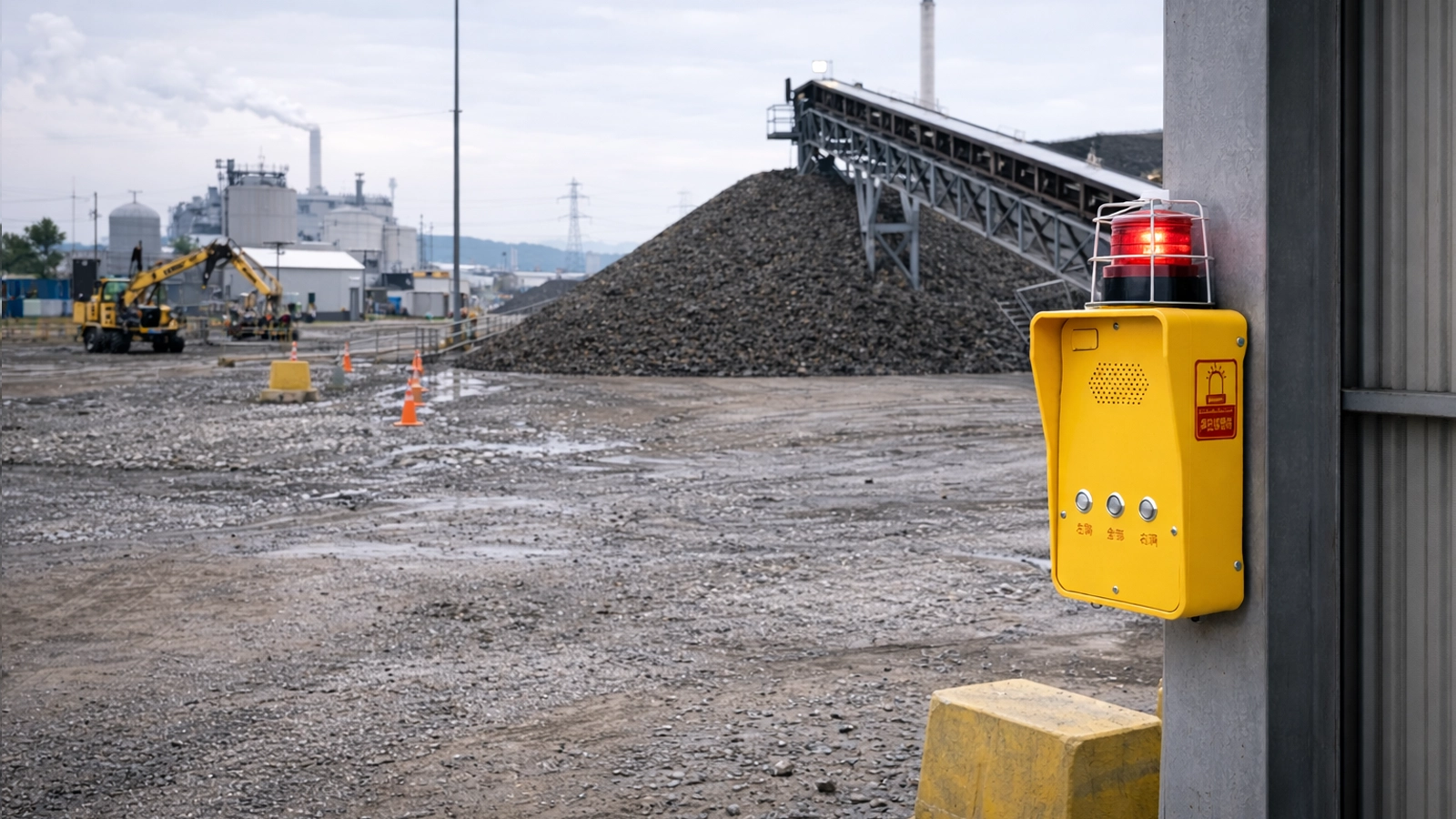
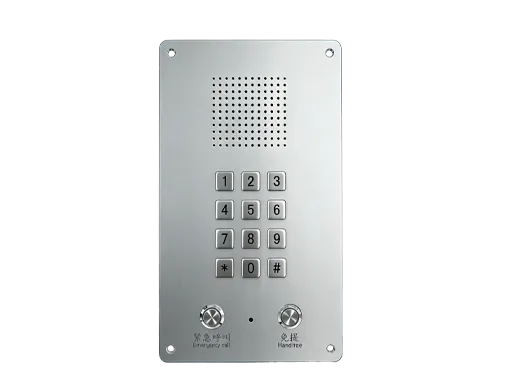
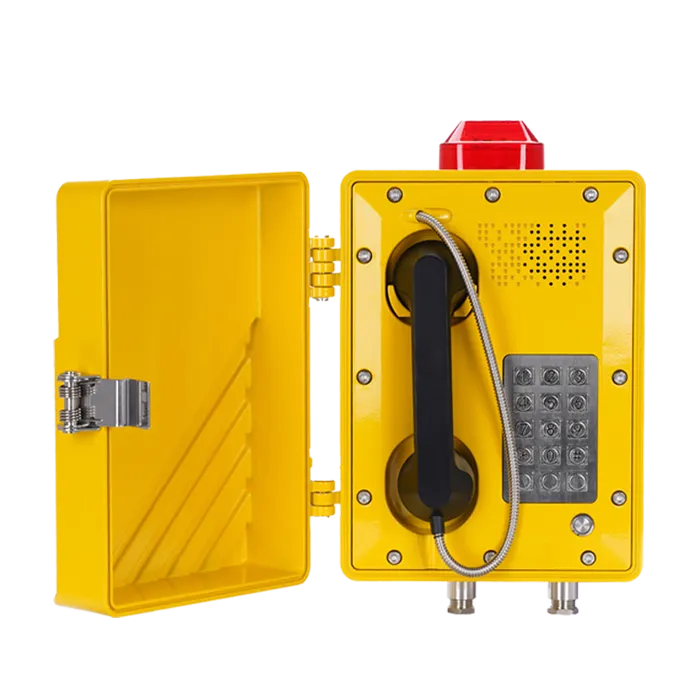
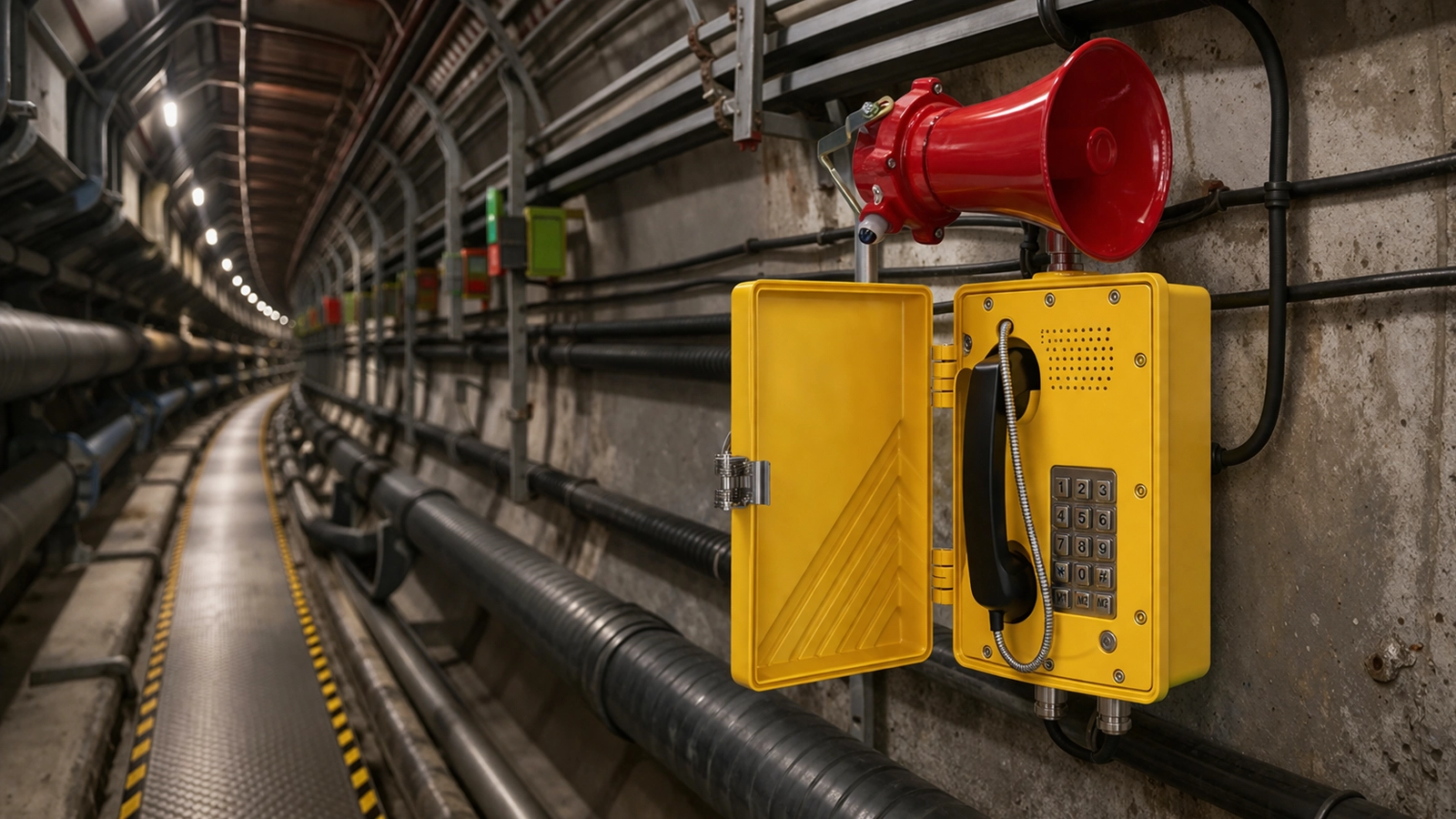
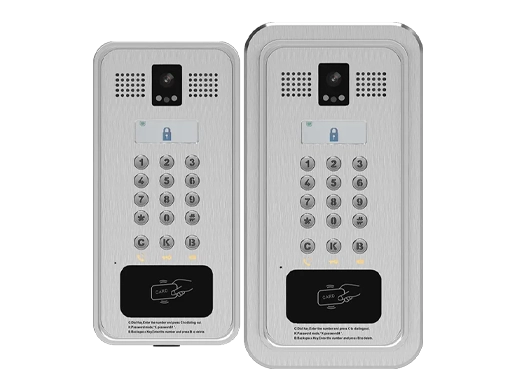
Digital Trunking Network: A new digital trunking system is deployed with four-carrier base stations, supporting dynamic channel allocation to achieve 100% signal coverage across the terminal, including cargo yards, berths, trestles, and tank areas. The system is equipped with handheld radios, office desk phones, and fixed communication terminals such as the EX-BT27 industrial waterproof telephone. Talk groups are organized into four major scenarios: command, operations, security, and emergency response. Encryption technology is enabled to ensure communication security and prevent eavesdropping.
Backup Communication System: Establishing a Redundant Protection Framework
-
Emergency Mobile Base Station Vehicle: A customized all-terrain emergency communication vehicle is deployed, integrating a 5G micro base station, a 350 MHz trunking base station, and a Wi-Fi 6 Mesh self-organizing network module. The vehicle is equipped with an 18-meter roof-mounted lifting mast and a generator capable of supporting four hours of continuous operation under full load. After arriving at the site, it can restore public network and trunking communication coverage within a 3-kilometer radius in as little as 15 minutes, solving the problem of base station outages during extreme weather.
Emergency Command and Dispatch System Architecture: Building an Integrated Dispatching Hub
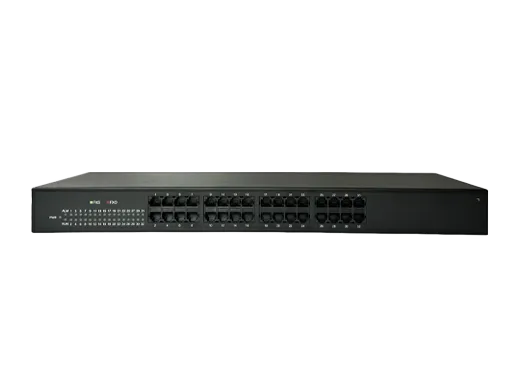
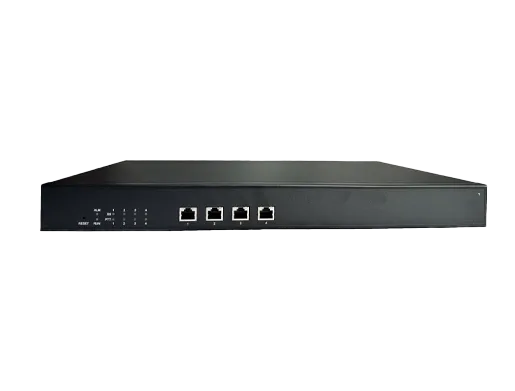
Becke’s IP paging and intercom emergency system is deployed in the central equipment room, using a localized dual-server hot standby and hybrid cloud disaster recovery architecture to eliminate single points of failure. Through an E1 digital trunk gateway, the system connects to carrier PSTN and PLMN networks, enabling dispatch consoles to place one-touch calls to public telephone networks, send emergency SMS messages, and transmit faxes, meeting multi-channel notification requirements. The system also includes built-in IVR voice navigation, which can automatically group-call relevant personnel and force-broadcast emergency instructions according to preset response plans.
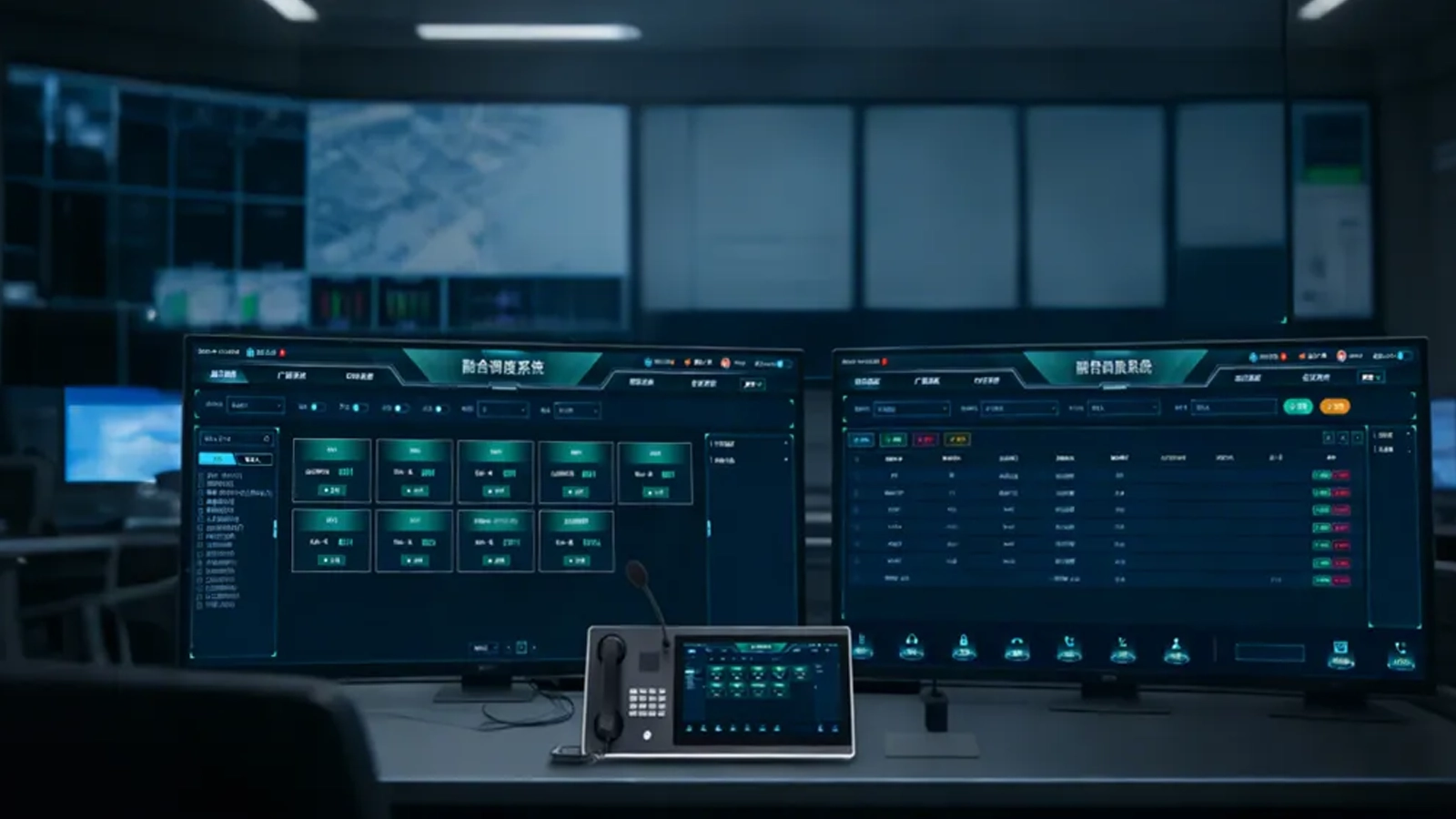
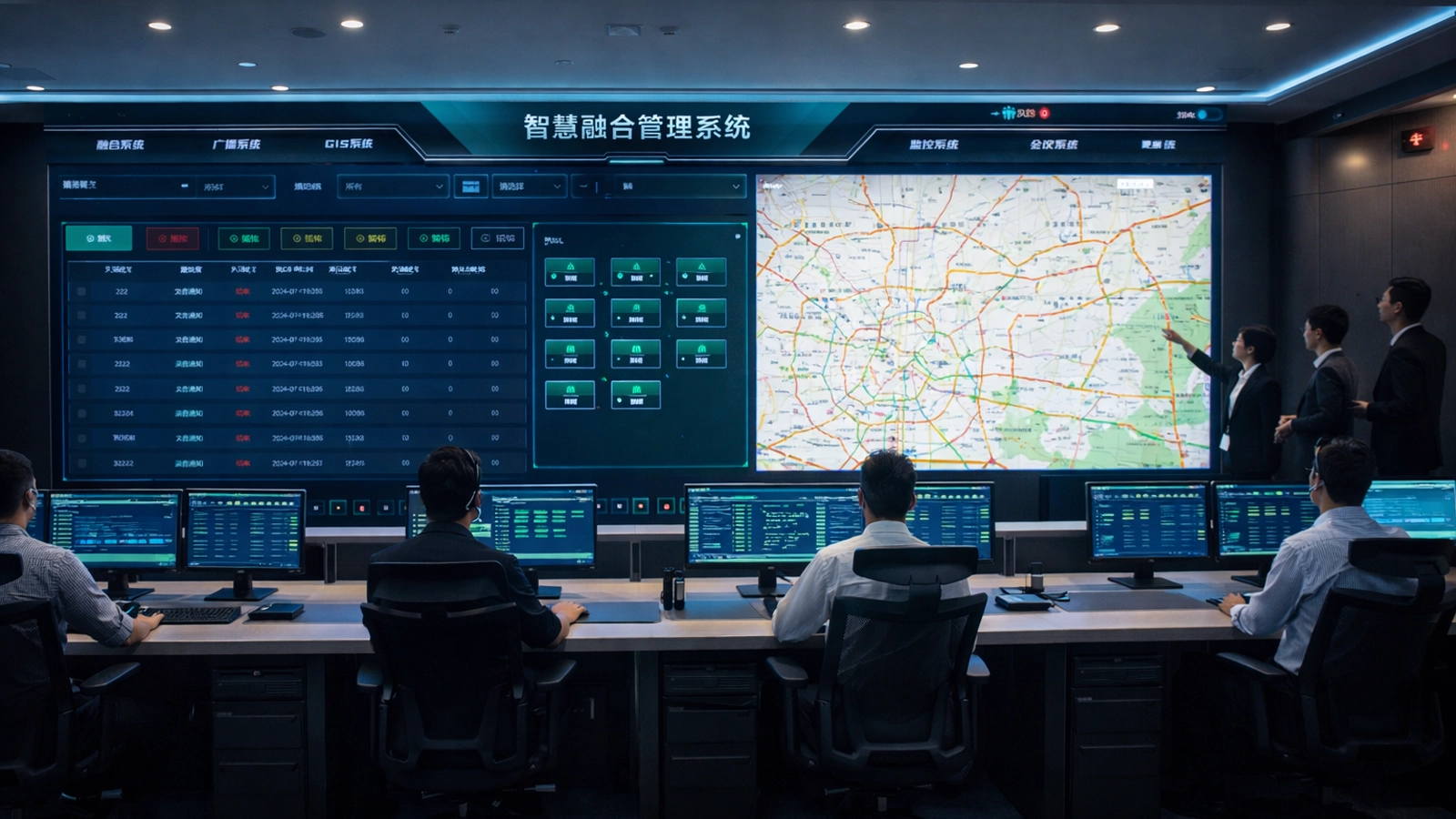
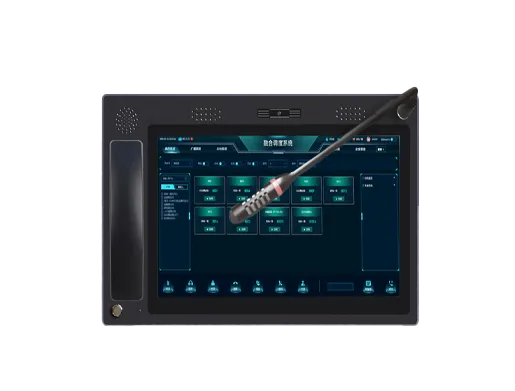
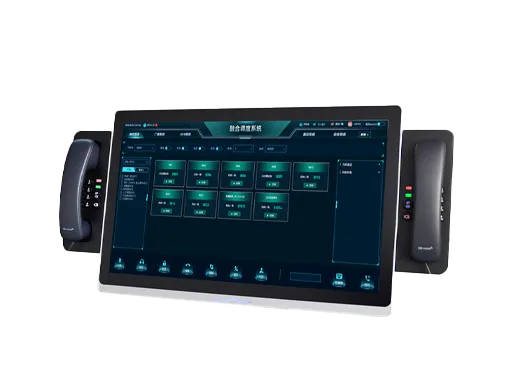
The dispatch center is equipped with multiple 21.5-inch dual-handset touch-screen dispatch consoles and one 98-inch ultra-high-definition command display. These provide real-time integrated presentation of the port’s electronic charts, AIS vessel tracks, CCTV surveillance feeds, drone inspection video, body-worn terminal video return, and environmental sensor data. The software platform adopts a hybrid B/S + C/S architecture and supports hierarchical permission management, drag-and-drop conference creation, GIS-based area selection calling, multi-party video conferencing, one-touch force insert and force release, and full-process audio and video recording playback, meeting full-scenario requirements from daily dispatching to emergency response.
Integrated Communication Capability Development
Basic Communication Integration
Through analog voice gateways, 4G/5G gateways, and HF / VHF gateways, traditional PSTN telephones, public network trunking systems, maritime VHF radios, and HF communication devices are all connected to the emergency command platform in a unified manner, enabling seamless calling among heterogeneous terminals and breaking down information silos between different communication systems.
Broadcast System Integration
The system is connected to the terminal’s existing IP broadcasting and horn speaker system, with the addition of an AI noise detection module that can automatically adjust broadcast volume based on environmental sounds such as cargo yard operation noise and vessel horns, ensuring clear delivery of instructions. It supports zoned broadcasting by berth, yard, and office area, scheduled broadcasting, and TTS text-to-speech broadcasting, and can be linked with the fire alarm system to automatically trigger emergency broadcasts in the corresponding area when an emergency occurs.
Intercom System Integration
A multi-protocol gateway is deployed to support various communication standards including DMR, TETRA, POC, and public network intercom apps, enabling cross-platform individual calls, group calls, and all-call functions. The dispatch console can directly call any intercom terminal and supports remote stun and remote kill functions to prevent information leakage in the event of lost communication terminals, thereby ensuring communication network security.
Communication Response Plan Framework
Routine Maintenance Mechanism
A normalized maintenance system is established based on “daily inspection, weekly testing, monthly drills, and quarterly maintenance.” Key parameters such as base station standing wave ratio and equipment battery internal resistance are all incorporated into the configuration management database (CMDB) for real-time status monitoring. Spare parts are stocked according to the principle of “5% redundancy plus double reserves for vulnerable components,” with priority given to fast replacement of critical equipment such as trunking base station modules and emergency power supplies.
Emergency Activation Process
Four response levels are defined: Level I (particularly severe, such as vessel collision leakage or large-scale fire), Level II (major, such as communication interruption caused by severe convective weather or localized fire), Level III (serious, such as single-point equipment failure or small-scale safety incident), and Level IV (general, such as localized signal blind spots). All response plans are embedded into the dispatch software. Once activated with one click, the system automatically completes channel expansion, route switching, emergency SMS broadcasting, and multi-party video conference initiation. During an emergency, a communication operation bulletin is automatically generated every 15 minutes and pushed to the mobile terminals of the chief commander and relevant responsible personnel, allowing real-time awareness of communication status.
Personnel Training and Drills
-
Hierarchical and Role-Based Training: A three-in-one training system of “theory + practical operation + assessment” is implemented. Frontline operators focus on communication equipment operation, rapid fault location, and basic troubleshooting. Middle-level managers focus on interpretation of emergency plans and cross-department resource coordination processes. Senior decision-makers focus on emergency scenario simulation and multi-agency joint command skills, ensuring that personnel at each level can proficiently master the corresponding capabilities.
-
Normalized Drill Mechanism: An unscripted quarterly “double-blind” drill is conducted to simulate emergency scenarios such as communication interruption caused by severe convective weather and vessel collisions, testing the system’s emergency switching capability. A cross-department comprehensive drill is organized annually, with participation from units such as the Jiujiang Port Maritime Office, waterborne fire brigade, and local emergency management bureau, while experts from the provincial emergency department are invited to observe and evaluate. A post-drill review is completed within 48 hours, and response plan optimization and revision are completed within 72 hours, achieving the continuous improvement goal of “every drill leads to further progress.”
Through the above systematic design, Jiujiang Yinshawan Comprehensive Terminal has established a three-dimensional emergency communication system that combines primary and backup redundancy with fixed-mobile integration, truly achieving the core objectives of “seeing clearly, calling through, dispatching effectively, and preventing risks reliably.” This solution not only meets the daily dispatching needs of a bulk cargo terminal handling tens of millions of tons annually, but also provides reliable communication support under complex scenarios such as extreme weather and sudden incidents, laying a solid communication foundation for the terminal to build a first-class comprehensive hub port in the middle reaches of the Yangtze River and promote high-quality regional economic development.