概述

貝克通信的關鍵任務通信系統面向現場人員與控制室之間需要可靠通信、且通信能力直接關係到運營安全的場所。系統將工業電話、專業無線電網路、緊急呼叫點、調度控制台及公共警報設備整合到統一的通信環境中,圍繞緊急情況下的快速通信接入、明確的運營職責,以及服務不可用時的替代通信方式進行設計。

控制室操作員可能需要通過 SIP 電話聯絡維護技術人員,通過無線電通話組與移動作業團隊通信,並向指定生產區域發布指令。這些通信使用不同的網路和設備,但整個響應流程仍需要保持協同。系統根據現場風險、通信覆蓋範圍及基礎設施條件,將適用的語音通信與調度功能、優先級規則、緊急通知及通信連續性措施結合起來。其目標是在正常運行、網路擁塞及設備故障情況下維持必要的通信選項,而不是假設所有服務都需要相同級別的保護。
架構

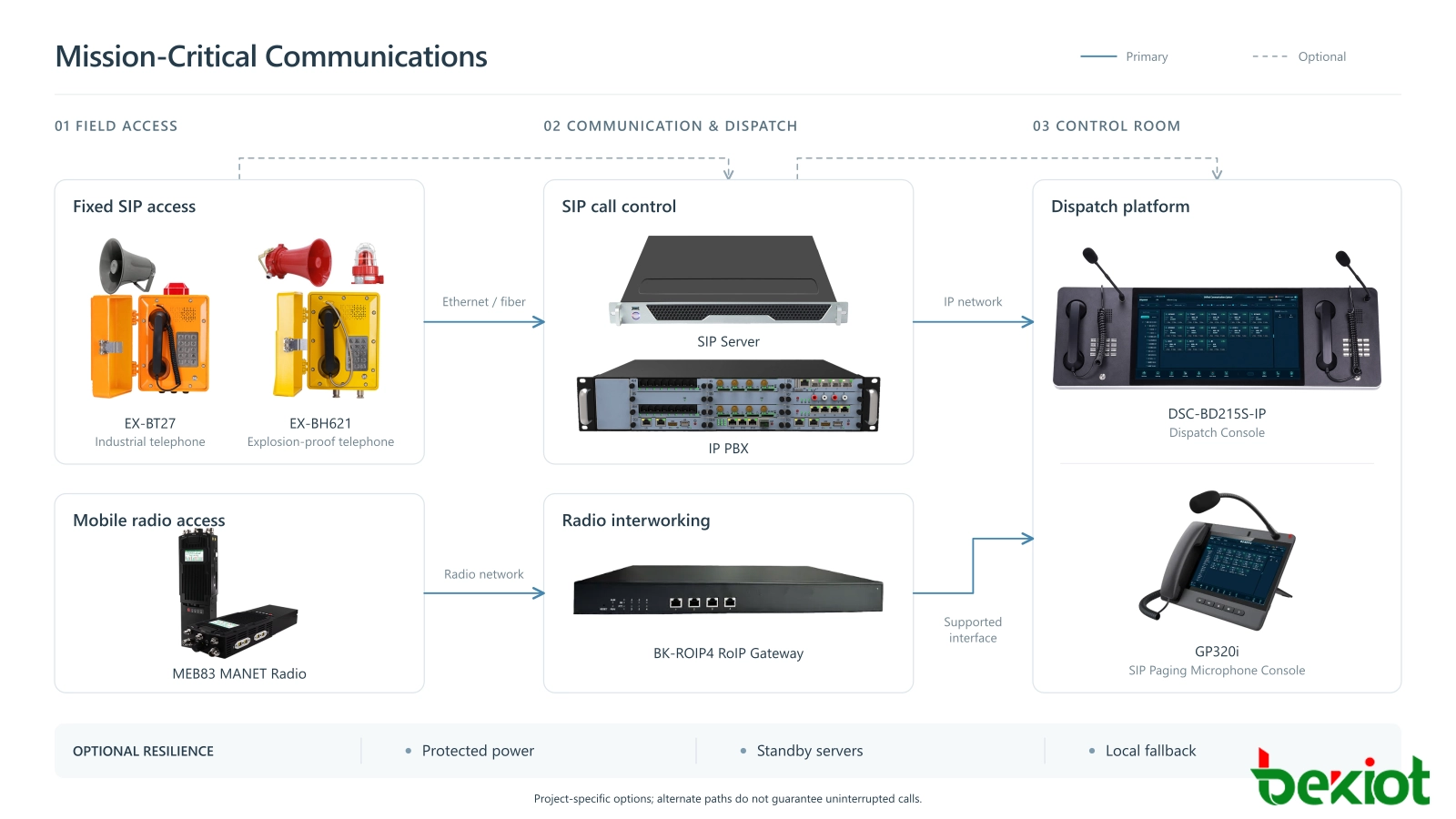
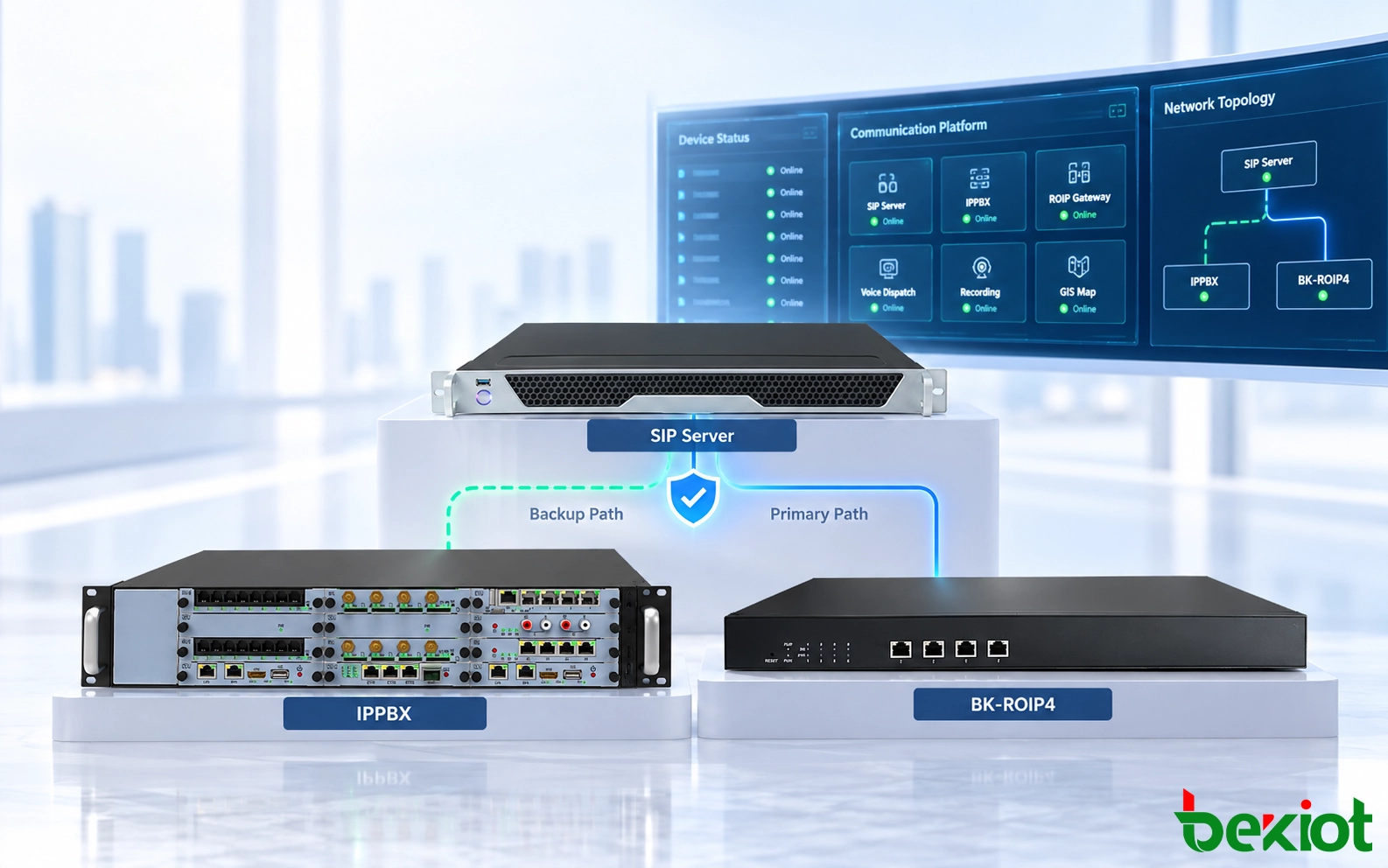
關鍵任務通信系統架構,展示現場終端、SIP與無線電網路、調度工作站及替代通信路徑

現場與控制室接入

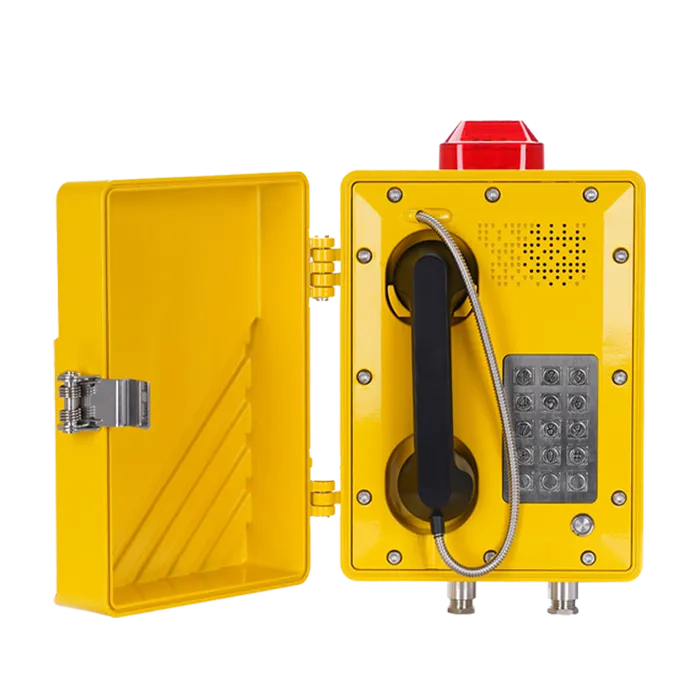
工業 SIP 電話和緊急呼叫點可在車間、隧道、機械設備區域及遠程設施中提供固定通信位置。手持式及車載式無線電設備服務於需要在不同運營區域之間移動的人員,而調度控制台、操作員電話及廣播麥克風則支持控制室通信。終端根據通信覆蓋及安裝條件,通過 Ethernet、光纖、無線電基礎設施或其他現場網路進行連接。安裝於危險區域的設備應根據適用的環境要求及防爆要求進行選型。

通信與調度層

SIP 伺服器和 IP PBX 服務負責控制與兼容 IP 終端之間的呼叫。專業無線電系統保留自身的網路功能,並通過適用的 RoIP 閘道器或系統介面與指定的調度資源連接。指揮與調度平台向授權操作員提供相應的通信控制功能,而語音和視頻媒體則按照對應通信基礎設施提供的路徑傳輸。群組標識、PTT 信令及補充無線電信息僅在各連接介面所支持的範圍內進行交換。

韌性與恢復設計

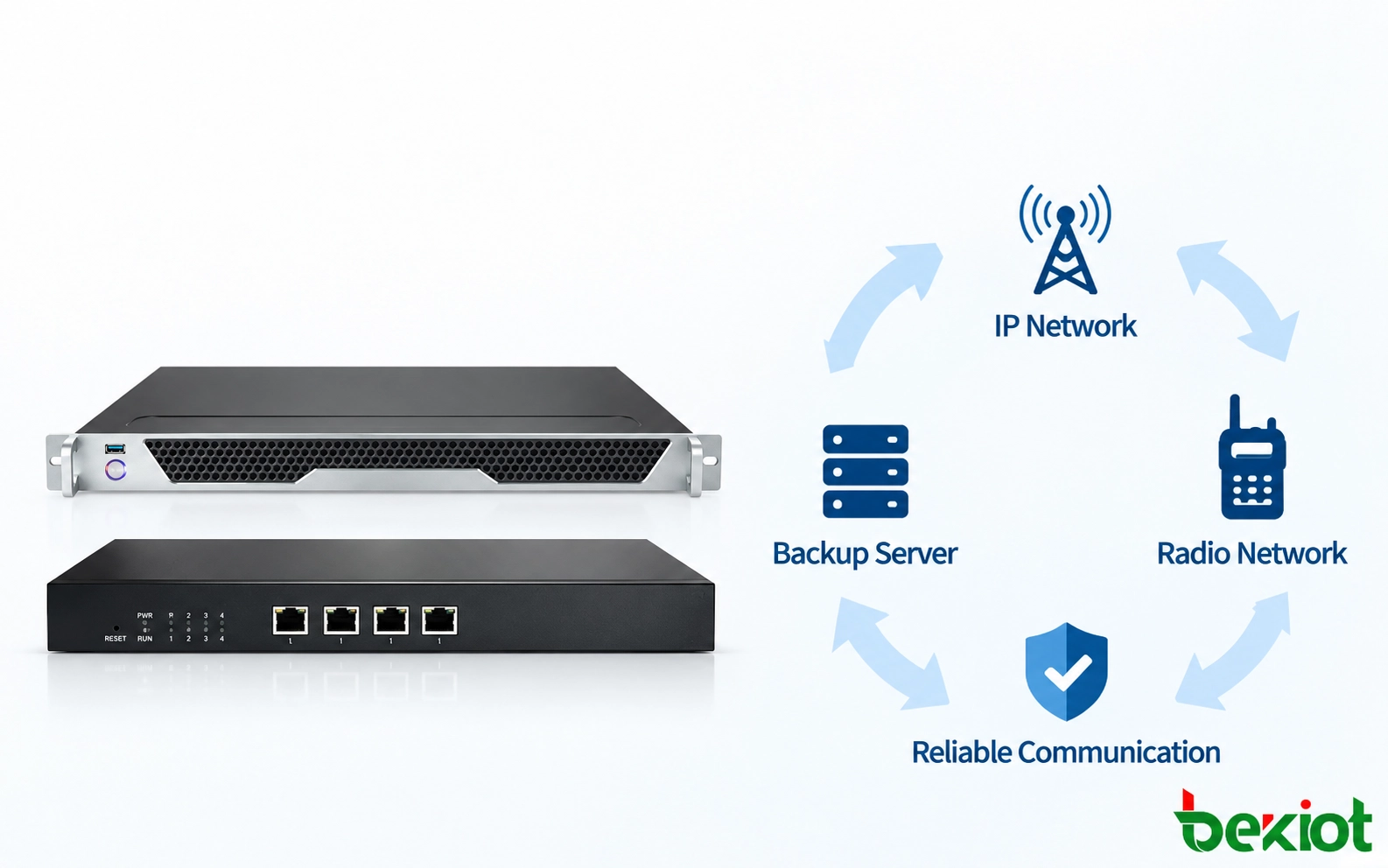
系統架構識別接入鏈路、交換機、通信伺服器、閘道器、無線電覆蓋及電源之間的依賴關係。根據項目要求,關鍵服務可以配置受保護電源、備用網路路徑、備用伺服器或獨立運行的本地通信路徑。每種配置都需要針對明確的故障情況進行評估,例如廣域鏈路中斷或主伺服器故障。備用路徑和備用設備可以增加可用的恢復選項,但並不意味著在切換網路或控制服務時,正在進行的通話一定能夠持續保持。

功能

優先通信

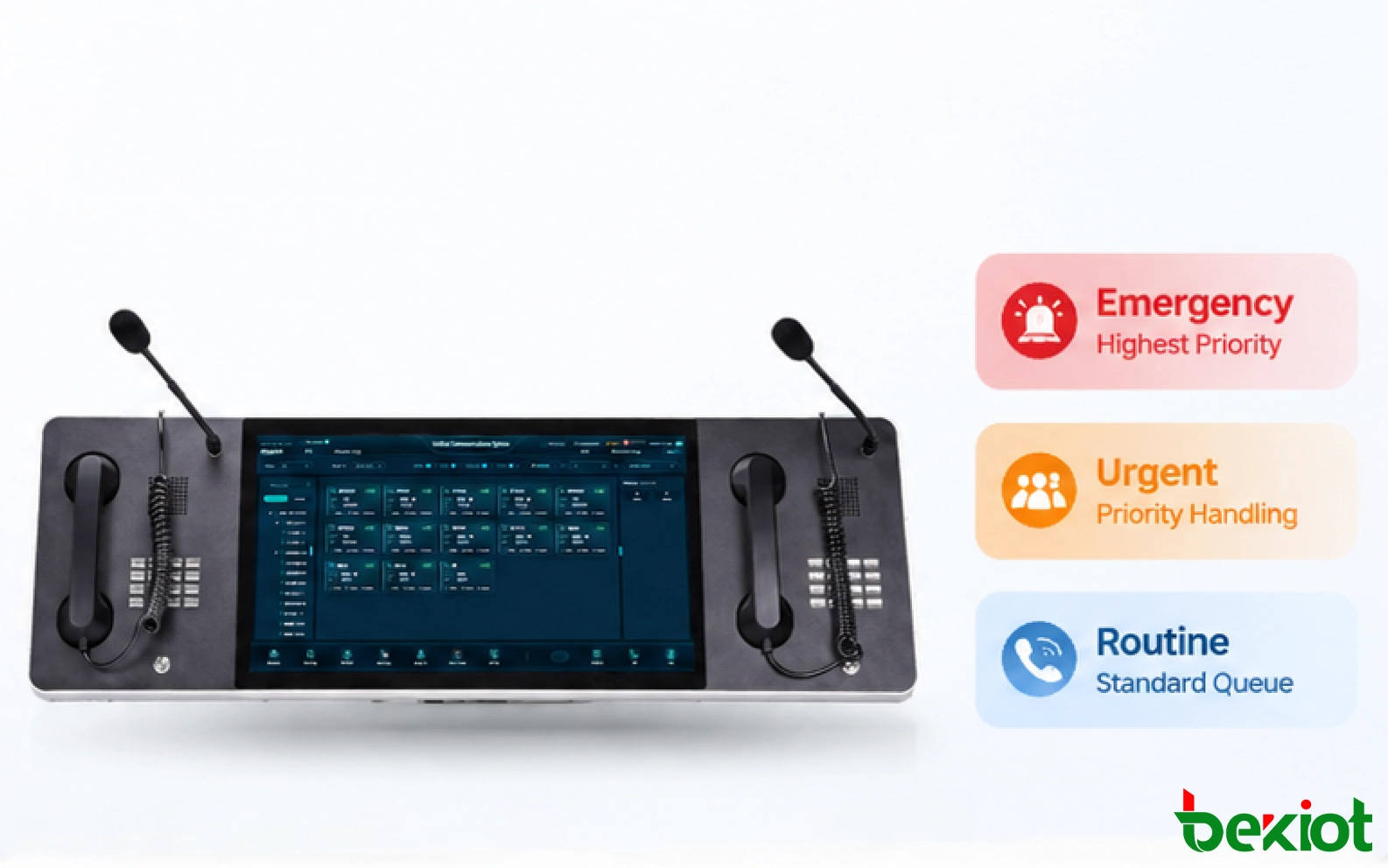
呼叫處理策略將日常通信流量與緊急及應急通信區分開來。在支援的平臺中,優先級別及操作員權限決定哪些呼叫獲得優先處理,以及在何種情況下授權介入可以中斷較低優先級的通信會話。IP 網路透過適當的頻寬規劃及服務品質設定進行自身的流量管理;無線電優先級則取決於無線電系統的能力。這些措施需要共同配置和測試,以確保應用程式中分配的優先級能夠對預定通信路徑產生實際作用.
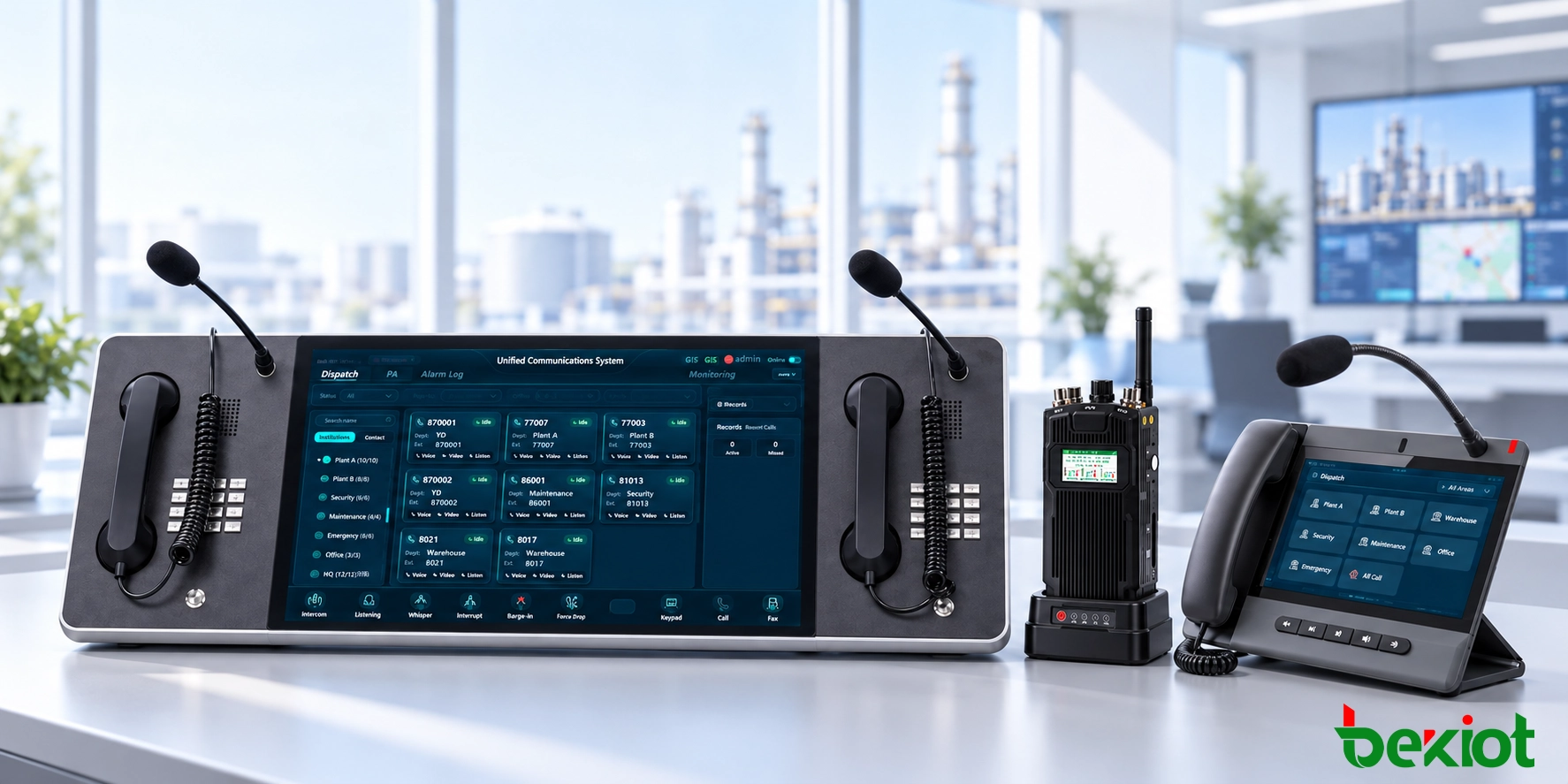
優先通信
群組與調度控制

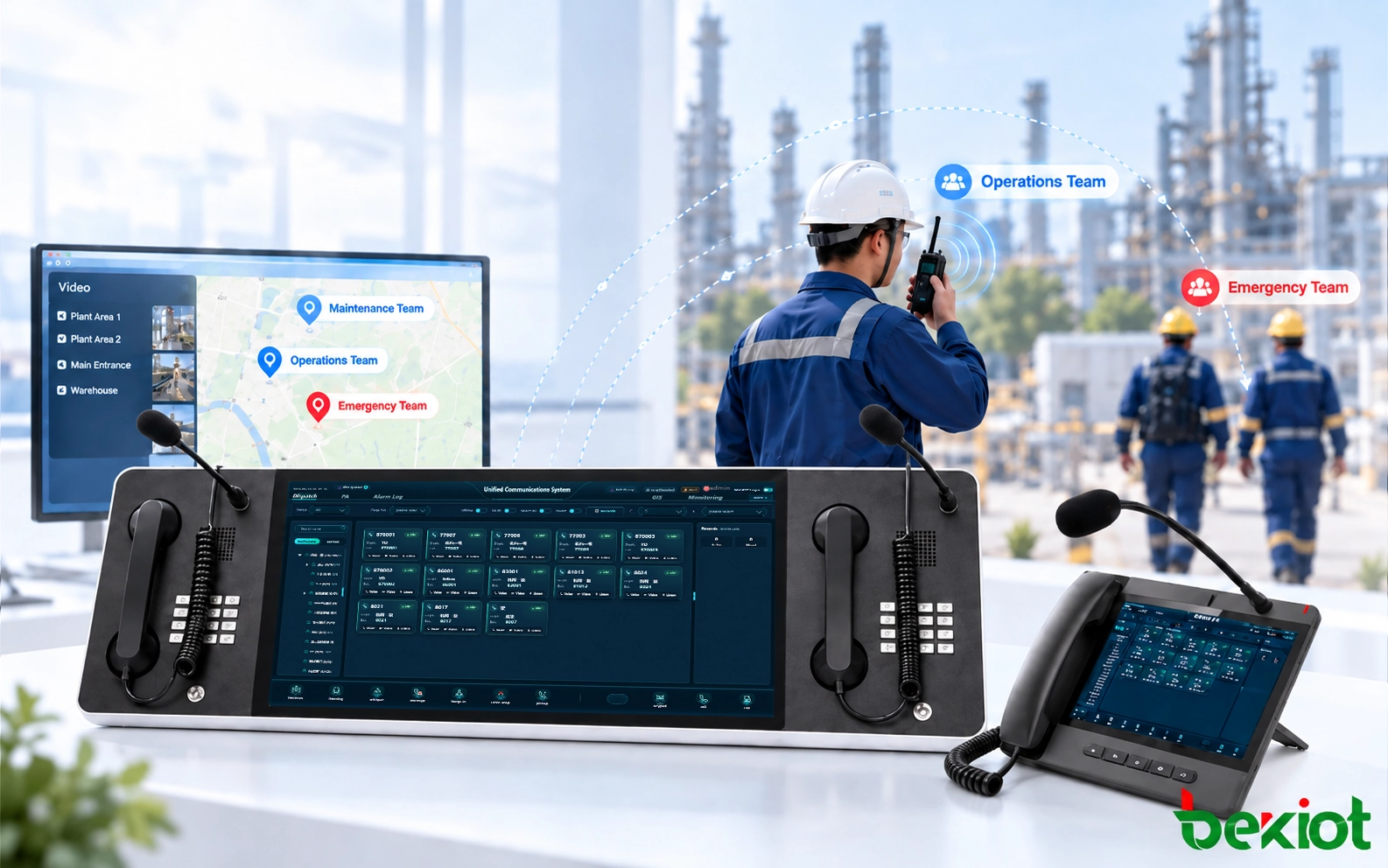
群組與調度控制

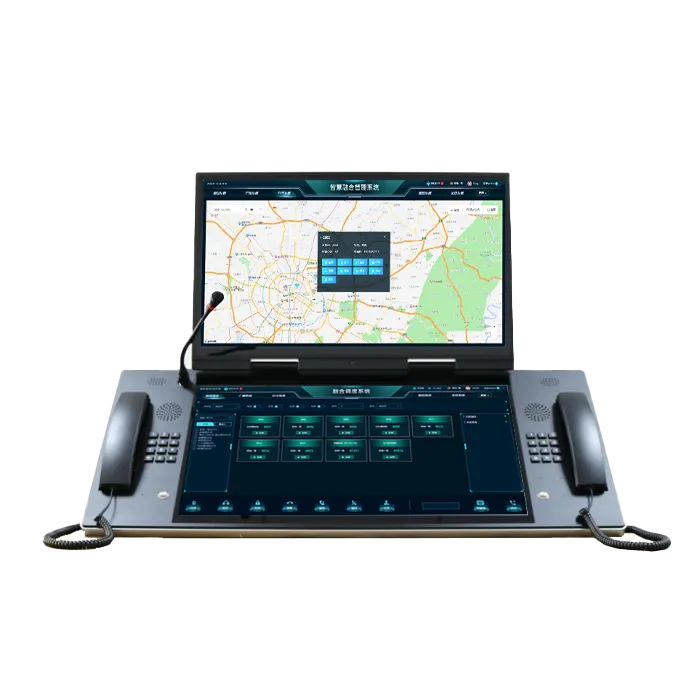
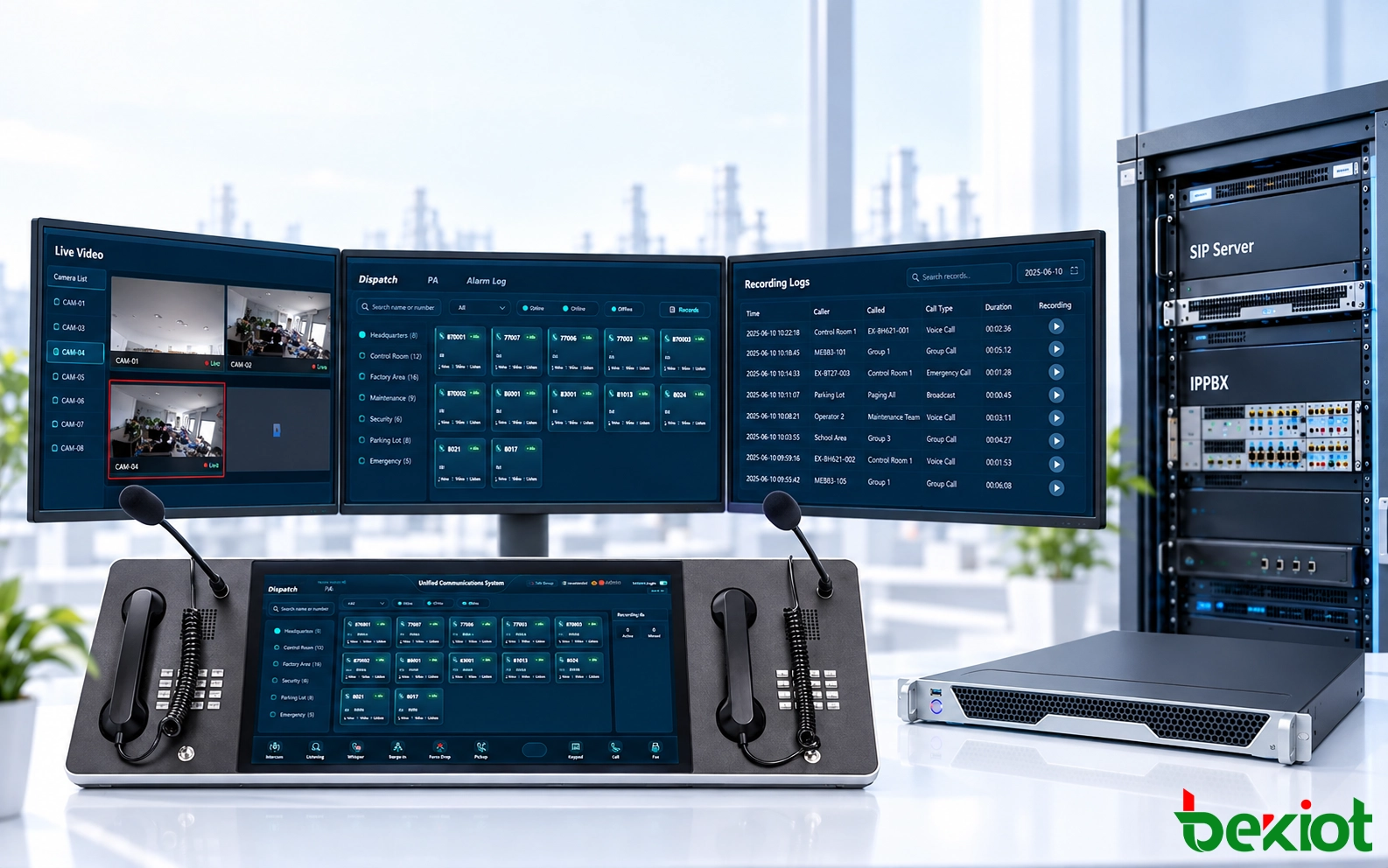
控制室人員可以透過相應的電話及無線電控制功能聯絡個別使用者、指定無線電群組或多個應變團隊。群組通話、會議及由操作員發起的協調功能支援輪班運作及事件升級,而無需分別呼叫每位參與者。使用者權限決定誰可以向群組發起通信或發布緊急指令。當運營任務及事件記錄需要與通信同步管理時,Becke CAD system 提供相應的事件及資源管理工作流程.

無線電與 SIP 互聯

獲授權的操作員可以在指定電話崗位與連接的無線電頻道之間建立通信,使固定場所的人員能夠透過現有設備聯絡現場團隊。無線電到電話呼叫、指定頻道連接及 push-to-talk 控制均依照閘道器及無線電網路所提供的功能運行。互聯配置保留通話群組權限,並避免將加密、緊急信令及使用者識別等無線電功能視為可以與 SIP 功能普遍互換的功能.
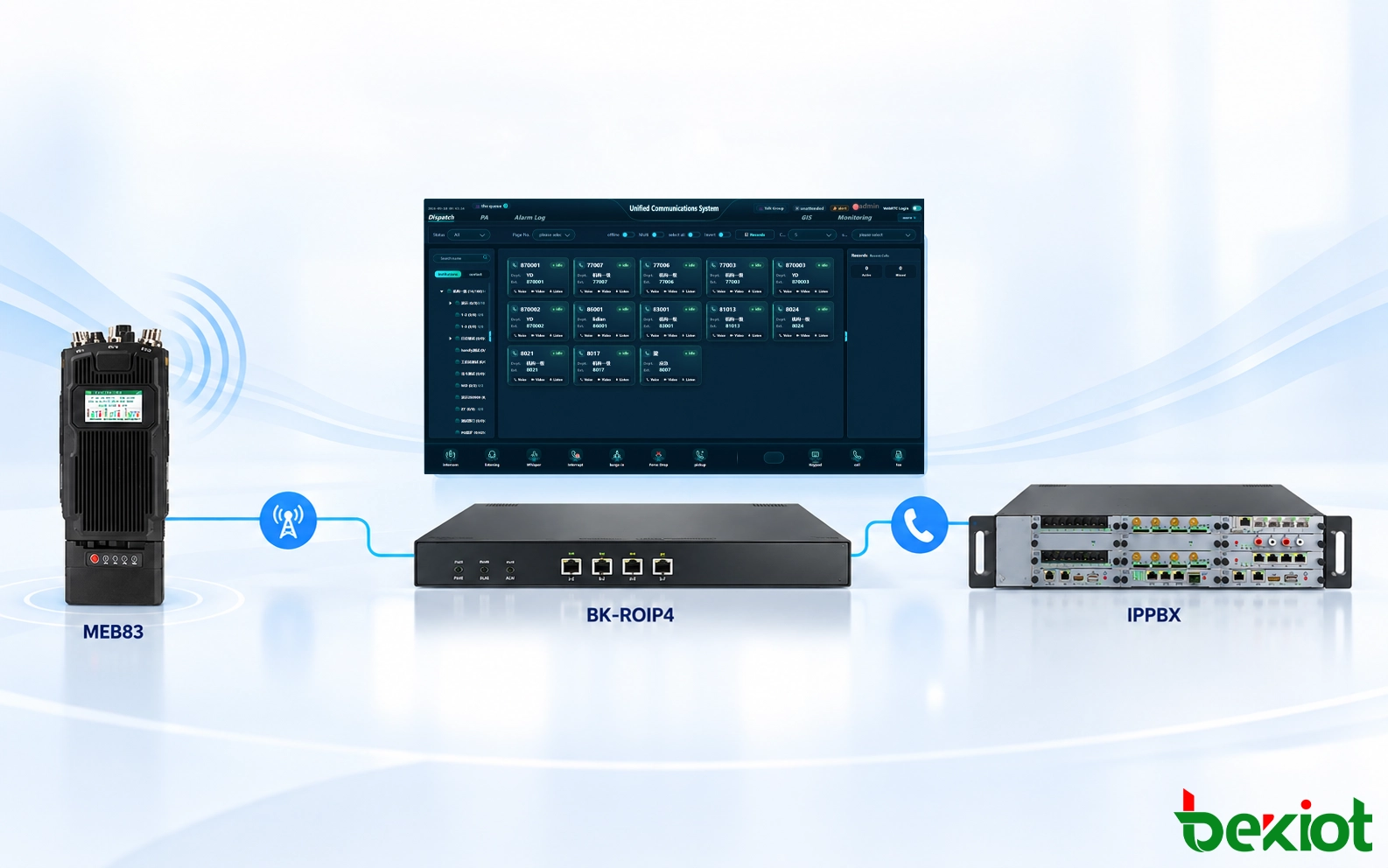
無線電與 SIP 互聯
緊急警報

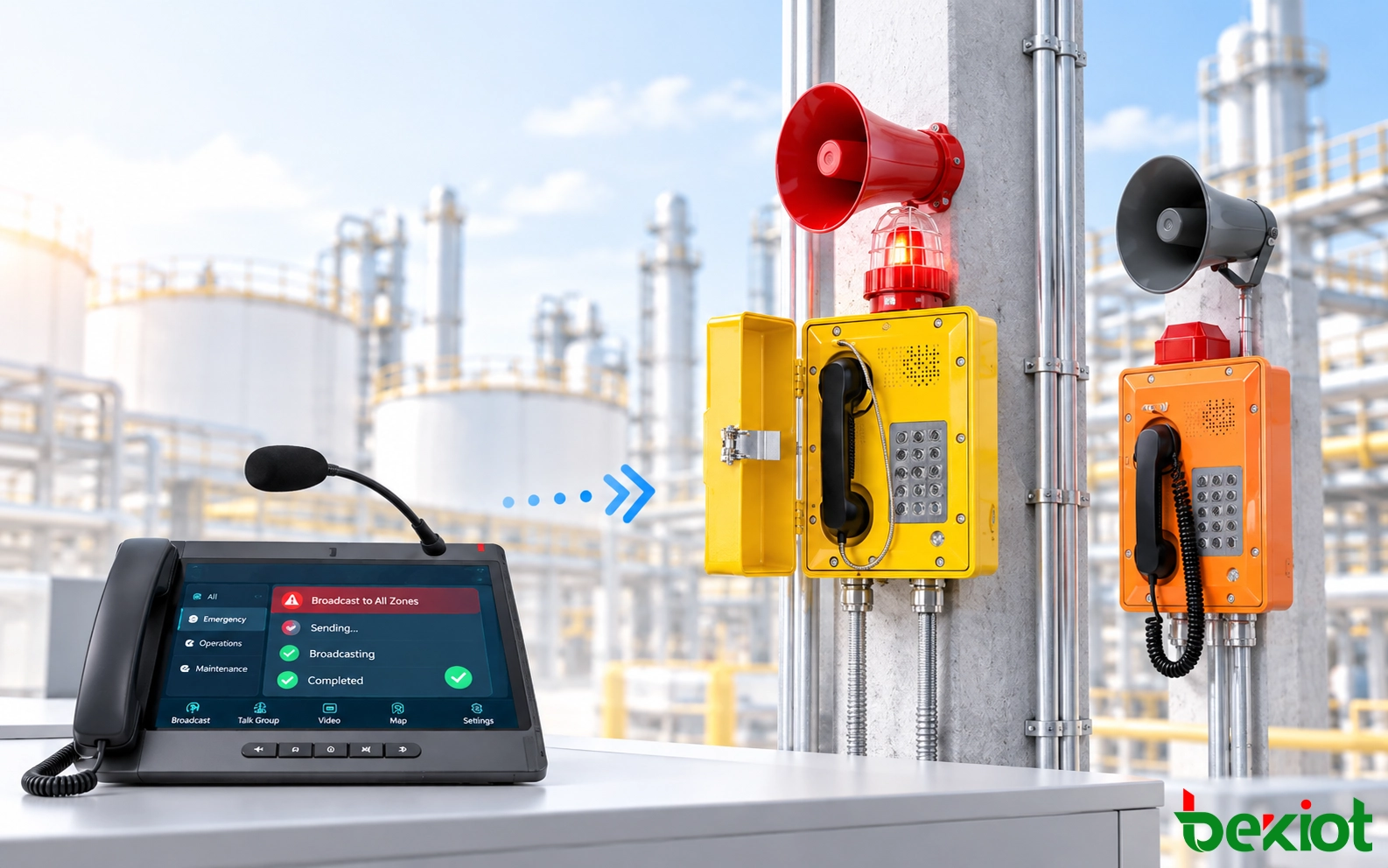
緊急警報

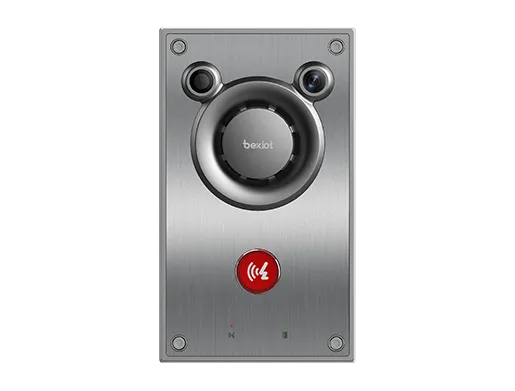
緊急電話、SOS 對講機及支援的警報介面將緊急報告傳送至指定的控制室崗位。收到報告後,操作員可以建立雙向語音通信、聯絡所需的應變群組,並透過連接的 IP paging、公共廣播及通用警報設備發布經授權的警告。廣播分區與需要接收指令的區域相對應,而升級程序則決定是否需要聯絡其他部門或地點。呼叫建立、公告傳送及人員確認被作為相互獨立的運營步驟處理.

韌性通信

發生設備或網路故障時,操作員利用可用的狀態指示識別受影響的終端、伺服器或鏈路,並切換至現場備援程序中所定義的通信方式。如果不依賴故障元件,本地無線電網路、固定式緊急點或備用服務即使在其他路徑中斷時仍可能保持可用。恢復程序包括警報檢查、主要服務恢復、中斷通話重新連接,以及確認關鍵終端重新可以訪問.
韌性通信
監控與錄音

監控與錄音

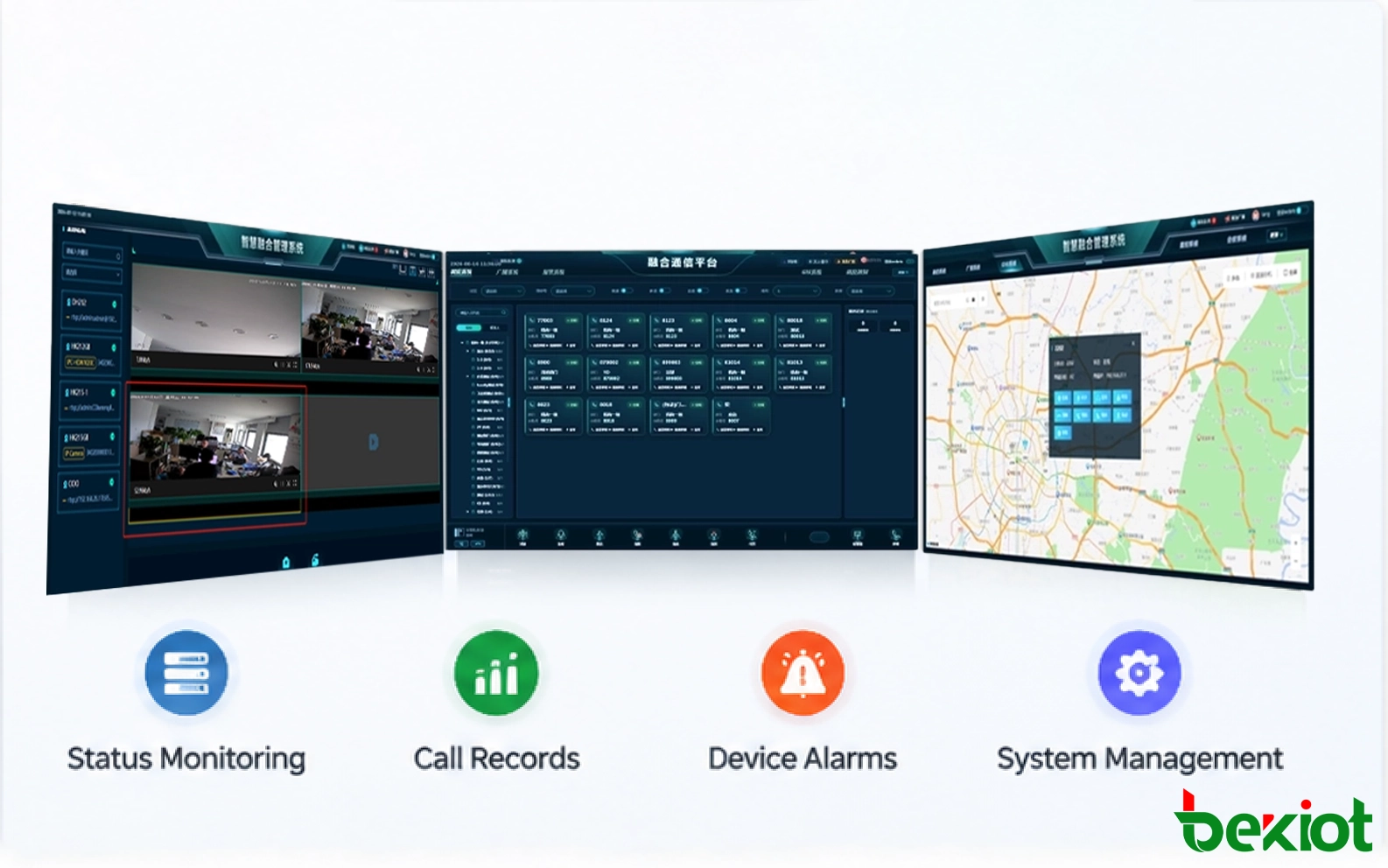
通信伺服器、調度應用程式、閘道器及受管理終端提供註冊狀態、設備警報及通話活動等運營資訊。維護人員利用這些記錄定位故障並分析反覆出現的通信中斷。在支援且獲授權的情況下,通話錄音可為事件調查及運營審查提供參考。訪問權限、時間戳及保存設定決定記錄如何儲存和使用,但不能將一次已完成的通信會話視為運營任務已完成的證明.
優勢

關鍵通信接入

關鍵通信接入

某一項服務發生故障,並不意味著整個場所都會失去明確的通信方式。透過識別各運行區域所需的關鍵通信,並提供合適的替代方式,系統可為人員在通信中斷後維持或恢復聯絡提供更清晰的方式。其價值在於讓通信故障下的應變更加可預期,而不是籠統承諾所有通話都能始終保持不中斷.
緊急通信流量保護

緊急通信流量保護

明確的優先級可以降低日常通信佔用緊急指令所需注意力及系統資源的風險。調度人員按照既定的升級規則工作,而技術優先級機制則與承載相關通話的網路保持一致。這使緊急通信流量在繁忙時段具有更加清晰的處理路徑,並幫助團隊在多項需求同時到達時保持一致的應對方式.
現有基礎設施的利用

現有基礎設施的利用

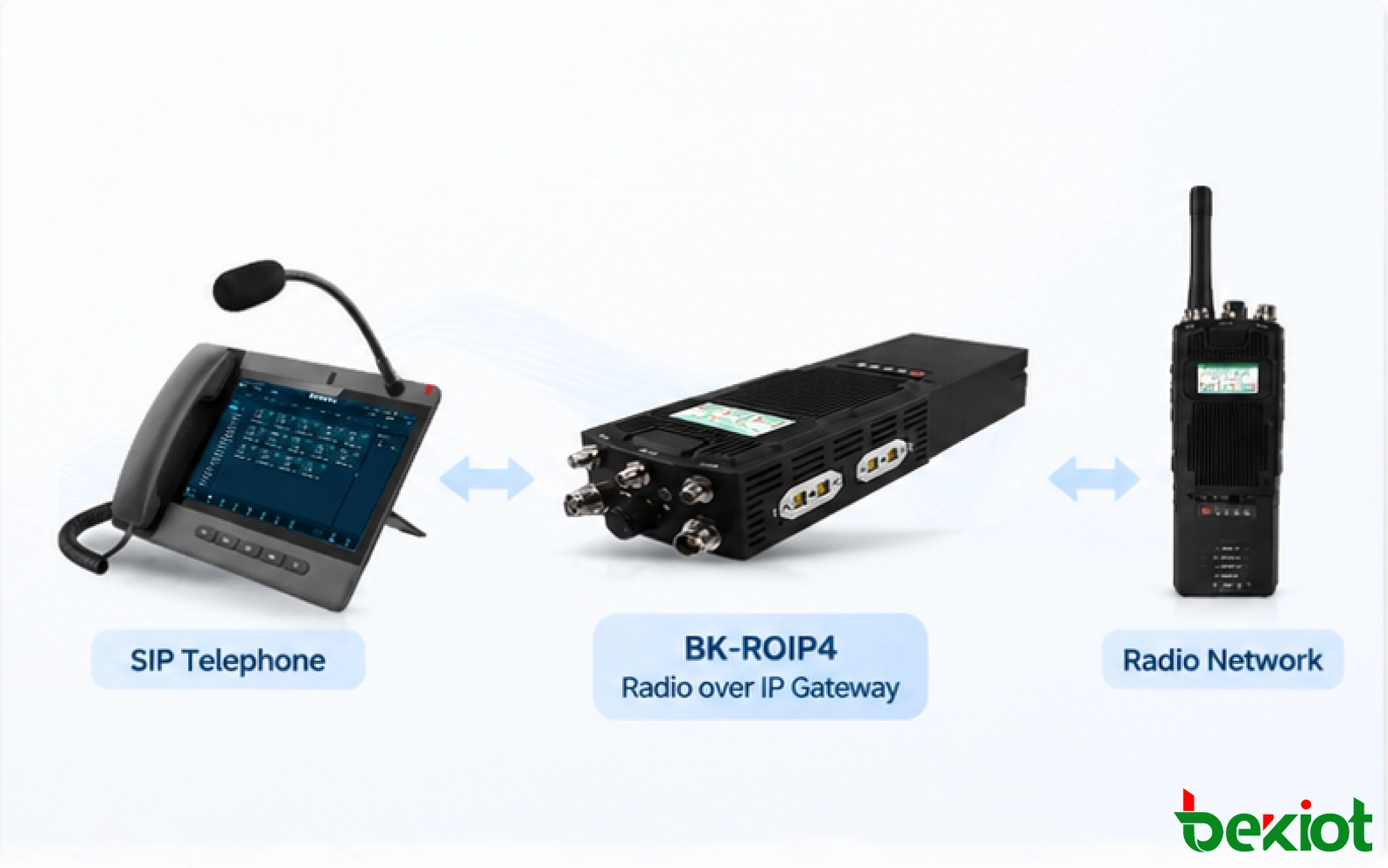
相容的無線電網路、工業電話、SIP 服務及警報設備可以在場所擴展通信系統時繼續使用。重用合適的現有基礎設施可以減少不必要的設備更換,並允許新的運行區域或通信功能分階段增加。整合設計同時將專業無線電功能及安全功能保留在各自負責的系統中.
清晰的運營管理

清晰的運營管理

操作員權限、已知的終端身份及明確的聯絡群組,使不同班次及不同地點之間的通信責任更容易維持。主管可以查看可用的通話及設備記錄,確認聯絡過哪些人員,並識別需要後續處理的通信中斷。現場團隊保留各自分配的職責,而中央控制崗位負責協調整個組織範圍內的通信.

應用

公共安全
能源
交通運輸
工業

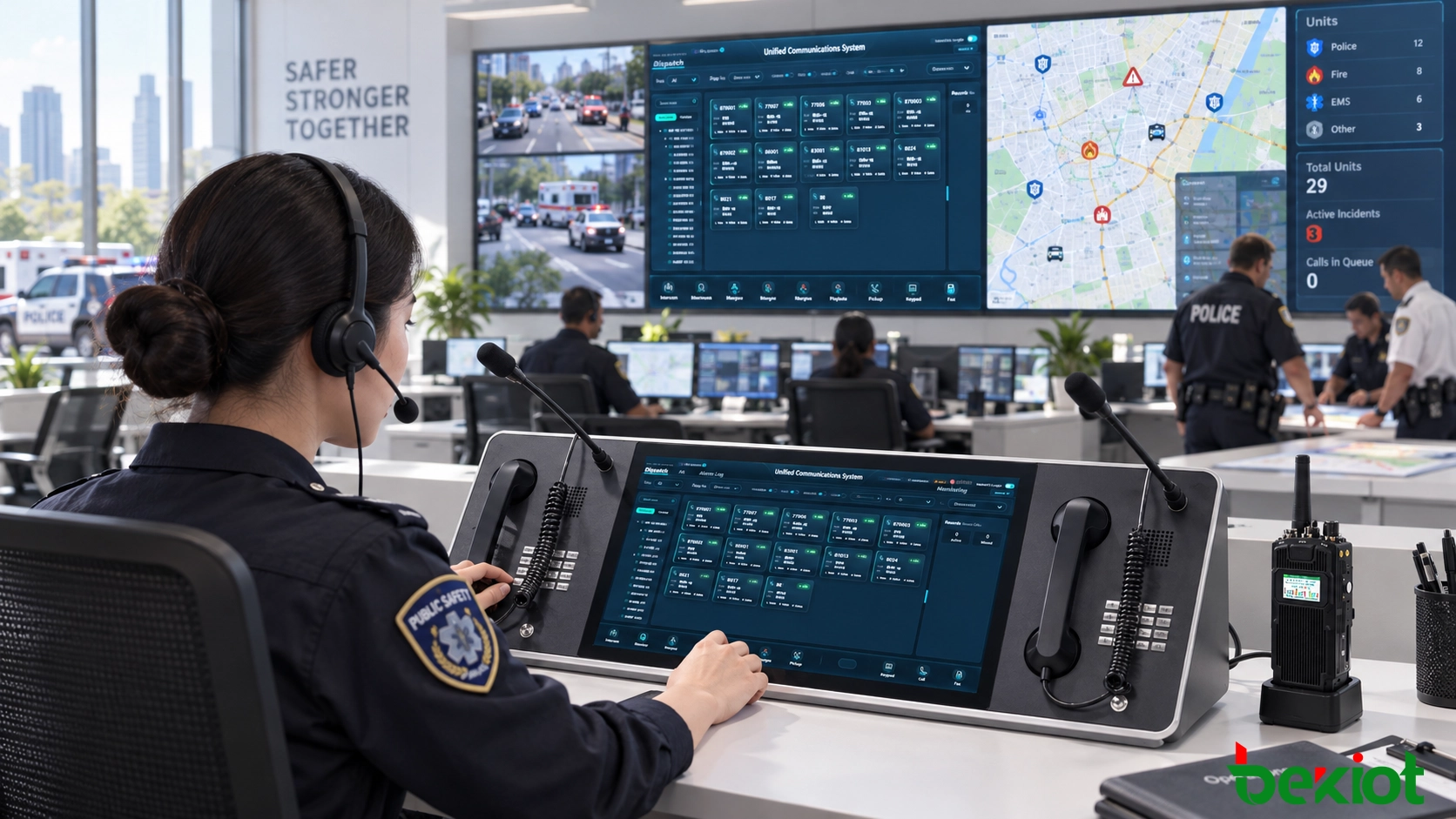
公共安全與緊急應變機構需要協調使用不同專業無線電系統、控制室電話及臨時現場通信資源的團隊。明確的群組訪問權限和跨網路通信路徑可支援指揮崗位與應變單位之間的通信。在多機構協同作業中,重點是保持清晰的通信權限,並在不向所有參與者公開各機構完整網路的情況下,聯絡到相關群組.
公共安全

石油與天然氣裝置、管道設施、海上平台及發電場站需要確保控制室與在遠端或危險設備周圍作業的人員之間保持可靠聯絡。固定式工業電話提供明確的呼叫點;經認證的危險區域終端及專業無線電系統支援移動作業團隊。備用通信方案及區域化警報流程應根據運行區域、訪問限制以及通信路徑中斷所造成的影響進行選擇.

能源

鐵路、地鐵、隧道及港口的通信服務需要覆蓋車站、線路及維護地點。控制室可能需要透過不同渠道聯絡車站操作員、線路作業團隊,以及使用緊急求助點的乘客。因此,現場設計應重點考慮通信線路覆蓋、固定安全點的可靠聯絡,以及遠端鏈路或中央連接中斷時仍可使用的本地通信方式.

交通運輸

製造及加工設施需要在嘈雜的車間、室外設備區域及分散建築之間傳遞清晰易懂的指令。工業電話、指定無線電群組及分區公共廣播設備分別適應不同的聲學及工作條件。緊急程序將報告故障的人員與負責處置的主管及應變團隊連接起來,同時在實際使用位置檢查揚聲器的語音清晰度及終端的可操作性。


工業

客服 電話
We use cookie to improve your online experience. By continuing to browse this website, you agree to our use of cookie.

Cookies

This Cookie Policy explains how we use cookies and similar technologies when you access or use our website and related services. Please read this Policy together with our Terms and Conditions and Privacy Policy so that you understand how we collect, use, and protect information.

By continuing to access or use our Services, you acknowledge that cookies and similar technologies may be used as described in this Policy, subject to applicable law and your available choices.

Updates to This Cookie Policy

We may revise this Cookie Policy from time to time to reflect changes in legal requirements, technology, or our business practices. When we make updates, the revised version will be posted on this page and will become effective from the date of publication unless otherwise required by law.

Where required, we will provide additional notice or request your consent before applying material changes that affect your rights or choices.

What Are Cookies?

Cookies are small text files placed on your device when you visit a website or interact with certain online content. They help websites recognize your browser or device, remember your preferences, support essential functionality, and improve the overall user experience.

In this Cookie Policy, the term “cookies” also includes similar technologies such as pixels, tags, web beacons, and other tracking tools that perform comparable functions.

Why We Use Cookies

We use cookies to help our website function properly, remember user preferences, enhance website performance, understand how visitors interact with our pages, and support security, analytics, and marketing activities where permitted by law.

We use cookies to keep our website functional, secure, efficient, and more relevant to your browsing experience.

Categories of Cookies We Use

Strictly Necessary Cookies

These cookies are essential for the operation of the website and cannot be disabled in our systems where they are required to provide the service you request. They are typically set in response to actions such as setting privacy preferences, signing in, or submitting forms.

Without these cookies, certain parts of the website may not function correctly.

Functional Cookies

Functional cookies enable enhanced features and personalization, such as remembering your preferences, language settings, or previously selected options. These cookies may be set by us or by third-party providers whose services are integrated into our website.

If you disable these cookies, some services or features may not work as intended.

Performance and Analytics Cookies

These cookies help us understand how visitors use our website by collecting information such as traffic sources, page visits, navigation behavior, and general interaction patterns. In many cases, this information is aggregated and does not directly identify individual users.

We use this information to improve website performance, usability, and content relevance.

Targeting and Advertising Cookies

These cookies may be placed by our advertising or marketing partners to help deliver more relevant ads and measure the effectiveness of campaigns. They may use information about your browsing activity across different websites and services to build a profile of your interests.

These cookies generally do not store directly identifying personal information, but they may identify your browser or device.

First-Party and Third-Party Cookies

Some cookies are set directly by our website and are referred to as first-party cookies. Other cookies are set by third-party services, such as analytics providers, embedded content providers, or advertising partners, and are referred to as third-party cookies.

Third-party providers may use their own cookies in accordance with their own privacy and cookie policies.

Information Collected Through Cookies

Depending on the type of cookie used, the information collected may include browser type, device type, IP address, referring website, pages viewed, time spent on pages, clickstream behavior, and general usage patterns.

This information helps us maintain the website, improve performance, enhance security, and provide a better user experience.

Your Cookie Choices

You can control or disable cookies through your browser settings and, where available, through our cookie consent or preference management tools. Depending on your location, you may also have the right to accept or reject certain categories of cookies, especially those used for analytics, personalization, or advertising purposes.

Please note that blocking or deleting certain cookies may affect the availability, functionality, or performance of some parts of the website.

Restricting cookies may limit certain features and reduce the quality of your experience on the website.

Cookies in Mobile Applications

Where our mobile applications use cookie-like technologies, they are generally limited to those required for core functionality, security, and service delivery. Disabling these essential technologies may affect the normal operation of the application.

We do not use essential mobile application cookies to store unnecessary personal information.

How to Manage Cookies

Most web browsers allow you to manage cookies through browser settings. You can usually choose to block, delete, or receive alerts before cookies are stored. Because browser controls vary, please refer to your browser provider’s support documentation for details on how to manage cookie settings.

Contact Us

If you have any questions about this Cookie Policy or our use of cookies and similar technologies, please contact us at support@becke.cc .